
World News
About 1,800 people pulled a castle keep a little over two metres at the weekend, on rollers, using a relocation method older than the building
By Staff Writer | 25 August 2026
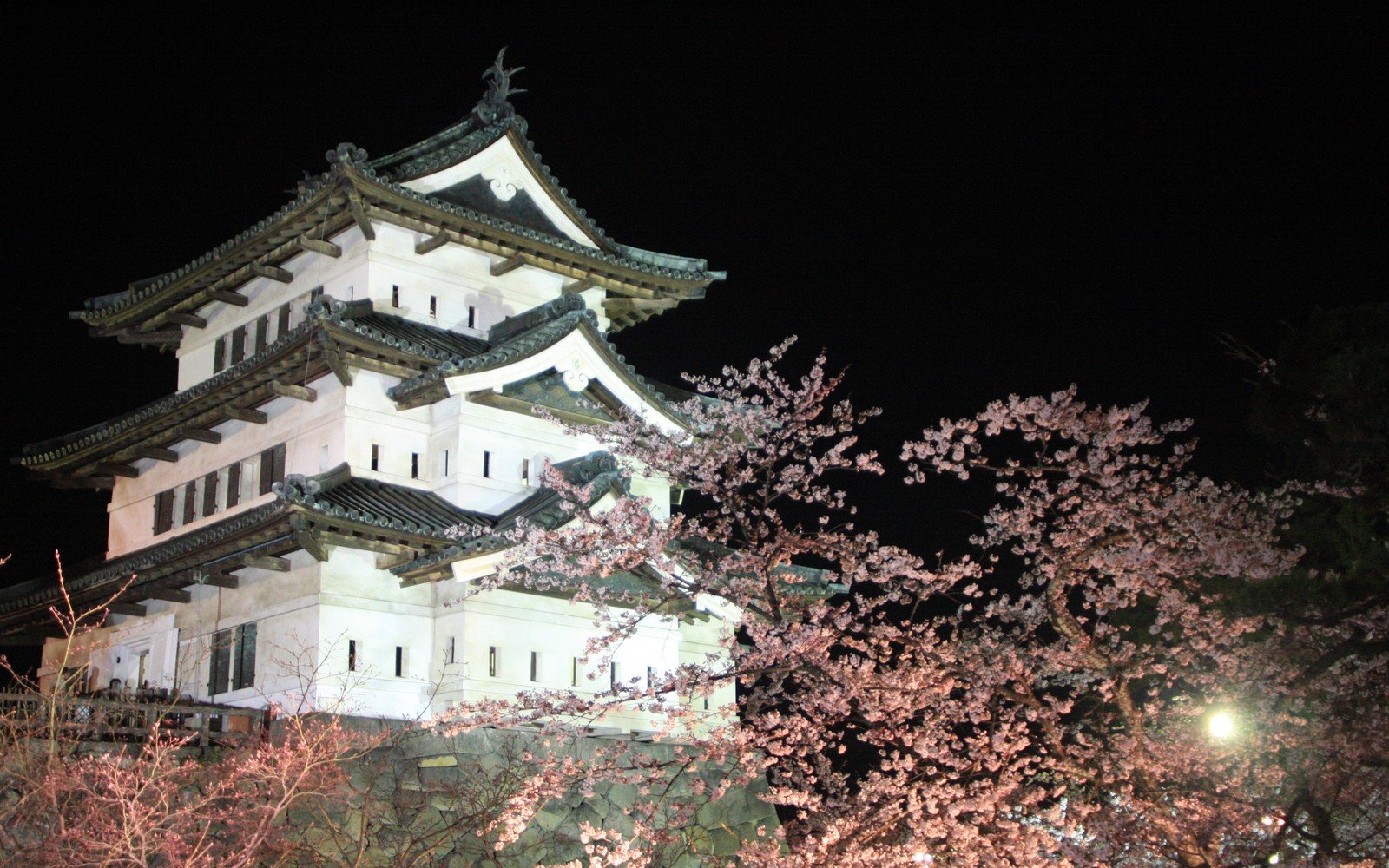
The keep of Hirosaki Castle in Aomori prefecture is being put back on the base it was lifted off in 2015, so that the stone wall carrying it could be taken down and rebuilt. The last five metres are being pulled by hand. The remaining seventy three will be done by machine before the year ends.
About 1,800 people took hold of ropes in northern Japan over the weekend and pulled a castle keep a little more than two metres closer to where it used to stand. The building moved 1.13 metres on the Saturday and a further 1.09 metres on the Sunday, hauled in rotating teams of eighty on thirty metre ropes.
The keep is the main tower of Hirosaki Castle in Aomori prefecture. It was lifted off its base in 2015 so that the stone wall carrying it could be taken down and rebuilt. That work finished in December 2024, with all 2,185 stones put back in the positions they came from. The building is now being returned across the same ground.
It is not being dismantled to make the journey. The method is hikiya, in which a building is raised, set on rollers or rails and moved whole.
Because the keep is a nationally designated important cultural property, we didn't take it apart. We're using hikiya, a building-relocation method that has existed in Japan since ancient times.
Kensuke Hayasaka, head of the parks and green spaces division at Hirosaki City
The hand pulling is the small part of the distance
Pulling by hand continues to the end of August. About 4,100 people are scheduled to take part in all, and between them they will move the keep five metres. The remaining seventy three metres or so will be done with machinery, and the building is due to be back on its base by the end of the year. Seventy eight metres is the whole journey.
The public sessions were heavily oversubscribed, and the people who pulled did not all come from the city.
We had about 8,000 applications for the 1,800 slots over the last two days, roughly four times oversubscribed, so not everyone could participate.
Kensuke Hayasaka, head of the parks and green spaces division at Hirosaki City
The 2015 lift was itself the first hikiya driven by members of the public, and the first time the method had been used in any form to move a castle for a century. One point cannot be settled from what has been published: the weight of the keep is given as 360 tonnes in one account of the weekend and as 400 tonnes in another, and the two do not reconcile.
What is on the rollers
Hirosaki Castle was completed in 1611 as the seat of the Tsugaru clan. The original keep burned down in 1627, after a lightning strike set off a store of gunpowder, and the structure standing today was rebuilt in 1810. It is one of twelve original keeps left in Japan and the only one in the Tohoku region. The park around it draws about two million visitors a year in the cherry blossom season.
The building has been off its base since 2015, and it is not expected to be open to visitors again until 2033.
That is the figure worth sitting with. The move itself is a weekend of rope work and a few weeks of jacking. The programme around it runs to eighteen years, because the wall had to come down stone by stone and go back the same way, and because the preservation work on the building only starts once the building is back where it belongs.
Once it's back on the original base, the preservation work on the keep begins and the whole structure will be covered over. As things stand, we expect it to reopen to visitors in 2033.
Kensuke Hayasaka, head of the parks and green spaces division at Hirosaki City
Anyone who has moved a listed structure knows the arithmetic. The heavy lift is the photograph. The years go on the substructure nobody sees, and on the paperwork that says every stone went back where it came from.