
UK Construction and Law
An unwritten building contract still carries the statutory payment rules, and without a pay less notice the invoices cannot be disputed
By Staff Writer | 25 August 2026
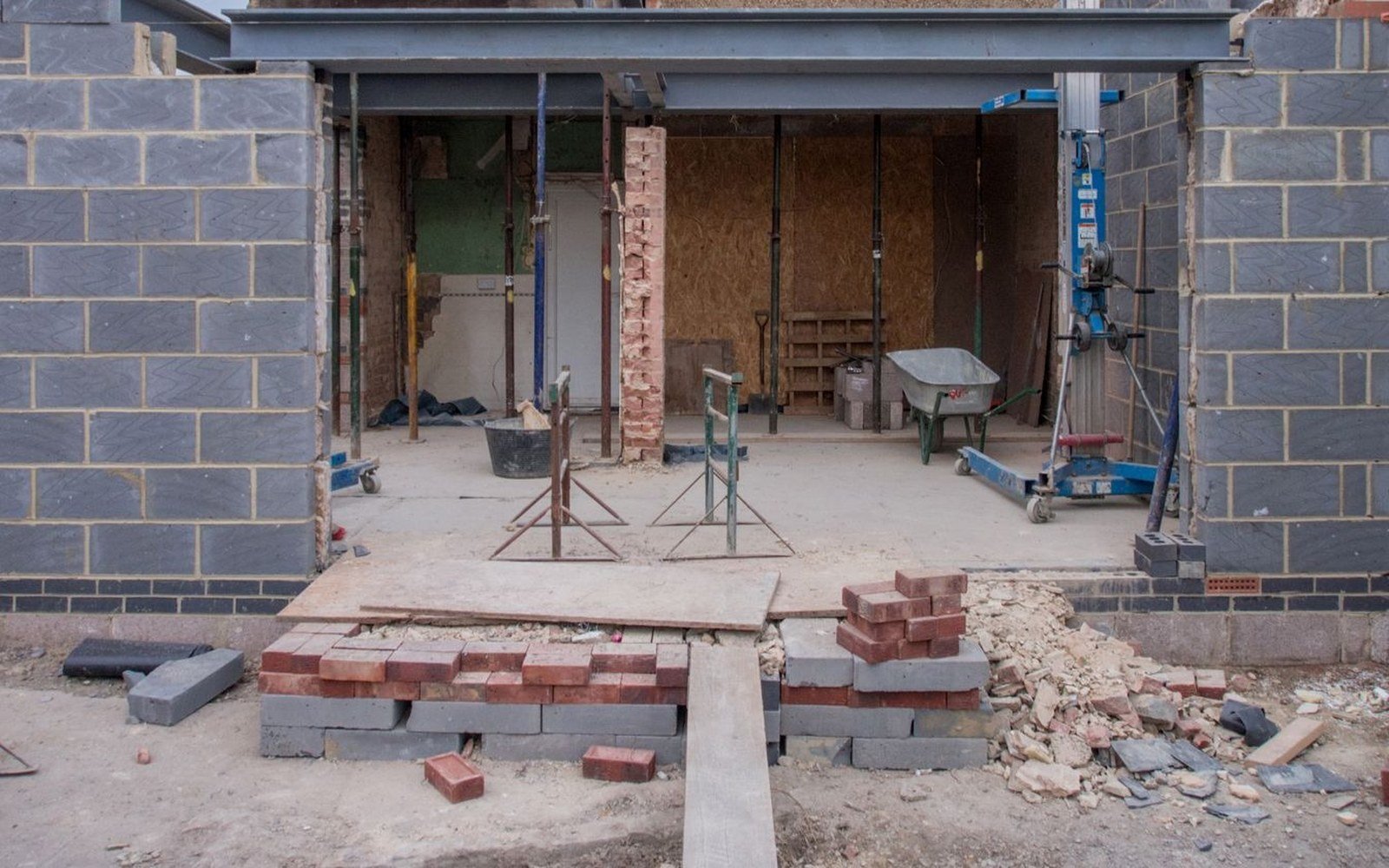
A householder company that had paid thirty invoices refused the last four, then tried to restrain advertisement of a winding up petition on the ground that the sums were genuinely disputed. The court held that the Construction Act applied to the parties' oral arrangement, that no pay less notice had been served, and that the argument was therefore not open at all.
The parties fell out over the redevelopment of a house in Hessle. No written contract was entered into. What they had was an elemental breakdown of the works agreed in the sum of 367,246 pounds plus value added tax, which the contractor treated as a working estimate to be added to as further work was agreed, and which the owner treated as the ceiling of its liability for the whole job. No payment terms were agreed either, beyond the owner's assertion that invoices would not be paid until the work had been inspected.
Thirty invoices were raised and paid. On 16 December 2025 the contractor raised invoices 31 to 34, totalling 27,341.80 pounds. They were not paid. A statutory demand followed on 24 December 2025, was reissued on 8 February 2026 because it named the wrong company, and a petition was presented on 11 March 2026. The owner applied under rule 7.24 of the Insolvency Rules to restrain advertisement and to strike out the petition, advancing set off claims put at 83,361 pounds and a defects claim supported by a quotation for remedial work.
The Act applies whether or not anyone wrote it down
The court dealt with the invoices first, and shortly. It was not realistically suggested that the Construction Act did not apply to this arrangement, and once it applies the consequence follows automatically.
where an invoice is presented the paying party must serve a Pay Less notice if it wishes to dispute the payments due
His Honour Judge Richard Carter, in the Insolvency and Companies List in Leeds
Because no such notice had been served, the judge held that there was no genuine dispute about the invoices and that he did not need to examine any of the individual items the owner challenged. That is the point worth carrying away. An oral contract for construction operations is still a construction contract, the payment provisions are supplied by statute where the parties have agreed none, and a paying party who lets the notice dates go by has no answer to the sum in the invoice, whatever the merits of its complaints.
The cross claim, and why it failed
The owner's fallback was a cross claim for defective work, which if genuine and larger than the petition debt would have been enough. The judge approached it with scepticism, having already found that the company had put an unmeritorious argument before the court, and dismantled it on the documents. The report relied on identified 25,936 pounds of corrective works and included drainage that fell outside the contracted scope. No complaint, no requirement to remedy and no pay less notice had been raised until the disputed invoices, although the alleged defects were said to have been apparent a year earlier. Further reports were served days before the hearing, were not compliant with Part 35, and permission to rely on them was refused. One complaint, about extension flooring, was contradicted by a building inspector's report recording the work as satisfactorily completed after the date of the report alleging the defect.
There was a further wrinkle. In April the parties had signed a consent order recording their agreement that there was a genuine dispute, and staying the proceedings for alternative dispute resolution on costs. The owner leaned on it as an admission. The judge held that it was not a binding compromise of the petition, and that he could give it only limited weight because he did not know what other side agreements the parties had reached. Anyone drafting a stay of this kind should assume the recital will be read that way.
What this means on site
The application was dismissed, so the petition may proceed. For a contractor working without written terms, the case is a reminder that the statutory scheme is doing the work the contract does not. For a paying party, the sequence is unforgiving: serve the pay less notice inside the period, in the right form, or lose the right to argue about the sum. Complaints raised for the first time when the petition arrives are examined against the contemporaneous documents, and the absence of any earlier written objection is what sank this one.