
UK Construction and Law
Nine and a half billion pounds of the social homes programme is allocated to 33 strategic partners outside London
By Staff Writer | 25 August 2026
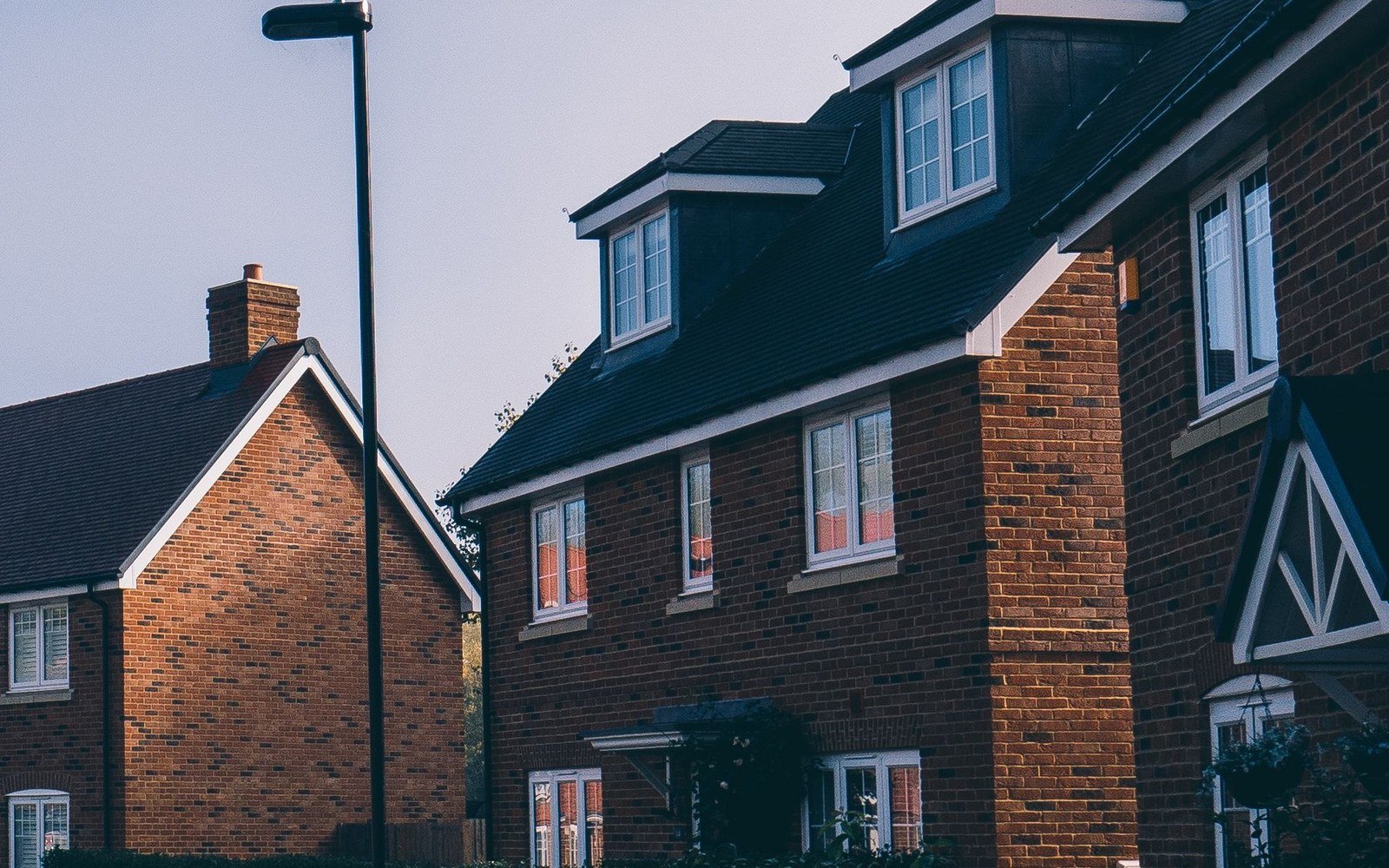
The first wave of the ten year, 39 billion pound Social and Affordable Homes Programme puts 9.58 billion pounds behind 73,600 homes in England outside London. Councils take strategic partner status alongside housing associations, more than 16 billion pounds is still to be allocated outside the capital, and the target is that at least 60 per cent of what the programme delivers is for social rent.
The first allocations under the Social and Affordable Homes Programme were published on Monday for release today, and they are the largest single commitment of grant to social housing in England for a generation. The programme itself is 39 billion pounds over ten years. What has been allocated now is 9.58 billion pounds, to 33 strategic partners outside London, supporting the delivery of 73,600 social and affordable homes across England over the life of the programme.
The partners are councils, housing associations and other providers that have taken long term funding certainty in return for delivering at scale. The change worth reading twice is that councils are being given strategic partner status with the national housing agency alongside housing associations, which puts a local authority development team on the same footing as a large registered provider for the purposes of the programme.
Nearly two thirds of the homes delivered through these partnerships are expected to be for social rent, against a programme wide target of at least 60 per cent.
Where the money lands
Over 2 billion pounds of the funding announced is expected to be spent in mayoral areas outside London, with established mayoral strategic authorities setting the strategic direction for the programme in their areas. More than 16 billion pounds remains to be allocated outside London, and the department has said it intends to prioritise social rent homes and council housebuilding when it allocates it. London is dealt with separately: the Greater London Authority intends to offer at least 6 billion pounds through the programme, with councils expected to deliver more than half of the homes funded in the capital.
Two smaller numbers matter to anyone planning a pipeline. Councils received 1.61 billion pounds in Right to Buy sales in 2025/26 and can now retain all of it for reinvestment in new social and affordable homes. And 46 million pounds is being put in over three years to build council capacity, funding early stage development work, an advisory service run through the local government body, and an expansion of a graduate scheme aimed at surveying and other specialist housebuilding roles.
What the promoters and the providers said
The release is published under the names of the Prime Minister and the Secretary of State, and the argument it makes is about temporary accommodation. Almost 180,000 children are recorded as growing up without a permanent home.
No child should be raised in a hostel room and no family should wait ten years for a front door of their own.
Andy Burnham, Prime Minister
Amy Rees, Chief Executive Officer at Homes England, said that today's announcement marks an important step in delivering the government's 39 billion pound Social and Affordable Homes Programme, and pointed to the agency's wider investment including through the National Housing Bank. The chief executive of the housing association trade body called the confirmation of the funding a vote of confidence in not for profit providers, and the local government body's inclusive growth chair said councils should stay at the heart of delivery and keep sustained access to preferential borrowing rates to support viability.
What to do about it now
Grant of this size lands on a market that has spent three years repricing. Three practical points follow. First, a strategic partnership is a ten year relationship rather than a scheme by scheme bid, so contractors and consultants working with the 33 should expect framework style procurement rather than one off tenders. Second, section 106 agreements remain in place as a route to affordable housing alongside grant, so a scheme is not relieved of its planning obligations because the programme exists. Third, the balance of more than 16 billion pounds is the number to watch: the department has said it will favour social rent and council building when it allocates it, which is a different product mix from the shared ownership weighted programmes of the last decade.
The list of 33 partners is the document to read next, because it decides who is buying.