
Tech and AI
The first trial of a battlefield artificial intelligence deal is a buried cable listening for people walking towards a fence
By Staff Writer | 25 August 2026
Britain signed an artificial intelligence partnership with Ukraine in Kyiv on 24 August, becoming the first foreign country given access to a training database built from cameras and infrared sensors across the front. The first pilot has nothing to do with weapons.
The agreement was signed in Kyiv on 24 August and gives British researchers and companies access to the Avengers AI Labs database, which the government describes as real world data collected by thousands of daylight cameras and infrared sensors and used to train models to identify vehicles, artillery, air defence systems and aerial targets. In return Britain provides universities, researchers and companies to work on it. The agreement sits inside the wider hundred year partnership between the two states.
By combining Ukrainian battlefield data with British expertise, we will accelerate the development of capabilities that not only strengthen our national security but better protect our critical infrastructure and growth in every postcode here at home.
Andy Burnham, Prime Minister of the United Kingdom
The first pilot is a piece of ground engineering
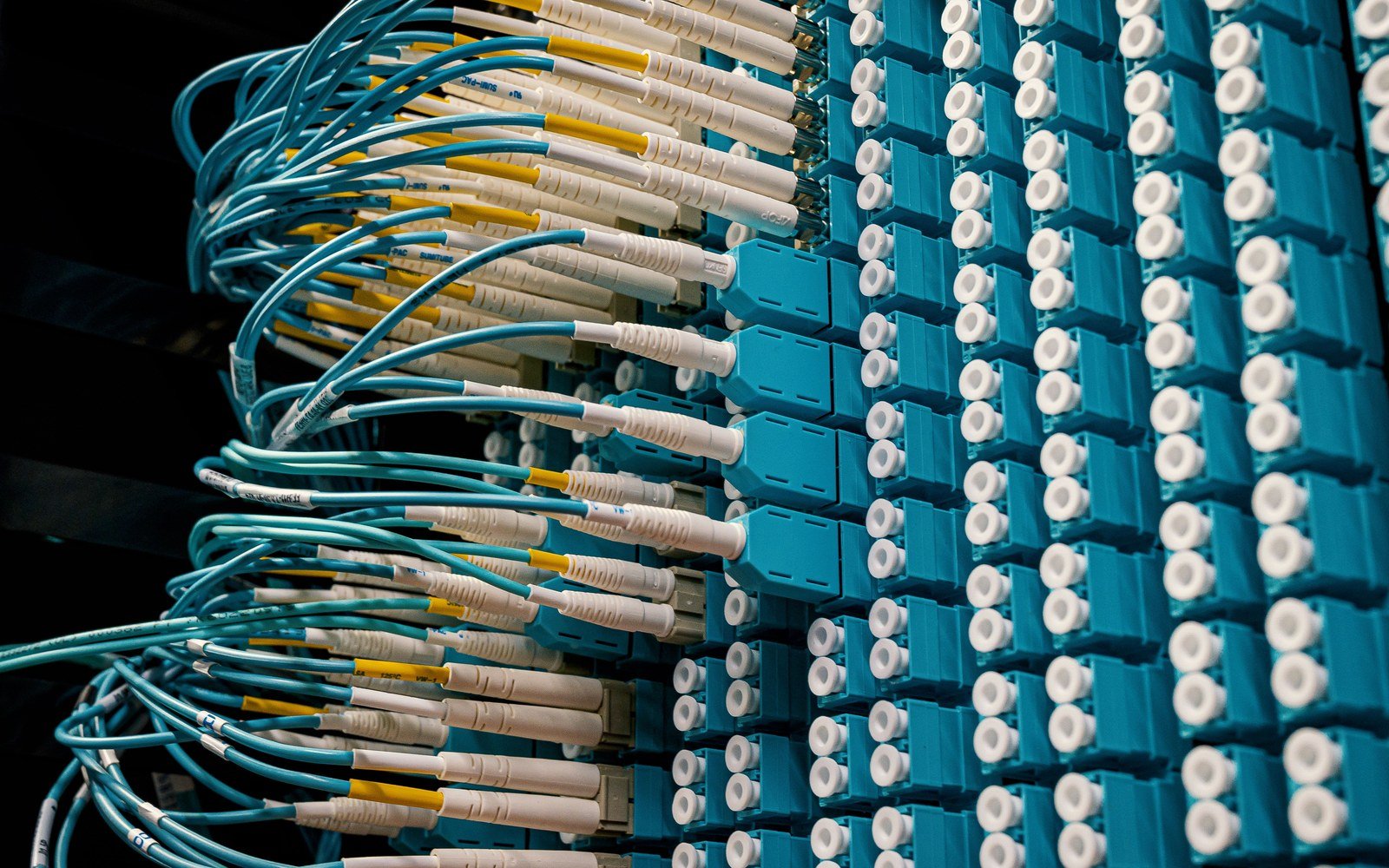
Two pilot projects are named. The first, and the one about to be installed at a British defence site, turns buried fibre optic cable into a single continuous sensor, using Ukrainian data and British technology to tell one kind of movement from another. The stated purpose is to detect people approaching a perimeter. The release says the same technique could later be applied to airports, prisons, railways and energy plants.
The second is research into low power artificial intelligence chips for drones, robotics and autonomous systems, aimed at machines that can run for longer and respond faster in conditions where conventional electronics struggle.
Three companies are named as taking part in the initial trials: one in Bristol, one in Oxford and one in London. The Defence Secretary said Ukraine is pushing the frontier of defence innovation and that Britain will keep working with it on equipment, training and joint development.
A cable that is already in the ground is the cheapest sensor anybody owns. Nothing has to be dug, nothing has to be powered along its length, and the asset owner has usually forgotten it is there.
Why this lands on a construction desk
Because the four asset classes named in that release are all things this industry builds and maintains, and because the technique changes what a perimeter specification looks like. Distributed sensing along an existing fibre route removes the need for a line of posts, cameras, power runs and the civils that go with them. On a live estate it also means the security system and the telecoms system stop being separate packages with separate contractors.
There are consequences worth thinking about early. A buried cable used as a sensor becomes safety related equipment, which affects who may work near it, how it is recorded on drawings and what happens when a third party puts a digger through it. Existing wayleaves and duct sharing agreements were written for carrying traffic, not for monitoring the ground, and the party that owns the fibre may not be the party that wants the data. On a rail or airport estate, that is three organisations before anyone has switched anything on.
None of this is on the market yet. What has happened is that a state to state agreement has been signed, a first installation is imminent, and the government has publicly named the civil uses it has in mind. The specification questions arrive before the product does.