
Tech and AI
Singapore hands out data centre capacity in megawatts rather than square metres, and attaches conditions to every one
By Staff Writer | 24 August 2026
Two Singapore agencies have provisionally allocated 200MW between four operators, 50MW each, from more than twenty proposals. The award carries obligations on green supply, on cooling and on the equipment inside the halls, and every successful site goes on the same island.
Singapore's economic development agency and its infocomm media authority have provisionally allocated 200 megawatts of new data centre capacity, announced in a joint statement on 21 August. Four operators take 50 megawatts each: Digital Realty, Equinix, Keppel Data Centres and ST Telemedia Global Data Centres. The exercise that produced them, the second call for applications of its kind, opened on 1 December 2025 and drew more than twenty proposals from local and international bidders.
What is being awarded is electrical capacity. Not a site, not a floor area, not a planning consent. In a market that has rationed data centre growth since 2019, the megawatt is the scarce commodity and the state is the party that issues it.
As a Singapore-grown and headquartered company, we are deeply honoured to be selected under DC-CFA2. We recognise the privilege and responsibility that come with being entrusted to develop critical digital infrastructure and we are committed to using Singapore's precious land, energy and water resources prudently to deliver meaningful and lasting value for the country.
Bruno Lopez, President and Group Chief Executive Officer, ST Telemedia Global Data Centres
The conditions attached
The four have committed to go beyond the minimum sustainability requirements set for the exercise, and to draw more than half of their capacity from green energy. They have also undertaken to adopt liquid cooling and to fit energy efficient equipment throughout, which is an obligation reaching past the building envelope and into the racks a tenant would normally choose for itself.
An allocation conditioned on cooling technology and on the efficiency of the equipment installed inside is a specification, not a consent. It has to be written into the development agreement, the fit-out packages and the operating covenants, and someone has to be answerable if the installed plant does not meet it.
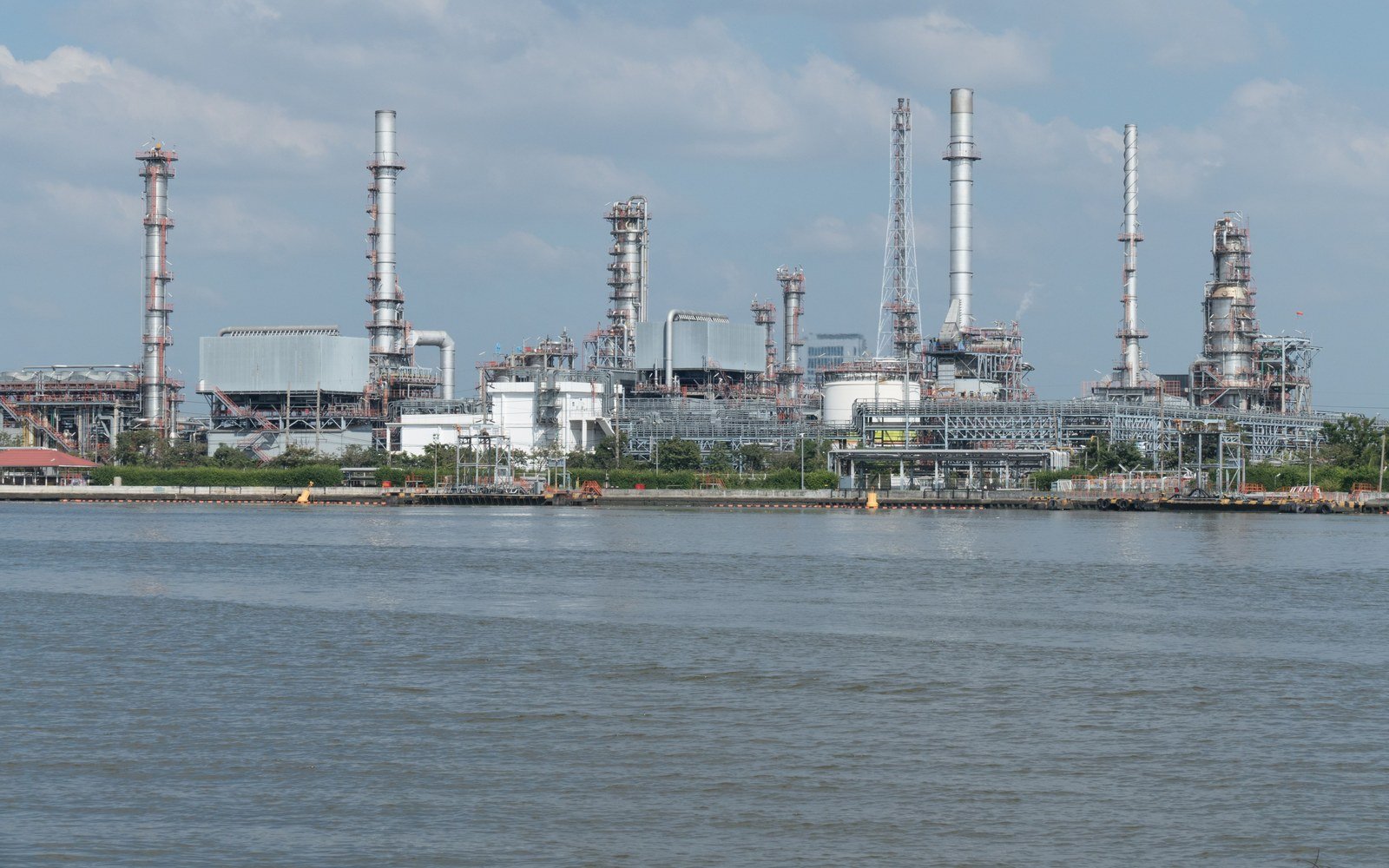
All four sites go on Jurong Island, the reclaimed island south west of the main island that has long carried the country's refining, chemicals and energy industry. The state industrial landlord is building a low carbon data centre park there, on the reasoning that a data hall sited among process plant can share the low carbon supply being developed for its neighbours. Development timetables for the four schemes were not published, and the agencies did not set out what each operator intends to build.
How much is actually being released
The restraint on new development dates from 2019, and it has been eased rather than lifted. A first call in 2023 released 80 megawatts between Equinix, GDS, Microsoft and a consortium of AirTrunk and the owner of TikTok. This round is two and a half times that, and it is the second release in seven years.
The four winners are established there already. Equinix runs five facilities in Singapore, Digital Realty three, ST Telemedia Global Data Centres nine and Keppel Data Centres six. The agencies said they will keep talking to the industry and will look again at whether a further call is needed in eighteen to twenty four months.
Why this is worth watching from outside Singapore
Because it is a working answer to a question several markets are now asking out loud. Where grid capacity is finite and public opinion is engaged, a government has three broad options: refuse everything, approve on planning grounds alone and let the grid absorb the consequence, or auction a fixed quantity of power against published conditions. Singapore has taken the third and has now run it twice.
For anyone advising on schemes of this kind, the practical point is where the risk sits. An allocation that is provisional, conditional on performance commitments and confined to one location changes the shape of a development agreement. Conditions of that sort survive completion, and they need an owner, a measurement method and a consequence for failure written down before the first concrete is poured. A promise made in a bid document and never carried into the building contract is a promise nobody can enforce.
The other point is timing. Eighteen to twenty four months before the next review is a long horizon for an operator holding land and no power, and a short one for a state deciding how much more of its generation it is prepared to hand to a single industry.