
World News
Eleven Nepali hydropower projects are wrecked and 942 people are unaccounted for
By Staff Writer | 6 September 2026
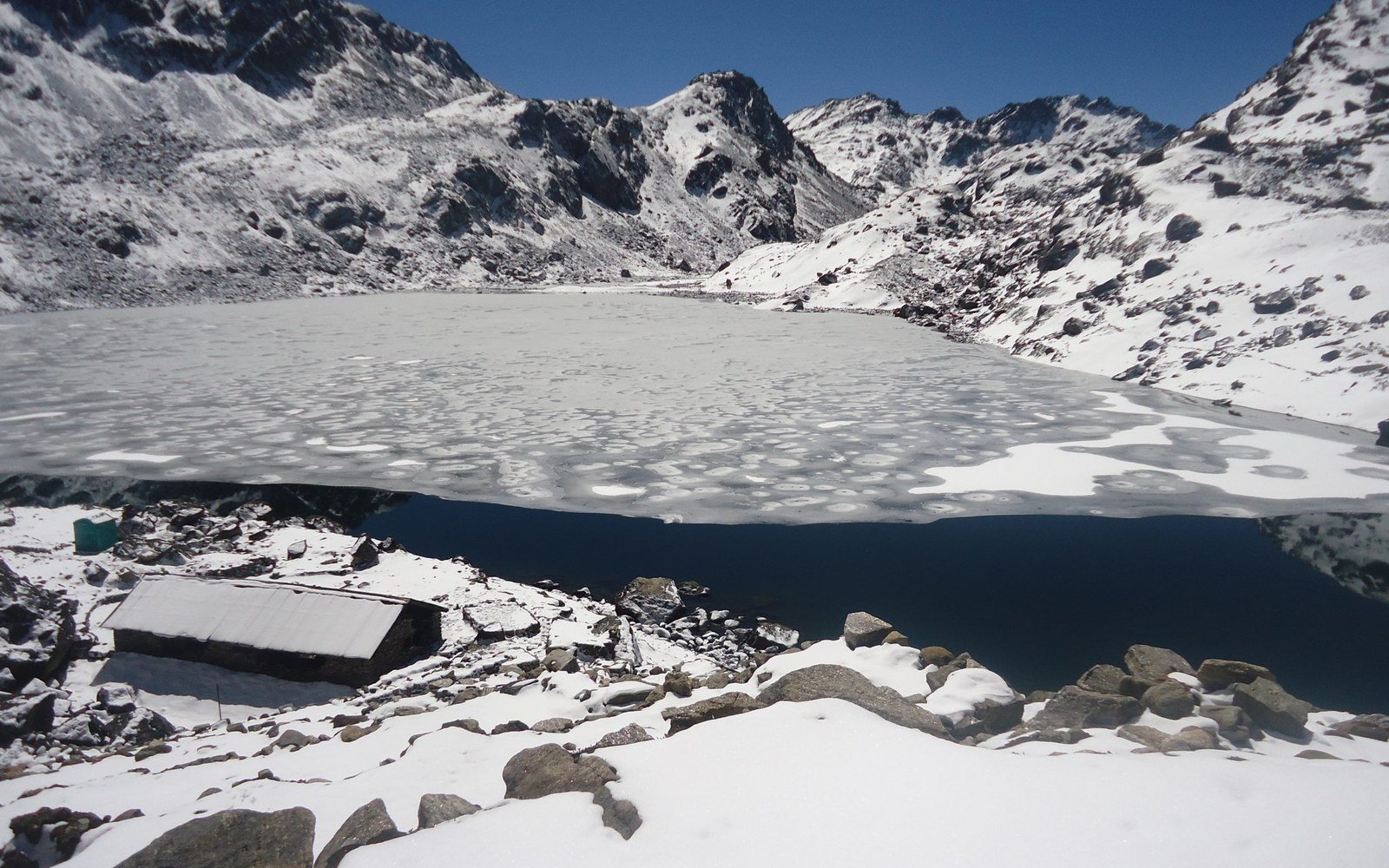
Ten days after the flood came down the Bhotekoshi, rescue teams are still clearing tunnels by hand because the roads that would carry an excavator no longer exist. The national death toll reached 1,342 on Friday.
The flood that came down the Bhotekoshi river on 26 August has damaged 11 hydropower projects and a solar plant, and 942 people, including project workers, remain unaccounted for, according to the project operators and industry officials. The national death toll reached 1,342 on Friday 5 September. The damaged sites are Upper Trishuli-1, Upper Trishuli-3A, Upper Trishuli-3B, Langtang Khola, Trishuli, Devighat, Mailung Khola, Chilime and Rasuwagadhi, together with Trishuli Ganga, Rasuwa Bhotekoshi and the Nuwakot solar plant.
The largest number is at Upper Trishuli-1, a 216 megawatt scheme where the developer says 557 people remain unaccounted for. There were 1,433 people at the site before the flood and 876 had been rescued by Thursday. The company estimates that 115 may be trapped inside the main tunnel and the dam area. South Korean rescuers are working there alongside Nepali teams, with drone operators, specialist cameras and dogs. Nine South Korean nationals working for the developer are among the missing.
The problem is the access, not the will
What stands out from the operators' own accounts is how much of the work is being done without plant. At the 22 megawatt Chilime project, about 90 metres of the main access tunnel has been filled with mud and water and has been cleared by hand for three days by a team of eight, including the plant manager, with Nepali and Indian army personnel. Excavators, pumps and generators cannot reach the site because the roads have gone, so equipment has to go in by helicopter. The company has a three tonne excavator dismantled and waiting at Battar and has not been able to move it.
We have no road to bring the equipment in. It would be much faster with machinery.
Babu Raja Maharjan, managing director, Chilime Hydropower
At the 111 megawatt Rasuwagadhi project, where 93 people are unaccounted for, the underground power house at Timure and Tatopani Danda cannot be reached by road at all. Generators and pumps have been taken as far as Dhunche, and weather has kept them there.
We have been defeated by the terrain itself. The route to the power house through the tunnel is blocked by mud and rocks. It cannot be cleared by people alone.
Narnath Neupane, company secretary, Rasuwagadhi Hydropower
What is left of the works
At the 20 megawatt Langtang Khola project, the powerhouse, camp and other surface structures were swept away. The developer, Bijay Mohan Bhattarai, said everything on the surface had gone and no structure was left, and that power to the site failed two or three minutes before the flood arrived, which leaves open the possibility that workers inside the tunnel got out. At the 24 megawatt Trishuli project, the station chief Pradip Singh said only the foundation was visible and nothing else remained. At the 14.1 megawatt Devighat project the powerhouse has been buried, about a kilometre of the water conveyance canal has been damaged and the switchyard has been buried as well.
The river is now flowing through our powerhouse.
Lila Aryal, company secretary, Upper Trishuli-3B
At Upper Trishuli-3B, where 191 people are unaccounted for, three small excavators are being used to clear an adit because a larger machine cannot be brought in, and equipment is being moved across from the neighbouring 3A project. At Upper Trishuli-3A itself, a seven member team from the Armed Police Force crawled through mud and debris to reach the interior of the tunnel, brought out two people alive and recovered one body. Thirty nine people from that project remain unaccounted for.
The rebuild ahead
The national infrastructure count stands at about 55 kilometres of road completely destroyed, 33 motorable bridges and 68 suspension bridges gone, 7,570 private houses destroyed, and 48 government buildings, 18 schools and seven health facilities damaged or destroyed. The road department has been cutting a temporary track around the landslide at Krishnabhir to reopen the Prithvi Highway, with about 50 metres opened so far, and is studying a tunnel, soil nailing and sheet piling as the longer answer.
Every one of these projects will end in a claim, and most of them in several. The heads are already visible from the reporting: physical damage and business interruption on the policies, force majeure and extension of time under the construction contracts, the tunnelling and access provisions where a temporary road has become the critical path, and the question of who carries the cost of plant that cannot be got to site. None of that is being argued yet. It will be, and the records being kept in the mud this week are the records those arguments will run on.