
World News
Centcom strikes three Iranian tankers after missiles are fired at two American warships
By Staff Writer | 6 September 2026
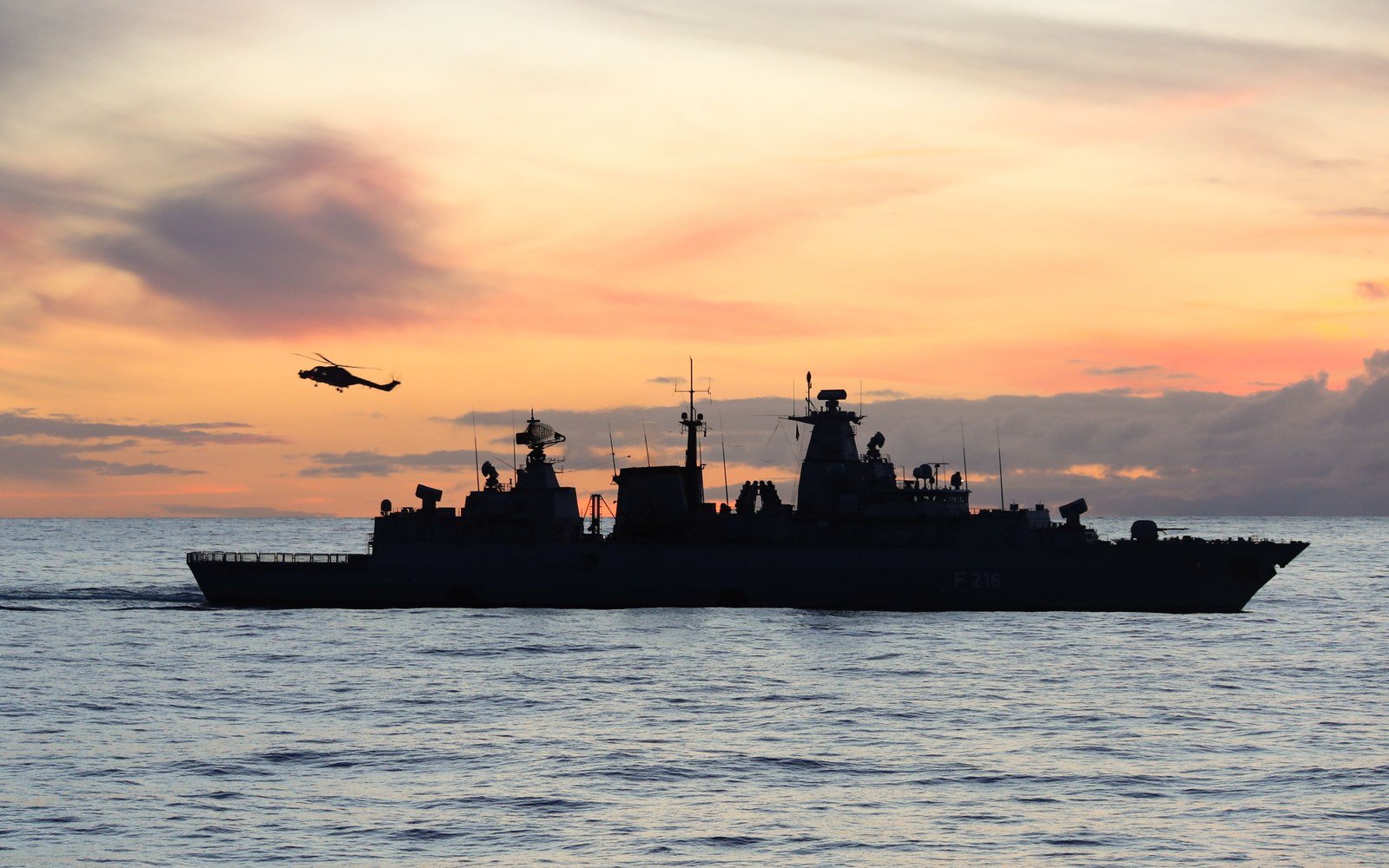
United States Central Command said it disabled two crude oil carriers and rendered a third inoperable on Saturday, after the Islamic Revolutionary Guard Corps fired ballistic missiles at two American naval vessels. One of the tankers was hit off Kharg Island, which handles about nine tenths of Iran's crude exports.
The exchange that ran through Saturday 5 September moved the confrontation in the Gulf from military installations to the ships that carry the oil. United States Central Command said its forces had struck three Iranian crude oil tankers, and that the strikes answered what it described as unprovoked attacks by the Islamic Revolutionary Guard Corps on two American naval vessels in regional waters. The command said an aircraft carrier and a guided missile destroyer had evaded several attacks during the day.
Central Command named the vessels. M/T Downy was struck off the coast of Kharg Island and M/T Stark 1 near Jask. A third carrier, M/T Kylo, also referred to as Noxen, was rendered inoperable in the Gulf of Oman after its crew were directed to abandon ship. The command said all three formed part of a shadow network, worth several billion dollars, that funds the Guard Corps and the armed groups it supports across the region.
We will not hesitate to defend American forces, and if necessary, destroy Iran's limited and exposed oil fleet.
Admiral Brad Cooper, Commander of United States Central Command
Admiral Cooper set out the arithmetic of the response in the same statement: two of its ships fired on, three of the other side's tankers taken out, with the cost imposed on the oil trade rather than on the Guard Corps directly. That is the command's own characterisation of what it did and why, and it is reported here as such.
Why Kharg Island is the pressure point
Kharg Island sits at the head of the Gulf and carries the terminal through which the overwhelming majority of Iranian crude reaches the water. It handles about 90 per cent of the country's crude exports. Its loading capacity is put at seven million barrels a day and its storage capacity at 30 million barrels. Before the present conflict, most shipments from the island went to customers in Asia, with about four fifths going to China.
Iranian crude exports are currently estimated at roughly 1.5 million to 1.8 million barrels a day. Sustained damage to the loading facilities at Kharg would remove most of that from the market, which is why the island's status is watched by shipowners, charterers and marine insurers rather than only by governments.
Iranian state broadcasters reported a strike on a tanker near Kharg Island earlier on Saturday, saying it had been hit by four missiles in the anchorage area, that no casualties were reported at first and that crew members were evacuated safely. A semi official Iranian news agency reported that several explosions had been heard in the area of the island and that no official information had been released about their cause or origin. Both are claims made by the parties reporting them, and neither has been independently established.
What it means for shipping
For anyone with cargo, tonnage or exposure in the Gulf, the practical change is that commercial vessels are now being treated by both sides as instruments of the confrontation rather than as bystanders to it. A tanker disabled at anchor is a total loss claim, a salvage operation, a pollution risk and a charterparty dispute at the same time, and the questions that follow it are contractual before they are political: who bears the delay, whose war risk cover responds, and whether the voyage was lawful when it began.
The Strait of Hormuz remains the narrow point through which that trade has to pass, and the naval activity around it has not eased. Shipowners routing through the Gulf are already paying for the risk in cover and in time, and Saturday's strikes will not have made either cheaper.
Wars end. The claims that come out of them are still being argued a decade later, and the paperwork written this week is what those arguments will turn on.