
World News
Chevron commits 7 billion dollars to double its Venezuelan output by 2031
By Staff Writer | 4 September 2026
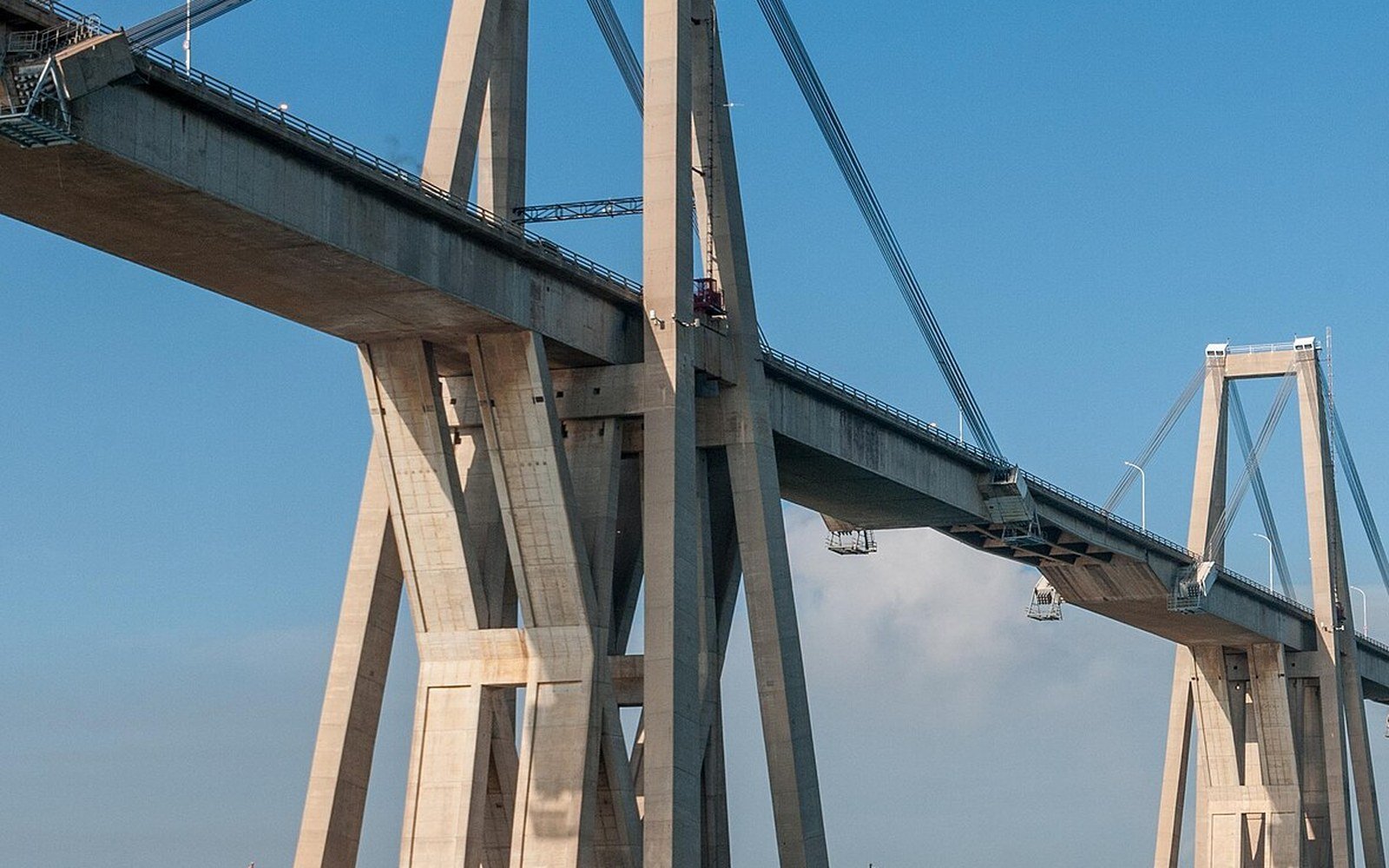
The company announced agreements with Venezuela on 2 September that reset the fiscal, commercial and legal terms of its three joint ventures and assign it two further areas in the Orinoco Belt. It says the ventures will invest more than 7 billion dollars over five years and reach about 600,000 barrels a day.
Chevron Corporation announced on 2 September agreements with Venezuela that establish updated terms for its joint ventures in the country, which the company says will support investment, project development and production growth. The agreements set out fiscal, commercial and legal terms that the company says are improved and intended to support durable and competitive long term investment, and assign the company additional acreage in the Orinoco Belt, where it already operates.
On the strength of those terms, the company says its ventures plan to invest more than 7 billion dollars over the next five years and to more than double production to approximately 600,000 barrels a day compared with 2026. It puts total costs at less than 20 dollars a barrel and describes the country as a platform for oil growth under what it calls its disciplined cash management model.
The acreage
Under the agreements the Petroindependencia joint venture, in which a Chevron subsidiary holds a 49 per cent interest, has been assigned the rights to develop the adjacent Carabobo-1 and Carabobo-2-South-A areas in the Orinoco Belt. The company describes them as greenfield sites that expand the venture's existing operational footprint, where it is increasing extra heavy oil production.
The assignment follows an agreement in April under which Chevron increased its working interest in Petroindependencia to 49 per cent and received the rights to develop the Ayacucho 8 area next to its Petropiar venture. Its third venture, Petroboscan, is in Zulia state in the west of the country. Collectively, the company says, the three have grown production by 15 per cent so far this year. Its presence in the country dates from 1923.
With improved terms and additional acreage, we are strengthening a portfolio that we believe can deliver attractive low-cost oil growth, support energy supply and create differentiated long-term value.
Mike Wirth, Chairman and Chief Executive Officer of Chevron
Mr Wirth said the expanded position reflected the company's confidence in the country's resource potential and its ability to compete for capital within the portfolio for decades. He also thanked the United States administration and in particular the Department of Energy and its Secretary, Chris Wright, for helping to bring about the conditions for further investment. Mr Wright had arrived in Caracas late on 1 September and the company's announcement was the first corporate step to follow the framework approved by Venezuela's National Assembly.
What the numbers are and are not
The 7 billion dollars is the joint ventures' planned investment, not a sum the company has committed alone, and the 600,000 barrels a day is a target against a 2026 base that the release does not state. The company's own forward looking statement lists changes in government policy, sanctions, fiscal terms and the ability of joint venture partners to fund their share among the factors that could move the outcome. Those caveats are the company's and belong beside the headline figure.
For contractors and consultants the practical signal is the greenfield word. Two undeveloped extra heavy oil areas next to an operating footprint means upgrading capacity, pipelines, power and camps, procured under terms that have just been rewritten. The agreements set the frame; the tenders will show what it is worth.
Chevron is the one major United States producer that stayed in the country through the nationalisation of the industry in 2007. Whether others follow is a question the company's release does not answer and this article does not guess at.