
Middle East Business
A Gulf gas supplier lifts liquid carbon dioxide capacity from 700 to 1,300 tonnes a day
By Staff Writer | 4 September 2026
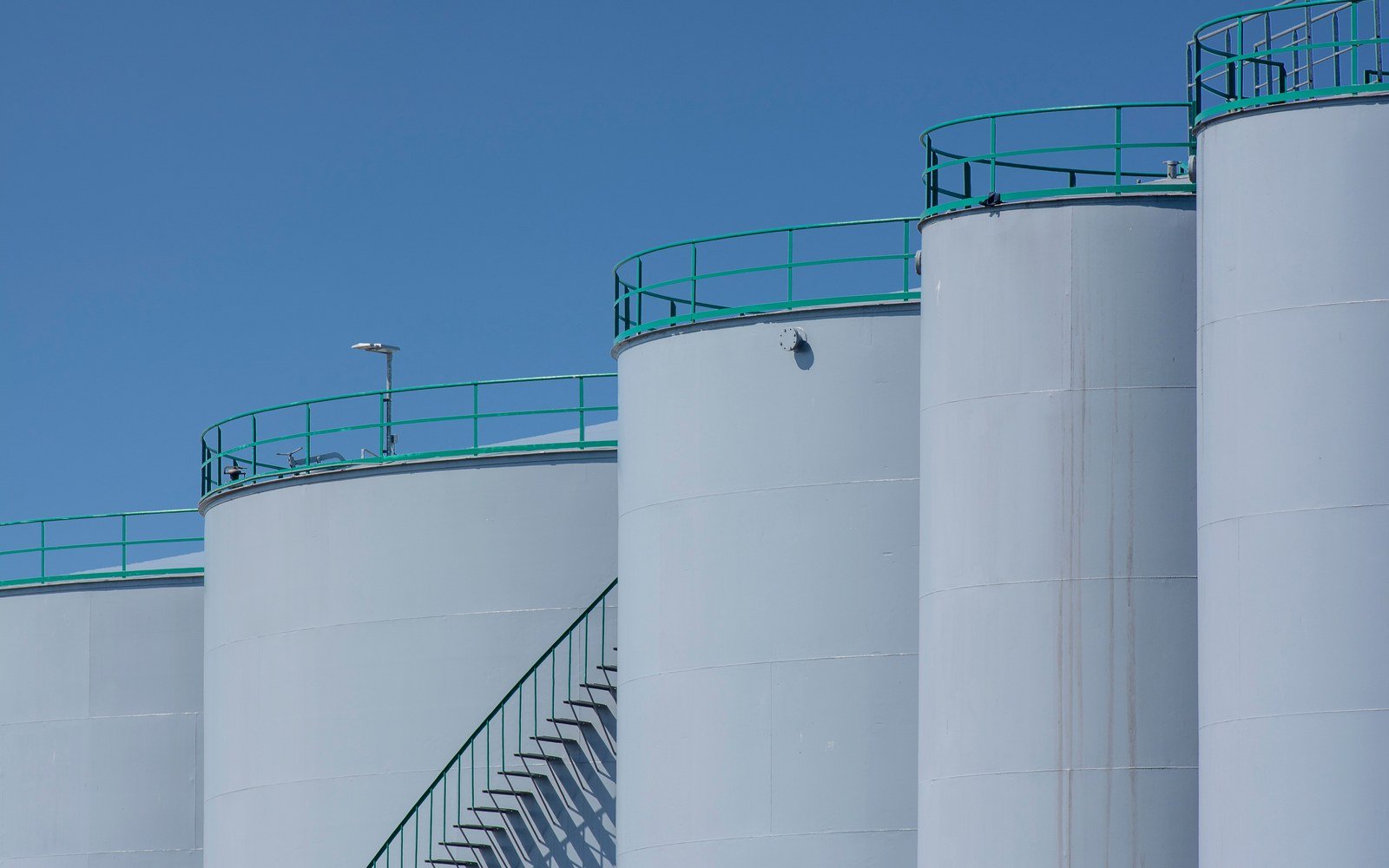
Gulf Cryo says carbon capture and recovery projects in the UAE, Saudi Arabia and Kuwait will nearly double its regional liquid CO2 output by the end of 2026, with 750 tonnes a day of further capacity held in reserve and the three hubs also supplying Qatar, Bahrain and Oman.
The industrial gases company announced on 3 September that its regional production capacity for liquid carbon dioxide is on track to rise from 700 metric tonnes a day to 1,300 by the end of this year. The company puts the new figure at more than 470,000 tonnes a year. The increase rests on a series of long term carbon capture and recovery projects in its three core markets, each of which will be served by its own local production.
By the end of 2026 capacity will stand at 200 tonnes a day in the UAE, 750 in Saudi Arabia and 350 in Kuwait, which the company translates as about 73,000, 274,000 and 128,000 tonnes a year. The three hubs are also to supply Qatar, Bahrain and Oman, in particular at times of peak demand, plant turnarounds or disruption upstream. Beyond the 1,300 tonnes a day secured for this year, Gulf Cryo says it can draw on a further 750 tonnes a day from existing regional facilities as demand requires, which would take available capacity past 2,000 tonnes a day, or about 750,000 tonnes a year.
We have built our CO2 supply capacity to meet local and regional demand today and secure future requirements. As the region's largest provider of liquid CO2, our strategy is to build strong local production capabilities while maintaining the flexibility and backup of our wider regional network.
Sami Huneidi, Executive Committee Member responsible for Investments, Gulf Cryo
Several sources, one network
The supply model the company describes is built on multiple production sources, bulk storage at several locations and an integrated distribution network, so that customers in each major Gulf market can be served from more than one source. It operates in ten countries from more than 50 production sites, runs one of the region's larger fleets of cryogenic road tankers, and describes its value chain as running from carbon recovery through purification and distribution to downstream use.
The company says the expansion is meant to serve multiple industries and that it will continue to invest ahead of demand, so that a customer in any major Gulf market can be supplied from more than one source.
The announcement gives capacities and dates but no capital figure and no site names for the new projects, and it should be read as a statement of the company's own plan rather than as a completed build. What it does fix is a date: the end of 2026, by which the three national figures are to be in place.