
Technology
AI spending faces a hard profit test
By Staff Writer | 11 August 2026
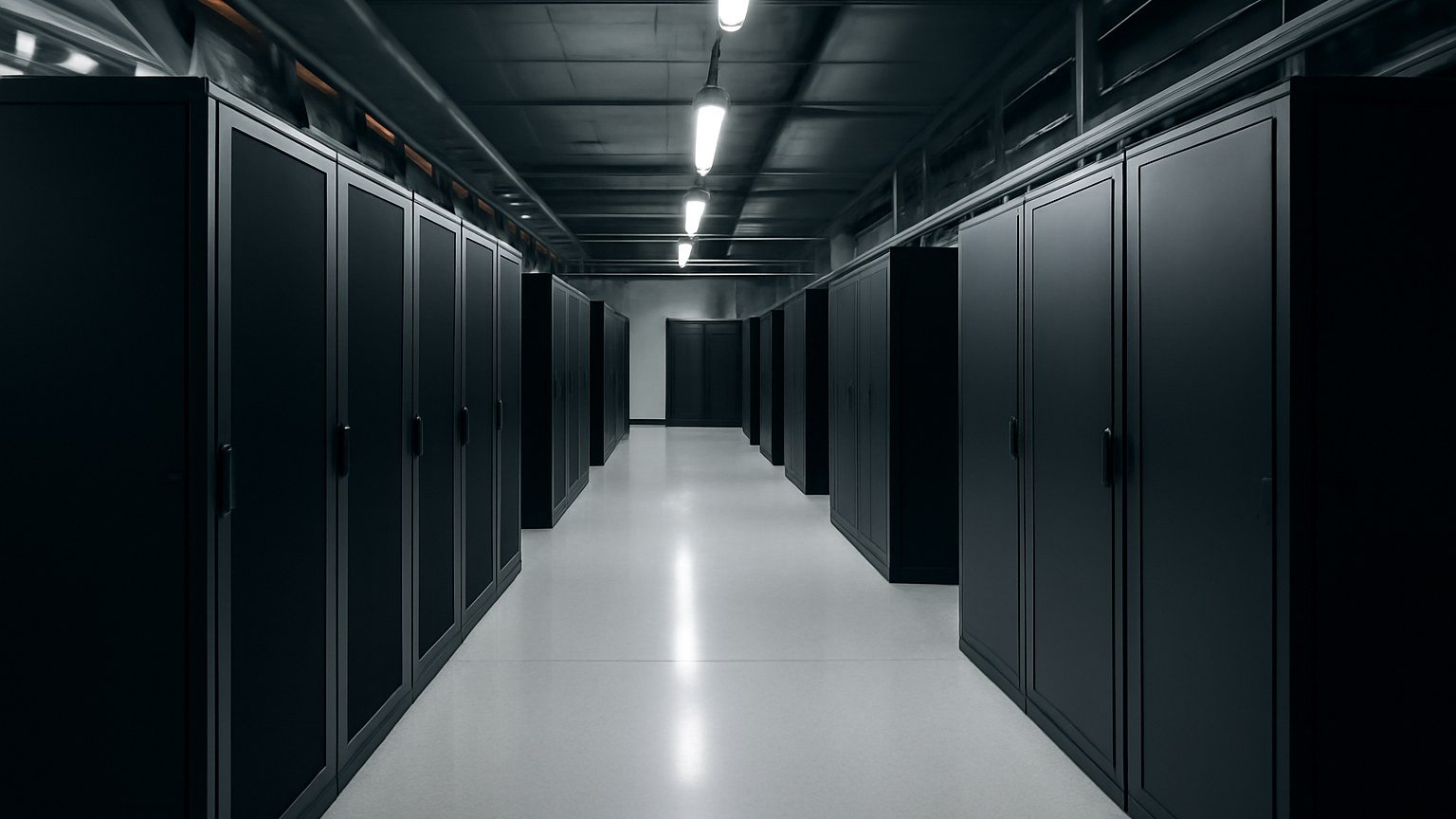
The artificial intelligence investment boom is colliding with a slower commercial return as economists question whether customer revenue can support the capital being committed.
Technology groups continue to spend heavily on chips, data centres, electricity contracts and network capacity. The case for that spending depends on businesses and consumers paying enough for artificial intelligence services to produce durable returns.
Recent analysis points to a gap between the companies supplying the physical equipment and those trying to turn models into profitable services. Semiconductor and equipment businesses have captured strong margins, while returns across much of the wider corporate market have yet to show the same effect.
Capital can build computing capacity faster than customers can invent profitable uses for it.
Investors are carrying the early cost
Torsten Slok, chief economist at Apollo, argues that the present earnings picture depends heavily on continued investor support. His warning does not say that artificial intelligence will fail. It says the path from infrastructure spending to customer-funded profit may be longer than market prices assume.
AI boom's profits are currently being funded by investors rather than earned from customers.
Torsten Slok, chief economist at Apollo
That distinction matters because the investment programme is large and difficult to reverse. A data centre takes time to permit, connect and build. Chips and power contracts are ordered before demand is certain, leaving owners exposed if utilisation falls short.
Industry forecasts still point to further growth in capital spending during 2026 and 2027. The open question is whether higher productivity, subscriptions and enterprise contracts will rise quickly enough to justify that pace.
A slower return reaches beyond technology
The burden would not remain inside the technology sector. Data centre construction supports equipment makers, utilities, contractors and property markets. A pause would move through those businesses, while a continued rush could tighten electricity supply and raise development costs.
There is also a concentration risk. If most returns accrue to a small group of chip and infrastructure suppliers, the wider economy may invest in adoption without seeing an equal lift in margins.
The next earnings cycle must begin answering a question that capital spending cannot defer forever: who is paying for the machines, and from what recurring revenue?
The pattern is familiar from earlier infrastructure booms. Capacity is built on the expectation of demand, the suppliers of the capacity earn first, and the returns to everyone else arrive later and unevenly, if at all. What differs this time is the speed at which the capital has been committed.