
World News
Colombia quake rescuers search for survivors
By Staff Writer | 11 August 2026
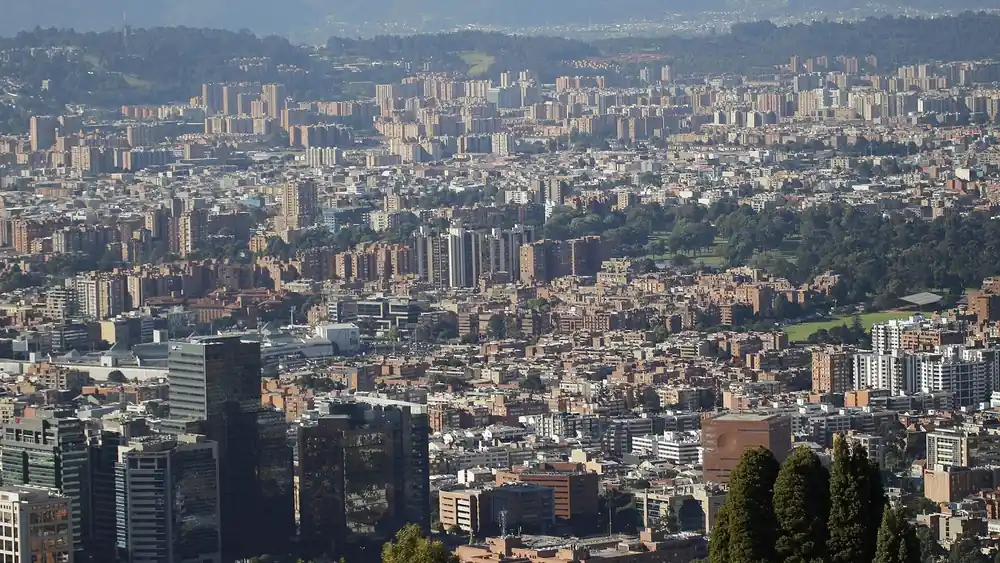
Rescue crews are searching damaged buildings after a magnitude 7.4 earthquake killed at least 111 people in western Colombia and shook cities across the country.
The earthquake struck on Monday and caused the heaviest reported damage in western departments. Teams worked through the night in badly affected districts, searching collapsed structures and moving injured residents to hospitals. The national authorities warned that the casualty count could change as reports arrived from isolated communities.
Shaking was reported in Cali, Pereira, Quibdo and Manizales. It was also felt beyond Colombia in Ecuador and Panama. The Colombian Geological Service described the event as the strongest earthquake recorded in the country during the 21st century.
The immediate test is access: rescuers must reach unstable buildings while roads, hospitals and communications are under pressure.
Searches continue through damaged districts
Residents described masonry falling into streets and neighbouring buildings failing in quick succession. Emergency crews used heavy equipment where access allowed, while smaller teams searched spaces that machinery could not safely enter.
Our building has basically been left in ruins, and the building next to ours? Completely collapsed.
Alvaro Lopez, Cali resident
The account captures the uneven pattern of earthquake damage. A building may remain standing while the structure beside it fails, leaving rescuers to assess each site separately before entering.
The central government mobilised emergency services and military support. Local authorities also opened temporary shelters for people unable to return home, either because their buildings were visibly damaged or because engineers had not yet inspected them.
Aftershocks keep the risk alive
Aftershocks can dislodge weakened walls and floors without warning. That risk slows rescue work and makes rapid structural assessment as important as the movement of equipment and medical teams.
The wider recovery will extend well beyond the search phase. Public buildings, housing blocks, transport links and utilities will require inspection before normal use resumes. Families whose homes appear intact may still face days outside while those checks proceed.
For the missing and those searching for them, the next hours remain the only clock that matters.
The inspection phase that follows carries its own risk. Buildings that survived the main shock can be weakened in ways that are invisible from the street, and aftershocks find those weaknesses first. Deciding which structures people may re-enter is the point at which the engineering judgement becomes a public safety decision.
Those decisions will be made under pressure and with incomplete information, by engineers working from the outside of buildings they have never seen the drawings for. Getting them wrong in either direction carries a cost: too cautious and thousands stay out of sound homes, too permissive and a damaged frame comes down on the people allowed back inside.