
Projects
Bahrain developer breaks ground on Amwaj Avenue works
By Staff Writer | 11 August 2026
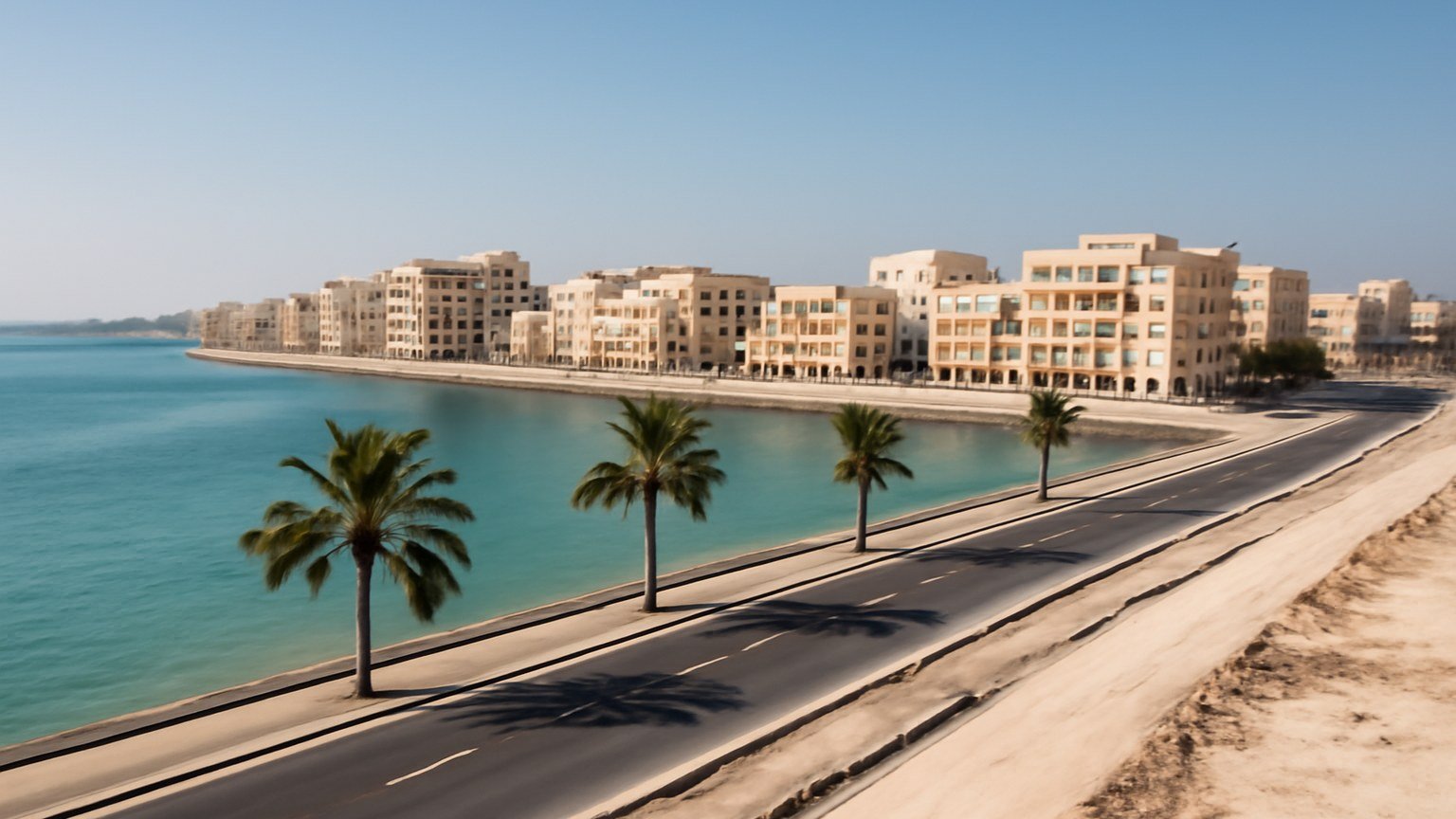
Naseej has started infrastructure works on Amwaj Avenue, a 125,000 square metre mixed-use development at the entrance to Amwaj Islands, moving the scheme from planning into construction.
The site sits in Muharraq Governorate at the approach to the islands. The development comprises 253 residential plots and 27 investment plots, and the first cut of ground marks the point at which a masterplan becomes a construction programme.
The first phase covers roads, utility networks and the essential infrastructure needed before any plot can be built out. That order of works determines everything that follows: plots cannot be released, sold or developed until the services beneath them are in and adopted.
Infrastructure-first phasing puts the developer's capital at risk ahead of any plot revenue, which is why the funding and adoption arrangements matter more than the headline area.
Public bodies at the ceremony
The ceremony marking the start of works was attended by the president of the Survey and Land Registration Bureau, the chief executive of the Urban Planning and Development Authority, and the developer's chief executive. The registration bureau said it would support developers by simplifying procedures, speeding up transactions and helping title deeds to be issued, which on a plotted scheme is the mechanism that turns completed infrastructure into saleable assets.
The planning authority described the start of works as the project's transition from planning to implementation and reaffirmed its commitment to working with the private sector on strategic developments.
The project represents one of Naseej's flagship mixed-use developments and reflects the company's vision of creating integrated and sustainable communities.
Amin Al Arrayed, Chief Executive Officer of Naseej
The chief executive also acknowledged the support of both authorities in advancing the project toward implementation, a reminder that on plotted developments the consenting and registration bodies sit on the critical path alongside the contractor.
Why plotted schemes turn on the early works
Enabling and infrastructure packages on developments of this shape carry risks that a building contract does not. Ground conditions across 125,000 square metres are rarely uniform, and a reclaimed coastal site brings its own questions on settlement, salinity and services depth.
Utility connections are the other exposure. Programme depends on statutory and authority connection dates that the contractor cannot control and often cannot claim against, unless the contract says so. Where a plotted scheme slips, it is usually because a connection or an adoption approval arrived later than the programme assumed.
For contractors bidding the follow-on plot construction, the practical point is that they will inherit the roads and services built now. Levels, tolerances and the quality of the record drawings produced in this phase determine how much argument there is in two years' time.
The regional picture supports the timing, with Gulf project awards running at exceptional volumes through the summer.
The measure of this phase will be whether the first plots come forward on the dates the masterplan promised.