
Contract Awards
ADNOC Gas places $8.2bn of EPC work at Habshan and Ruwais
By Staff Writer | 11 August 2026
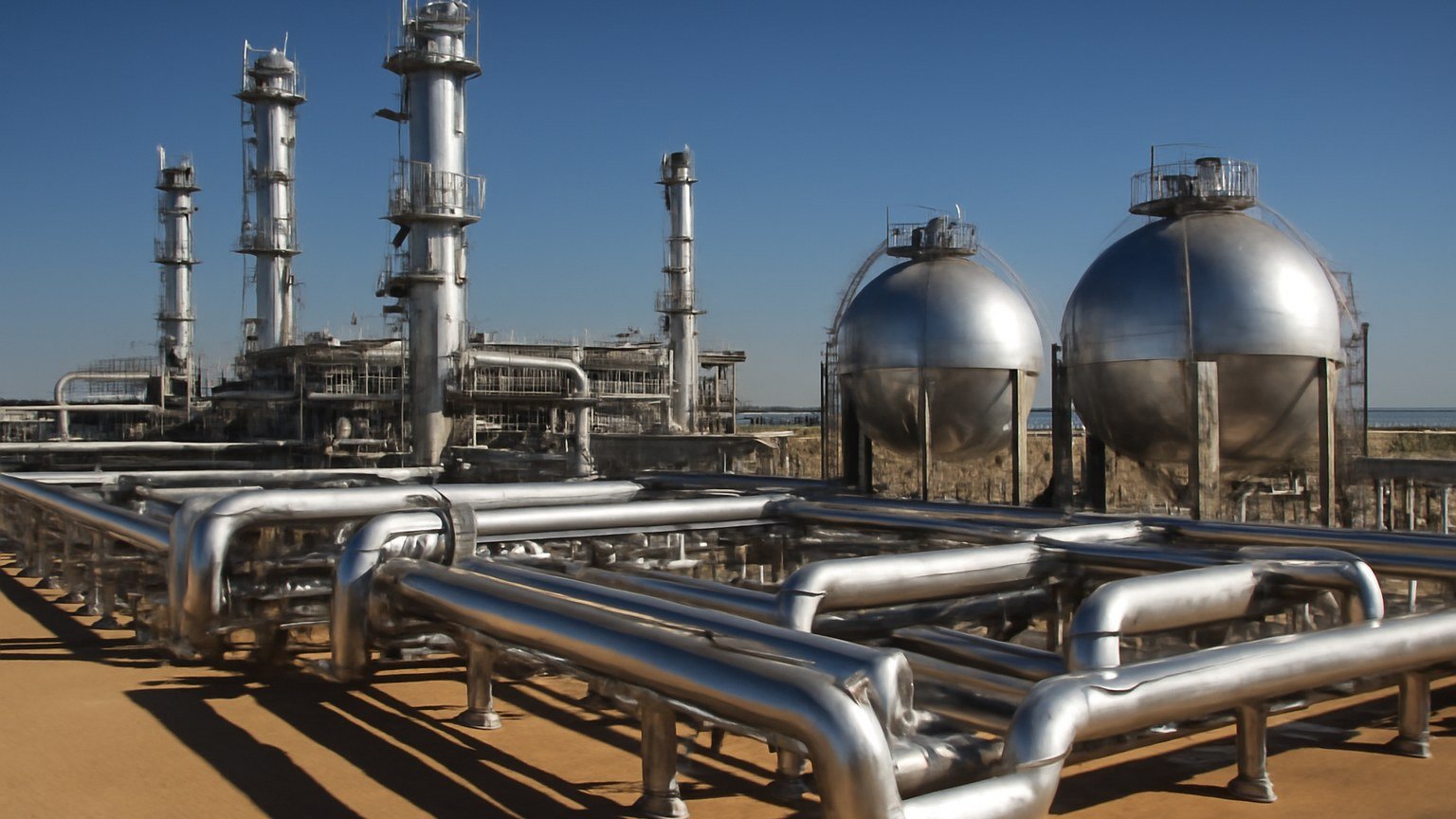
ADNOC Gas has taken final investment decisions on the second and third phases of its Rich Gas Development project and awarded $8.2bn of engineering, procurement and construction contracts to two international contractors.
Wison Engineering takes Phase 2 under a $3.9bn EPC contract, and Tecnimont takes Phase 3 at $4.3bn. Both awards follow the investment decisions rather than preceding them, which puts the packages straight into execution.
Phase 2 covers a new natural gas processing train at the Habshan facility, expanding processing capacity and adding operational flexibility across the company's gas assets. Phase 3 delivers a new natural gas liquids fractionation train at Ruwais, lifting recovery of higher-value liquids from rich gas for export.
With these awards, total investment in the Rich Gas Development programme reaches about $13.2bn, following roughly $5bn already committed to Phase 1.
A programme, not a project
The development is one of four projects in a wider gas growth programme that also covers Ruwais LNG, ethane recovery and monetisation, and a further scheme. Together those are expected to generate approximately $13.4bn in in-country value, the local content measure the Emirates uses to hold international contractors to domestic supply chain commitments.
The company has raised its target for earnings growth to 60 per cent by 2030 against a 2023 baseline, up from a previous target of more than 40 per cent by 2029, and expects to invest around $28bn between 2026 and 2030 to deliver it.
This is a defining moment for ADNOC Gas.
Fatema Al Nuaimi, Chief Executive Officer of ADNOC Gas
The chief executive linked the investment decision and the contract awards directly to that raised earnings ambition when the company reported its second-quarter results.
What the supply chain should read into it
Two trains, two contractors, two sites, one owner. That structure spreads execution risk across separate contracting parties but concentrates interface risk on the client, because Habshan and Ruwais draw on the same regional fabrication capacity, the same specialist welding trades and the same heavy lift windows.
For subcontractors and vendors, the sequencing is the commercial question. Awards of this size lock up long-lead items well ahead of construction, and firms bidding other Gulf work in the same window will be pricing against a supply chain that has already committed its best slots.
In-country value obligations add a second layer. They shape who can be subcontracted and on what terms, and a main contractor's local content commitments made at tender flow down as obligations to firms that had no part in negotiating them.
The award also lands in a month when the region has recorded exceptional volumes, with more than $67bn of major project awards across the Gulf states in July alone.
Capacity, not appetite, is now the constraint on delivery across the Emirati gas programme.