
UK Construction and Law
A joint building and housing guide on damp and mould adds a section on the construction causes
By Staff Writer | 7 September 2026
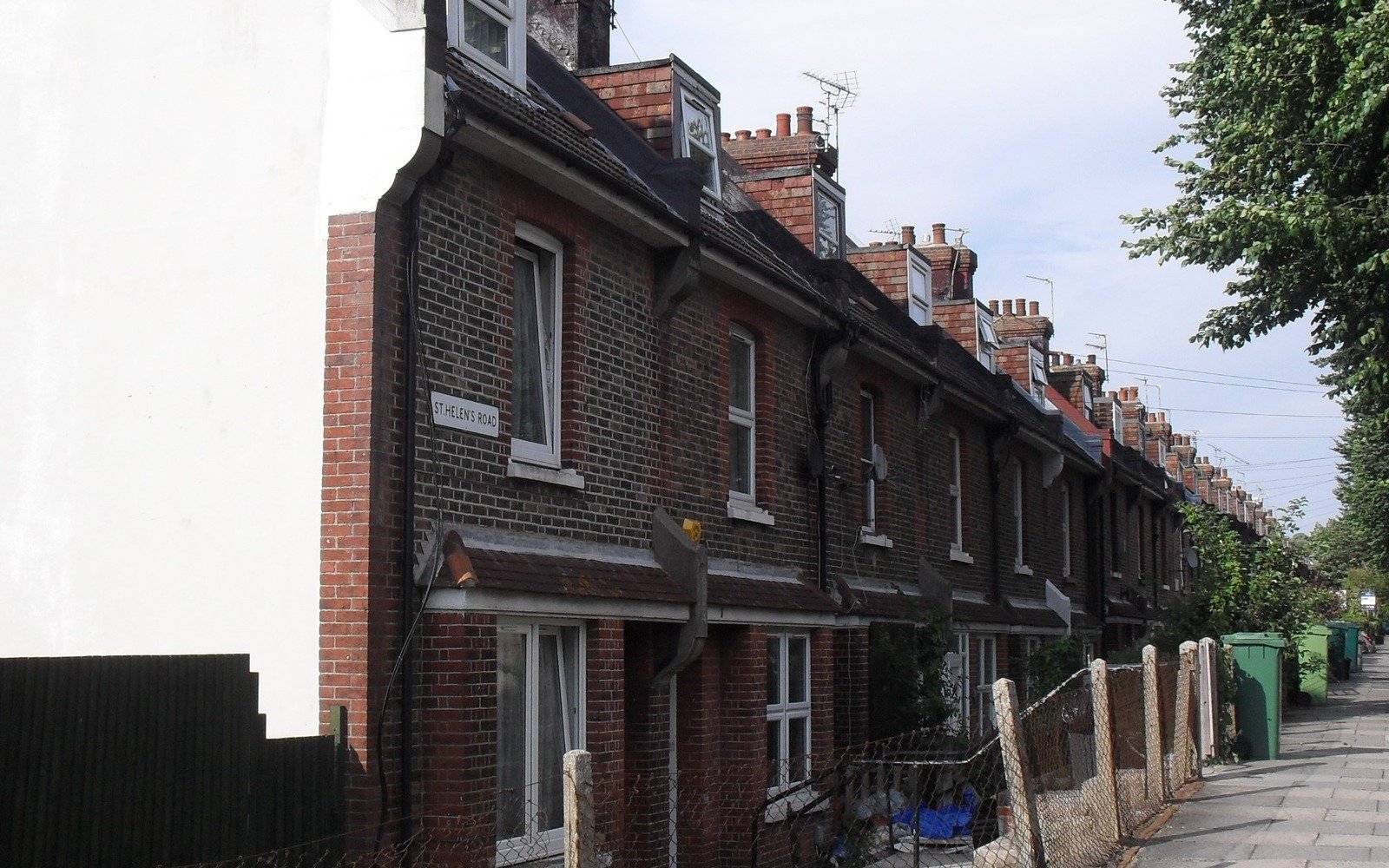
The Chartered Institute of Building and the Chartered Institute of Housing have published a guide for social landlords that updates 2022 advice for Awaab's Law and the 2025 hazard regulations, and for the first time sets out the building defects behind damp and mould.
The guide, Tackling damp and mould: Professional practice, cultural change and regulation in social housing, was announced by the building institute on 2 September 2026. It builds on guidance the housing institute published in 2022 and, according to the announcement, takes account of Awaab's Law and the Hazards in Social Housing (Prescribed Requirements) (England) Regulations 2025. What is new for the construction side is a section on the construction causes of damp and mould, alongside practical guidance on recognising damp and mould when it is present, problem solving with residents, resolving root causes and responding to hazardous situations.
Pathology before programme
The building institute's head of policy and public affairs, David Barnes, said the guide would be a resource for members across a wide range of roles as the need to prevent and deal with damp and mould has become a higher priority. His central point was diagnostic: keep a strong focus on each property's own building pathology rather than rolling out one-size-fits-all measures.
The guide is designed to support professionals who build, retrofit and maintain social housing to better understand building pathology and its place in ensuring measures to address damp and mould issues are impactful and don't exacerbate problems.
David Barnes, head of policy and public affairs at the Chartered Institute of Building
That warning about measures that make things worse is the one a contractor should read twice. Retrofit work that seals a building without addressing ventilation, or a repair that treats a symptom while the moisture source remains, produces the second complaint and, under the new regime, the second clock.
The housing side
Eve Blezard, policy lead at the housing institute and co-author of the report, framed the duty in terms of the landlord's role in providing safe homes. She said damp and mould are among the issues that can pose a risk to residents' health and are often symptoms of wider problems in housing, including disrepair and systems under pressure, and that tackling them well is both a legal requirement and a measure of what kind of sector housing wants to be. The guide also addresses culture and stigma around damp and mould, and carries case studies from across the sector of solutions and external collaborations involving combined authorities and housing associations.
The guide is free to download from the housing institute's website. It is aimed at those who build, retrofit and maintain social housing as much as at those who manage it.
The announcement is five days old, and this desk records it now because no earlier edition carried it. For a specialist contractor on a social housing repairs framework, the practical use is as a shared reference: when a landlord's surveyor and a contractor's supervisor disagree about whether a wet wall is condensation, penetrating damp or a bridged cavity, a document both institutes have signed is a better starting point than either party's standard form.