
World News
Saxony-Anhalt votes today with the AfD polling around forty per cent
By Staff Writer | 6 September 2026
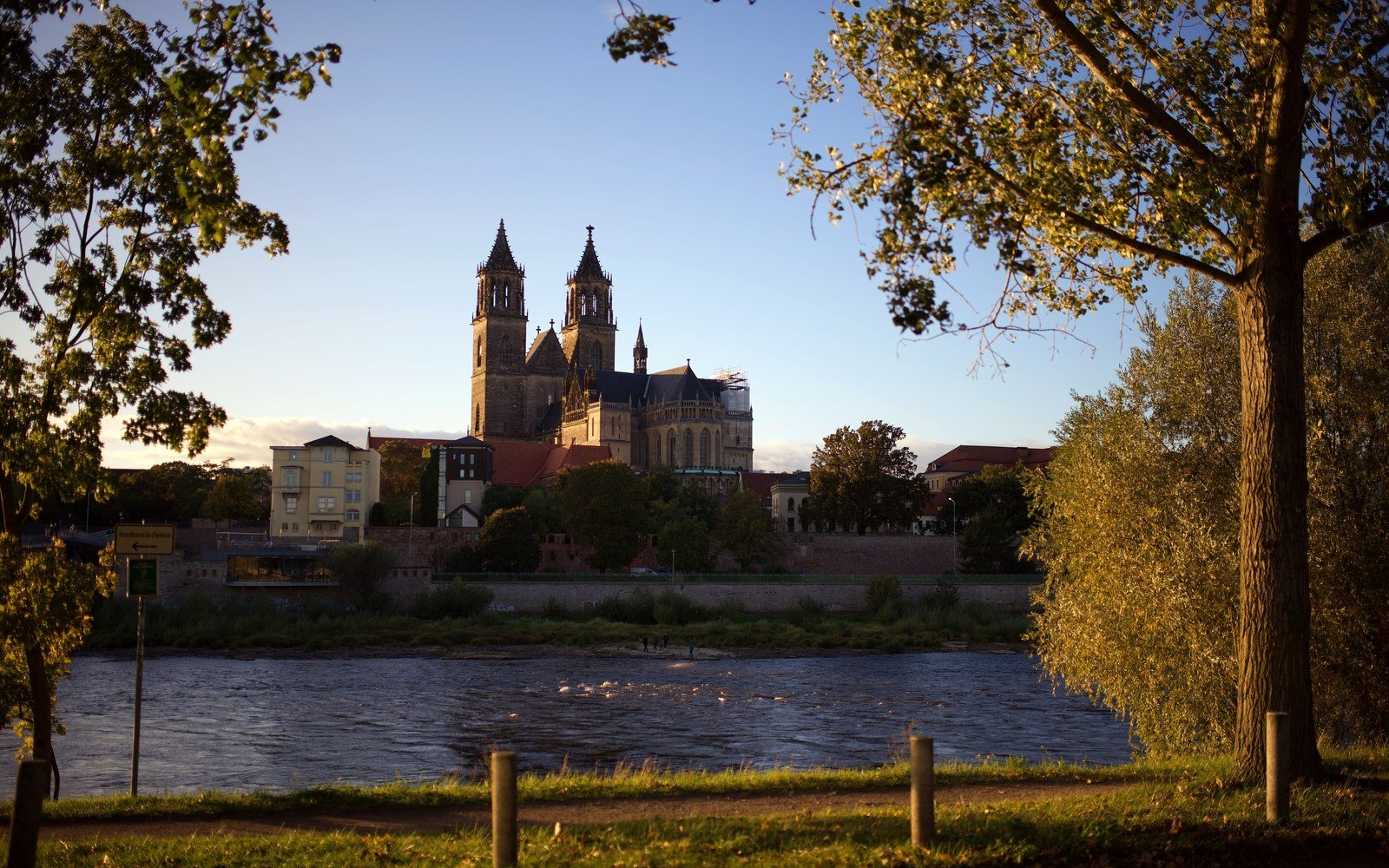
The eastern German state elects a new parliament on Sunday. Polling puts Alternative for Germany 15 to 20 points ahead of the governing Christian Democrats, and every other party has refused to work with it, so the arithmetic points to a parliament that struggles to produce a government.
Voters in Saxony-Anhalt go to the polls on Sunday 6 September to elect a new state parliament, in a contest that has been read across Germany as a test of whether a party of the far right can take office in a federal state for the first time. Opinion polling in the state has put support for Alternative for Germany above 40 per cent, between 15 and 20 points ahead of the Christian Democrats, who govern in coalition with the Social Democrats and the Free Democrats. One published polling trend for the state puts the figures at 41.7 per cent for Alternative for Germany and 22.5 per cent for the Christian Democrats, with Die Linke on 12.1, the Social Democrats on 7.9 and the Greens on 5.5.
a decision that will set the course for Germany
Sven Schulze, Minister-President of Saxony-Anhalt
Mr Schulze, who belongs to the Christian Democrats of Chancellor Friedrich Merz, took office in January 2026, inheriting the post mid term from Reiner Haseloff. His opponent for the premiership is Ulrich Siegmund, who is 35 and has spent months campaigning in village halls and town squares across the state.
The arithmetic, and the firewall
Most other parties standing have refused to cooperate with Alternative for Germany, which the state office of Germany's domestic intelligence service has designated as extremist right-wing. The practical effect of that refusal is that a large vote for the party does not by itself deliver the premiership. A coalition led by the Christian Democrats could still keep it from office. What a very large vote does deliver is a chamber in which the arithmetic for any other combination becomes difficult, and that is the outcome most of the pre-election commentary has settled on.
I want my beautiful, old, safe Germany back.
Ulrich Siegmund, candidate for Minister-President, Alternative for Germany
Mr Siegmund rejects the description of his party as far right and says he speaks the language of the people. His campaign has run on restricting immigration, on schools and policing, and on the cost to German industry of losing access to Russian oil and gas. He has said he would recruit sympathetic officials from other states to help a government of his party push changes through, which points to disputes with the federal government and with other states if he ever gets the chance.
Why a state election matters federally
State governments in Germany make up the Bundesrat, the upper house of the federal parliament, and hold wide powers over education, culture and domestic security. A state government of Alternative for Germany would therefore reach beyond Saxony-Anhalt.
The state itself is heavily rural and has an unemployment rate of around 8 per cent, in line with a national downturn. Economists quoted in the campaign have made the point that its record over the longer run is better than the mood suggests, with logistics and renewable energy establishing themselves alongside a large chemicals industry. Thomas Brockmeier, head of the Halle-Dessau Chamber of Industry and Commerce, said economic development in the state over the past 10 to 15 years had been more than satisfactory and that he would go further and call it quite good. The state also has a declining population, and the same economists say it will depend on inward migration to fill vacancies in health care, tourism and the chemicals plants.
Two more state elections follow this month, in Mecklenburg-Vorpommern and in Berlin. Sunday's result will be read as the template for both, which is why a vote in a state of little more than two million people is being counted in Berlin, Brussels and every European capital with an election of its own coming.