
Middle East Infrastructure
Port of Duqm adds 25 hectares of vehicle parking as Ro-Ro arrivals reach one every two days
By Staff Writer | 6 September 2026
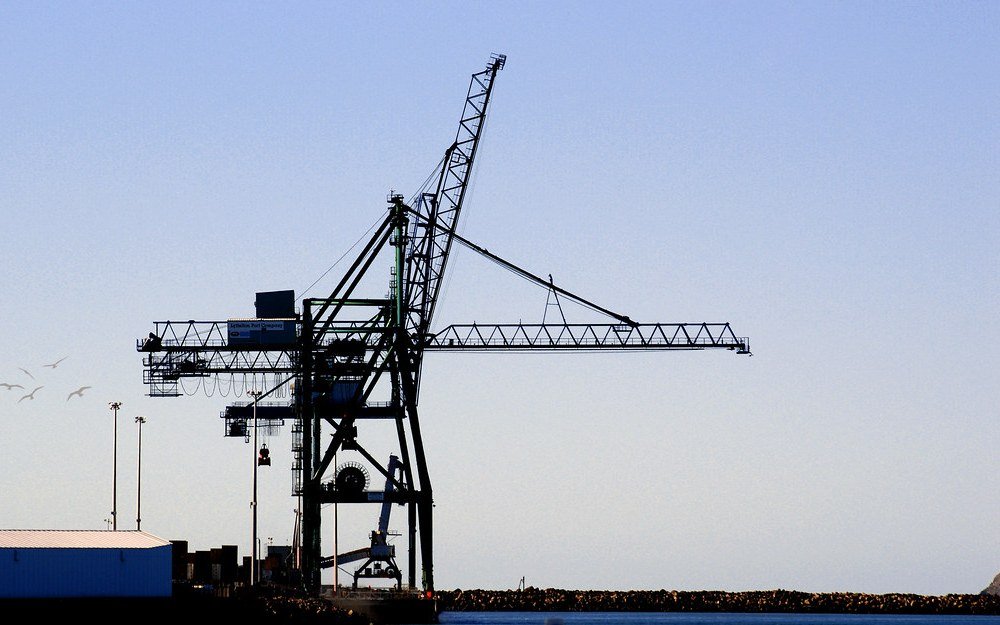
The Omani port is taking roll-on roll-off vessels of up to 5,000 vehicles at roughly two day intervals, and is laying out a further 25 hectares of storage to take its on-site capacity to about 30,000 vehicles.
The Port of Duqm is handling a rising volume of roll-on roll-off traffic and is expanding its vehicle storage to keep pace, with a further 25 hectares of parking being laid out to take on-site capacity to around 30,000 vehicles. The port recently received the BYD Changsha, one of the largest roll-on roll-off vessels in service, carrying more than 1,200 vehicles.
The port sits within the Special Economic Zone at Duqm on the Arabian Sea, outside the Strait of Hormuz. It is now serving markets in Saudi Arabia and the UAE as well as Oman and the wider GCC, and works with BYD and with carriers including COSCO.
Two day intervals and a three day discharge
Vessels are arriving at roughly two day intervals, and some of them carry up to 5,000 vehicles. On the port's own account a 5,000 vehicle discharge takes about three days, while smaller consignments clear in less than a day, and another ship of the same size may be alongside within two days of the last one leaving.
For anyone pricing terminal works, the number that matters is not the ship size but the interval between ships. A berth that must absorb a three day discharge every two days has no slack in it, and storage laid out for peak stock rather than average stock is the only thing that keeps the quay clear.
The terminal was ready and the ground prepared; however, given the current surge in volume, we are continuing to scale up our capacity to receive and store vehicles at the port.
Reggy Vermeulen, Chief Executive of the Port of Duqm
Roll-on roll-off handling was in the port's master plan from the outset, and the port had previously taken smaller volumes alongside services to the oil, gas and construction sectors. The move into consumer vehicles, cars and buses, is the change of scale.
Labour, plant and the rate of discharge
More than 140 drivers have been taken on to support the operation, and they can move around 1,000 vehicles off a ship in less than a day. New drivers take a half day safety induction, wear specified protective clothing and observe a maximum speed of 15 kilometres per hour while handling vehicles. The port has also increased its use of third party equipment to absorb the rising volumes.
Annual cargo growth at the port has run at between 15 and 20 per cent. The port and Asyad Group are investing in operating systems and automation, and the port says its relationship with BYD is at an early stage while discussions continue with other carriers on longer term structural arrangements.
What has not been stated
No capital value has been attached to the 25 hectare expansion, no completion date has been given for it, and no contractor has been named. Nor has the port said what proportion of the 30,000 vehicle capacity is covered or hard standing, which is the distinction that drives the cost of the works. The wider point for the region is that a young port is committing ground and labour to a trade it did not previously serve, and doing so on volumes that are already in front of it rather than on a forecast.