
Project launch
Stockport approves Bramhall High School rebuild after RAAC found
By Staff Writer | 18 August 2026
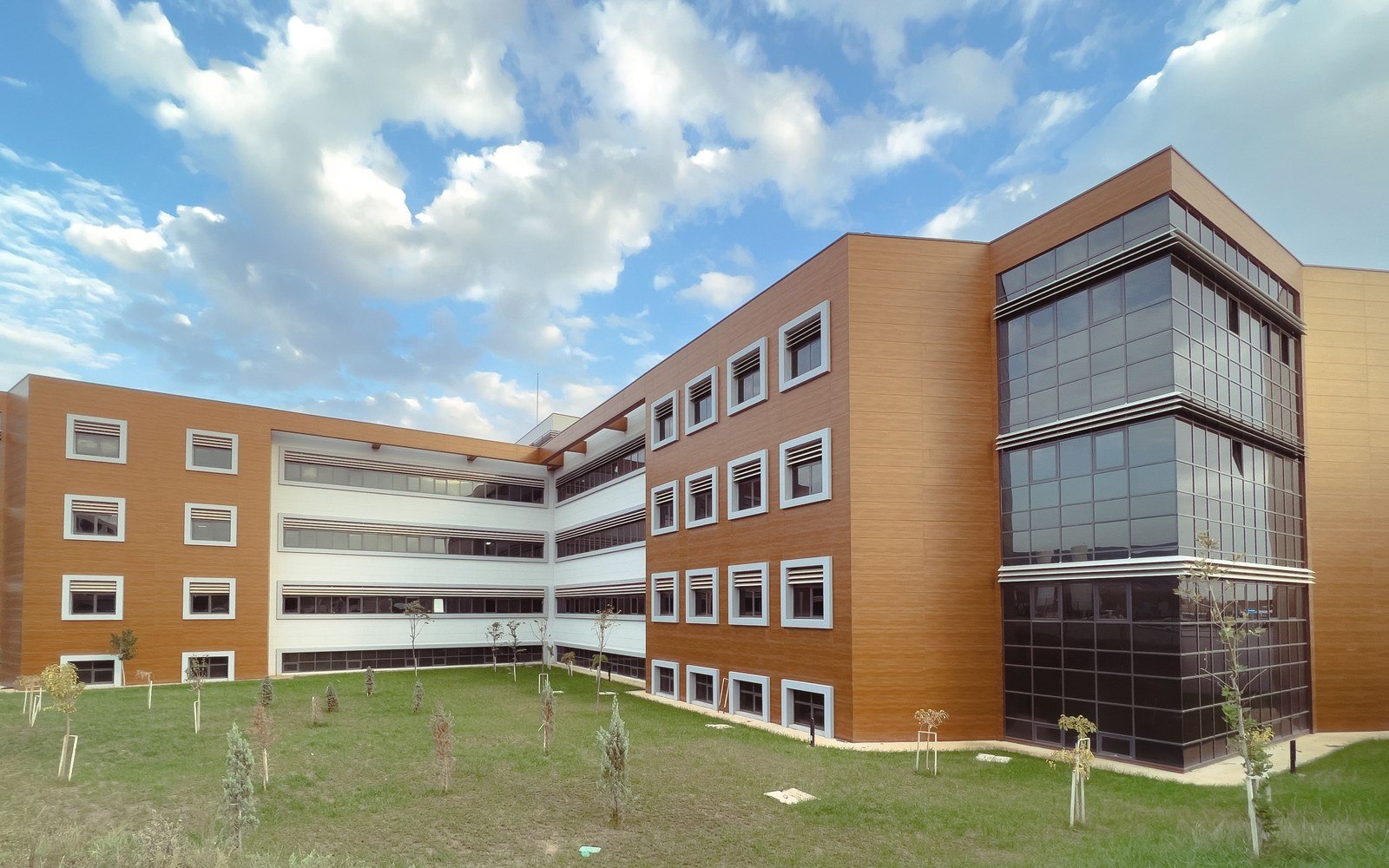
Stockport Council's planning committee has approved the demolition and rebuilding of Bramhall High School, where reinforced autoclaved aerated concrete was found in quantity across the existing buildings. Willmott Dixon is to build the replacement.
The planning committee resolved to approve the scheme on Thursday 13 August 2026, in line with the officer recommendation. The decision was unanimous, and was taken alongside an approval for a second Stockport school.
The consent allows a new three storey school building of 10,800 square metres on the existing site off Seal Road, together with a sports hall, a 3G football pitch, car parking and landscaping. The rebuilt school retains capacity for 1,350 pupils. Sheppard Robson designed the replacement.
The new building is to be constructed to the east of the existing buildings, which remain in use while the work proceeds. Once the replacement is complete, the older estate is to be demolished, with the more recent maths block retained. Work is expected to begin in January 2027.
Reinforced autoclaved aerated concrete is a lightweight form of concrete used in public buildings in the decades after the Second World War. Where it is found in a school, the response ranges from monitoring and propping through to full replacement, depending on the condition and extent of the material.
No contract value for the rebuilding has been published by the council or by the contractor. Figures circulating for the scheme come from construction data providers rather than from the parties, and they do not agree with one another, so none is reported here.
What the practitioner should take from this
A phased rebuild on an occupied school site is one of the more demanding sequencing problems in public building work, and the contractual difficulty is rarely the new structure. It is the interface. The existing buildings stay in use throughout, which means the contractor's possession of the site is partial, conditional and interrupted by the school calendar. Anyone reading this contract should look first at how possession is defined, what access the contractor is actually promised, and what happens when a school activity displaces a planned operation.
Term dates are the mechanism through which most of that risk arrives. Where noisy or disruptive operations can only be carried out in holidays, the programme has fixed windows that cannot be moved, and a delay of three weeks in the wrong month can cost a great deal more than three weeks. The practitioner should establish whether those windows are contractual constraints, in which case an employer act that closes one may amount to a relevant event, or merely the contractor's own planning assumption, in which case the risk sits the other way.
The demolition phase deserves its own reading. Demolition follows completion and occupation of the new building, so it happens after the point at which many contracts would have certified practical completion. Whether the demolition is a separate section with its own date, a later obligation under the same contract, or a distinct order altogether determines when retention is released, when the defects period starts and when the limitation clock begins. Those are three different answers, and they are frequently left unresolved until somebody asks for the money.
The material found on this site is worth a further word. Reinforced autoclaved aerated concrete is often discovered in quantities greater than the initial survey suggested, and it is present in the buildings that are to be demolished rather than in the new one. A demolition contractor working around a material with known structural behaviour is entitled to a clear statement of what has been found and where. The survey information issued with the tender, and the risk allocation that sits behind it, will decide who pays when the extent turns out to be greater than recorded.
Nothing here suggests any difficulty on this project, which has only just received consent. These are the ordinary commercial features of rebuilding a school while it continues to teach, and they are cheapest to settle before the first order is placed.