
Milestone
Vistry hands over final 84 affordable homes at Hounsome Fields
By Staff Writer | 19 August 2026
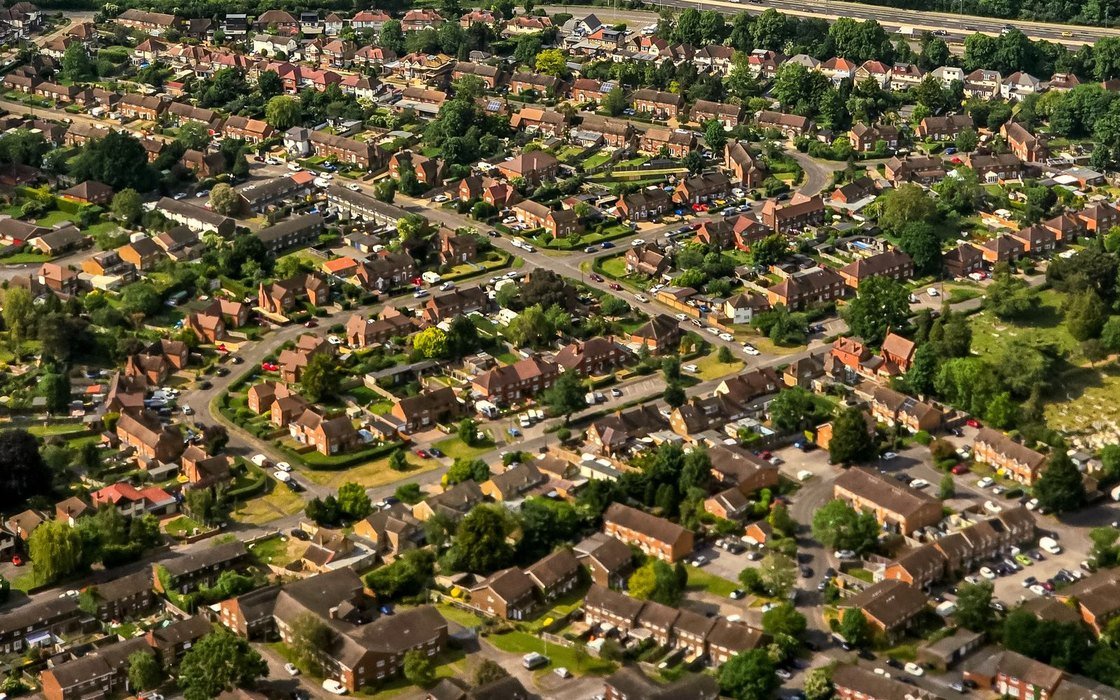
Vistry has completed the handover of the final 84 affordable homes in Phase B1B at its Hounsome Fields development in Basingstoke, bringing the number of homes delivered to Sovereign Network Group within that phase to 95.
The completion was announced by the housebuilder on 19 August 2026. No consideration has been published for the transfer and none is stated in the announcement.
The first 11 homes in Phase B1B were handed over in 2025. The remaining 84 complete the phase. The homes comprise a mix of one and two bedroom apartments together with two, three and four bedroom houses, available through affordable rent and shared ownership.
Hounsome Fields sits off Winchester Road on the southern edge of Basingstoke. The housebuilder is delivering around 750 homes there across seven phases, on a mixed tenure basis that combines open market and affordable housing with investment in community infrastructure, education and public amenities.
Work continues on the wider site. Proposals for a community building and allotments are progressing through the planning process, and the announcement describes the Phase B1B handovers as one of the final major residential milestones at the development, with remaining works due to be completed over the coming months.
Amber Bowley, Sales and Marketing Director at Vistry Thames Valley, said: "The completion of the final handover to SNG at Phase B1B is an important milestone for Hounsome Fields and reflects the strength of our partnership in delivering high-quality affordable homes for local people." She added: "Together, we have provided 95 homes through this phase alone, helping more individuals and families access a quality home within a growing and well-connected community."
Satwinder Kukadia, Regional Director for the South at Sovereign Network Group, said: "This latest handover demonstrates the value of strong partnerships in delivering much-needed affordable homes for people that need them. Working closely with Vistry, we have been able to provide 95 affordable homes at Hounsome Fields, offering local people in Basingstoke access to quality housing in a growing community."
What the practitioner should take from this
A phased handover to a registered provider is a sequence of separate legal completions, not one event, and the contractual machinery behind it repays attention. Each tranche usually triggers its own practical completion certificate, its own defects liability period and its own payment, so a development delivering 95 homes in two tranches across two years carries two sets of dates running in parallel. Where a later tranche is delayed, the earlier tranche's defects period may already have expired, and the party carrying the risk of a common defect across both can find that its remedies differ from one block of homes to the next.
The tenure mix matters for the same reason. Homes delivered for affordable rent and homes delivered for shared ownership are commonly bought under the same building contract but transferred under different arrangements, with different valuation bases and, in some cases, different specification requirements imposed by the acquiring provider. On a scheme of seven phases the specification that applied at phase one is rarely the specification that applies at phase six, because standards, grant conditions and the provider's own employer's requirements all move. Anyone advising on a defect that appears years later needs to establish which version of the specification governed the particular plot.
The community infrastructure position is the third point. Where a community building and allotments remain in planning while the residential phases complete, the obligations securing them normally sit in a planning agreement with trigger points expressed by reference to occupation numbers. Those triggers keep running after the housebuilder has handed the homes over. Establishing who holds the outstanding obligation, and whether any bond or security stands behind it, is easier while the developer is still on site than after the final phase has closed.
Nothing here suggests any difficulty on this development. These are the ordinary questions a phased mixed tenure scheme raises, and they are cheaper to answer at the point of handover than at the point of dispute.