
Middle East Business
Saudi fund reports 199 billion dollars placed inside the Kingdom over five years
By Staff Writer | 19 August 2026
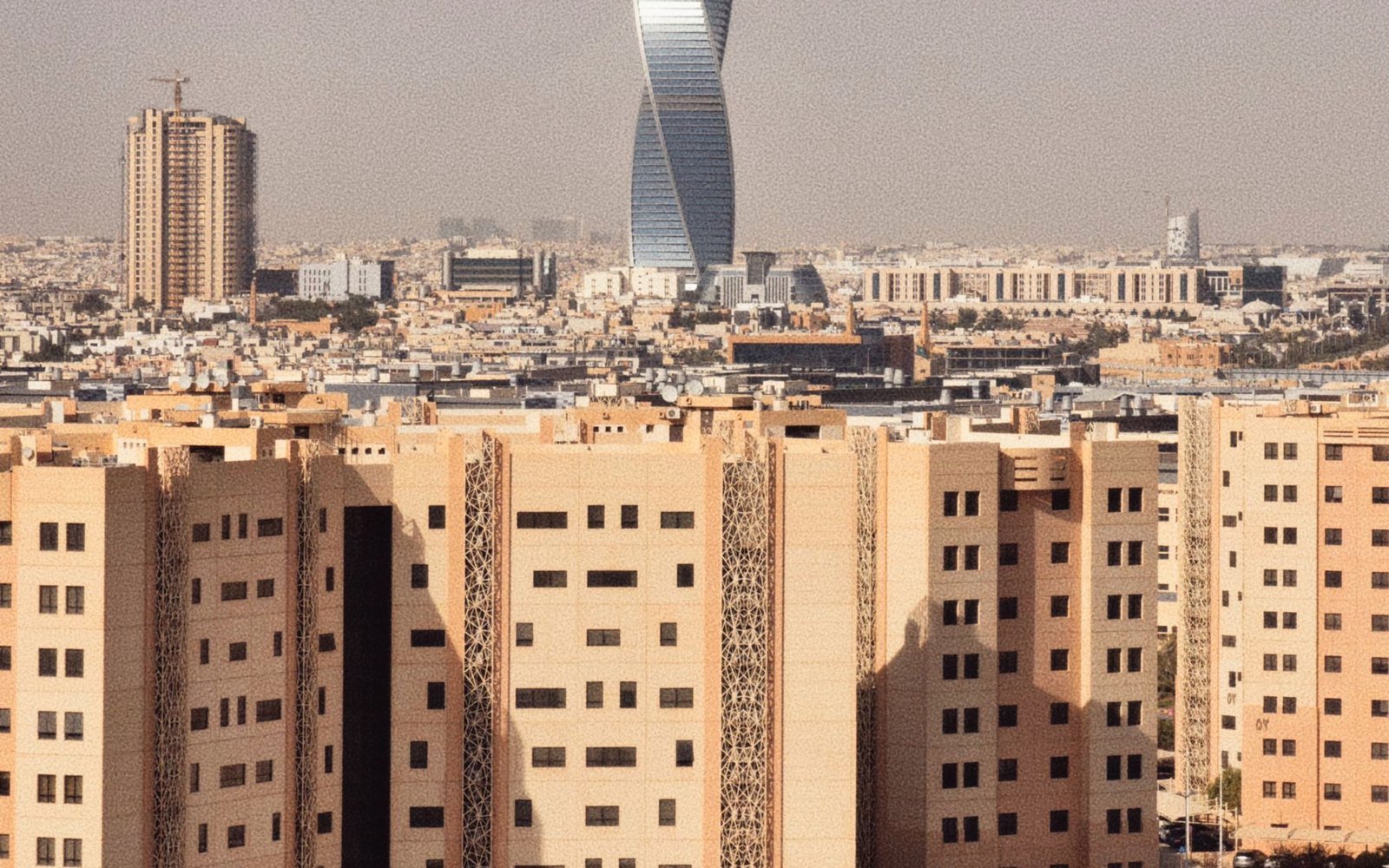
The Public Investment Fund's 2025 annual report puts revenue up 9 per cent at 120 billion dollars, net profit more than doubled at 17 billion dollars, and cumulative domestic deployment above 199 billion dollars between 2021 and 2025.
The Saudi sovereign fund published its 2025 annual report on 17 August. Revenue rose 9 per cent to 120 billion dollars and net profit more than doubled to 17 billion dollars, which the fund attributes to contributions from portfolio companies reaching maturity. Assets under management passed 900 billion dollars at the year end, against about 530 billion dollars in 2021 and 150 billion dollars in 2015. The fund reports an annualised total shareholder return of 5.8 per cent since 2017.
In 2025, PIF more than doubled net profit year on year and maintained its strong financial position with over $900 billion in assets under management.
Yasir Al-Salman, Chief Financial Officer and acting head of the Global Capital Finance Division at the Public Investment Fund
Eighty per cent of the fund's assets are allocated inside the Kingdom and 55 per cent of the portfolio sits in alternative assets. Cumulative domestic deployment reached more than 199 billion dollars between 2021 and 2025. International investments grew 12 per cent over the year, with new subsidiary offices opened in Europe and Asia.
PIF contributed 11 percent of Saudi Arabia's total non-oil GDP in 2025 and contributed more than $342 billion cumulatively from 2021-2025.
Maram Al-Johani, Chief of Staff and Secretary General to the Board at the Public Investment Fund
Where the schemes stand
The report records several delivery positions on the developments that carry most of the construction spend. The green hydrogen scheme at NEOM passed 90 per cent completion during 2025. Qiddiya City opened its theme park, the first of that operator's parks outside North America. Red Sea Global continued to expand its tourism portfolio, including work at Shura Island and the opening of AMAALA. Diriyah secured SR 6 billion of financing during the year.
Read together, those four positions describe a portfolio moving out of construction and into operation on its earliest assets while later phases are still being funded. For a contractor, that shift is where the work changes character: from enabling, structural and envelope packages towards fit out, commissioning, defects and operational maintenance.
Why the funding side is worth reading
The fund widened its funding sources during 2025, issuing a first euro denominated green bond and establishing a commercial paper programme for short term finance. It holds long term ratings of Aa3 with a stable outlook from one agency and A plus with a stable outlook from another, and took a first short term rating of A-1 from a third.
None of that is a construction contract, and it should not be read as one. What it tells a contractor or a consultant is which parts of the programme now have committed money behind them. A green bond carries reporting obligations on the use of proceeds, and those obligations travel down the delivery chain as evidence requirements: material provenance, carbon reporting and verification records that a subcontractor may be asked to produce long after practical completion. A commercial paper programme has the opposite effect at the other end, because short dated funding tends to support working capital and near term drawdowns rather than a specific asset.
What to check before pricing
The figures in an annual report are group figures. Packages on these developments are contracted by the individual project companies, not by the fund, so the contracting entity, its own balance sheet and its own payment terms are the things to confirm before a tender is priced. A parent with 900 billion dollars of assets under management is not a guarantor of a subsidiary's obligations unless a document says so.
The second figure to watch is the 199 billion dollar domestic total, because it is cumulative and reported year on year. The movement in that number across the next report is a better guide to how much work is being placed than any single project announcement, and it is stated on a consistent basis, which project announcements are not.