
UK Construction and Law
The UK and EU agree to link their carbon markets from 2028, taking about £6.5bn of UK exports out of the EU carbon border charge
By Staff Writer | 21 November 2026
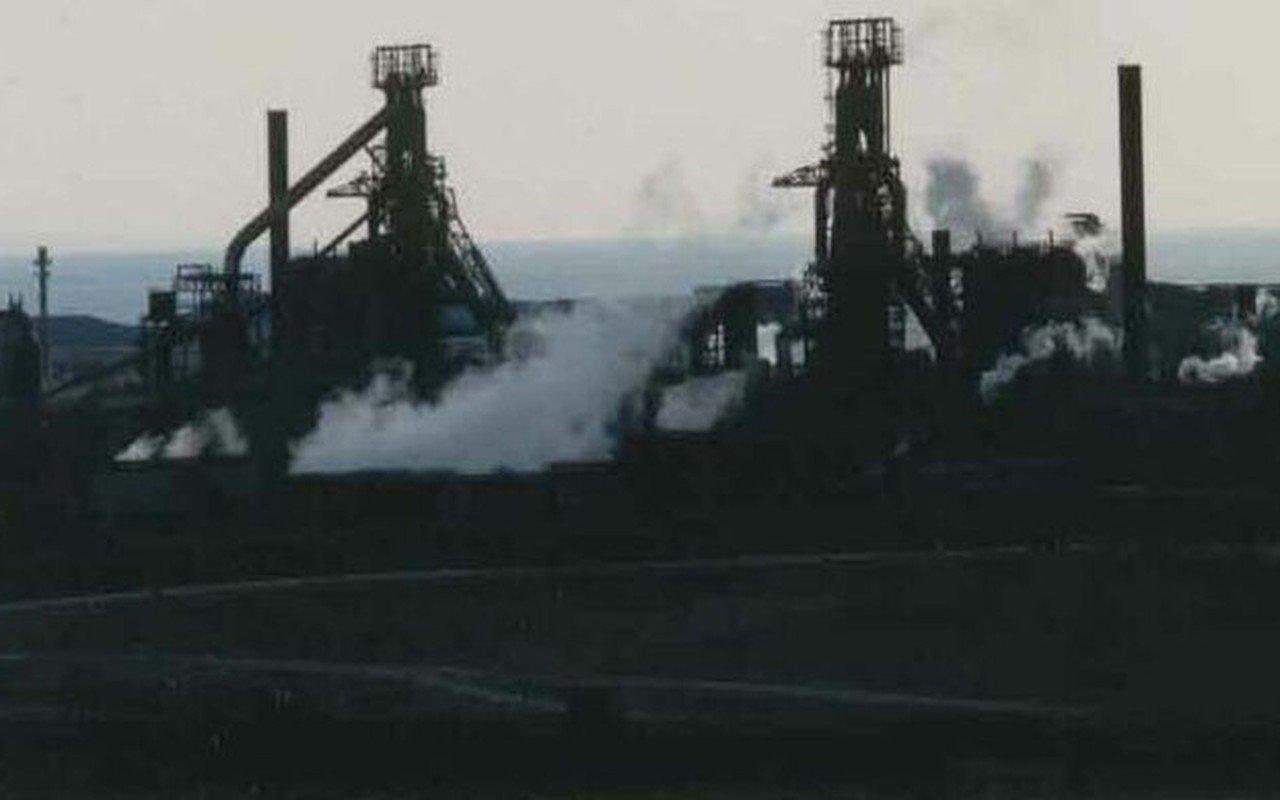
Steel, aluminium and cement producers face a new free allocation path, and the UK auction reserve price goes when the link opens.
The United Kingdom and the European Union agreed at the UK-EU Summit in Brussels on Friday 20 November 2026 to link the UK Emissions Trading Scheme with the EU Emissions Trading System. Both sides are working to make the link operational on 1 January 2028. From that date allowances issued by either side can be used for compliance in either scheme.
The government says the agreement will exempt about £6.5bn of UK exports, including steel and aluminium, from the EU Carbon Border Adjustment Mechanism, and that Treasury analysis puts the gain to the economy at up to £3.8bn a year by 2040. The mutual exemptions are to apply once the link is fully operational and remain subject to the EU's own legislative procedures. Separately, the UK intends to exempt goods originating in the EU, the EEA and Switzerland from the UK's own carbon border mechanism from 1 January 2027.
What changes for heavy industry
From 2028 the UK will follow the EU's timetable for phasing out free allocation for products covered by the EU mechanism, which currently covers iron and steel, aluminium, cement, fertilisers, hydrogen and electricity. As free allocation is phased out for those products, the amount given to affected UK installations will fall in step with the EU. The factor used to calculate free allocation for process emissions also moves from 0.97 to the EU's 0.91.
Some less efficient installations will have to produce climate neutrality plans setting out how they will decarbonise. Where a plan is not submitted or does not meet the required conditions, the whole installation's free allocation is to be cut by 20 per cent in 2028, 2029 and 2030. The UK will not adopt the EU's condition linking free allocation to energy audit recommendations.
Ten years on from Brexit, today we open a new chapter. Repairing a broken status quo with a Britain that is closer to Europe.
Andy Burnham, Prime Minister
Prices, timing and scope
The UK will remove its auction reserve price when the link goes live, on the basis that a price floor in only one part of a linked market would not be practical. It will set up a UK Market Stability Reserve, initially holding 29.5 million UK allowances, to respond alongside the EU reserve. The first surrender deadline at which allowances from both schemes are accepted is 30 September 2028, for obligations in the 2027 compliance year.
The agreement covers electricity generation, waste incineration other than landfill, industrial heat, industry, maritime transport, aviation and greenhouse gas removals. The EU's second scheme for fuel burned in buildings and road transport is outside it. The agreement also removes regulatory barriers to selling carbon dioxide storage services across the border.
The legislation is to pass in 2027 and the legal text has still to be published.
The agreement was one part of a wider summit package which the government says could add up to 0.5 per cent to UK GDP by 2040, about £17bn a year. For cement, steel and aluminium suppliers, the practical effect now turns on two dates: the EU border charge falling away for UK goods, and free allocation shrinking from 2028.