
UK Case Law
A fire stopping subcontractor's pre-action letter made no admissions, the TCC rules in a York sprinkler leak claim
By Staff Writer | 21 November 2026
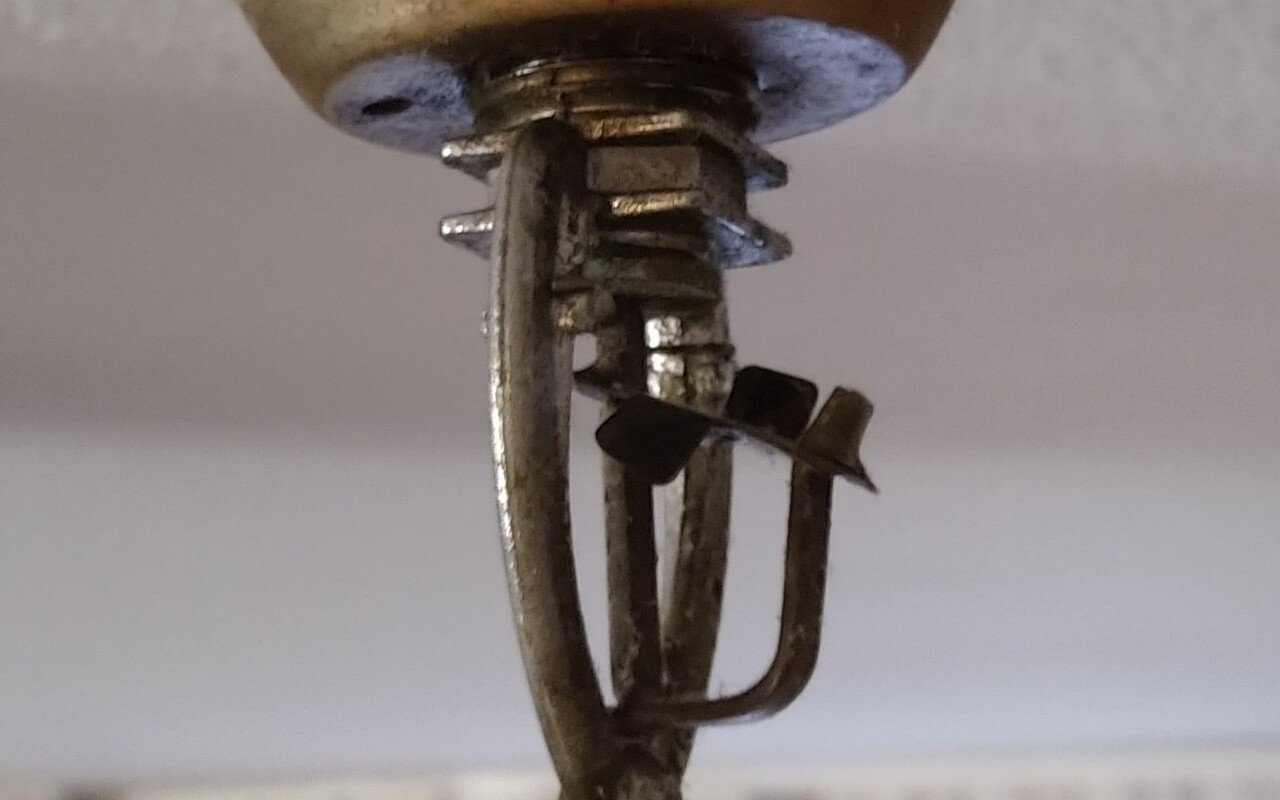
Her Honour Judge Kelly refuses to strike out the defence or enter judgment, holding that statements in a letter of response were averments read in their context.
The Technology and Construction Court in Leeds has dismissed an application by John Wright Electrical & Mechanical Services Limited against its fire stopping subcontractor, M B Plant Limited, trading as 123 Fire. The claimant had asked the court to strike out the defence, or to enter judgment on admissions said to have been made before proceedings began. Her Honour Judge Kelly, sitting as a judge of the High Court, handed down judgment on 20 November 2026 in [2026] EWHC 3010 (TCC).
The dispute arises from the refurbishment of James House on James Street, York, carried out from around the summer of 2017 to create offices and flats for homeless and vulnerable people. The claimant carried out mechanical and electrical works for the main contractor, including the fire suppression system. It engaged the defendant in late 2018 for fire stopping around the installed sprinkler pipework, work that ran from December 2018 to early October 2019. The drawings specified one chlorinated polyvinyl chloride pipe system and, without the defendant's knowledge, a different system was installed.
After leaks were investigated in October 2022, the claimant alleged that the sealant used by the defendant was chemically incompatible with the pipework and had degraded it, and it carried out remedial works between about November 2023 and February 2024. The defendant says that it checked the sealant against the specified pipe and that the substitution caused any problem, and those issues remain for trial.
Admission or averment
The claimant relied on passages in the defendant's letter of response of 26 November 2024. They referred to the subcontract order and its terms, quoted the clause 7.1 indemnity and accepted a duty of care "within the scope of the retainer". The claimant argued that the defence went back on them and that the defendant should have applied to withdraw them under CPR 14.5.
The judge held that a statement is an admission only where it is clear and unequivocal, read objectively and in the context of the correspondence as a whole. The passages sat in the background section of a letter that set out the defendant's own case, and the letter gave a different date for the subcontract order with no agreement number.
In any event, in my judgment the words relied upon were averments. They were not clear and unequivocal admissions that a specifically numbered and previously uncited sub-contract document bound the parties.
Her Honour Judge Kelly, Technology and Construction Court
The acceptance of a duty of care fell well short of the duty the claimant pleaded, and nothing in the letter admitted breach or causation. The judge added that, even if admissions had been made, she would not have entered judgment, because the remaining elements of the cause of action were unproven, and that striking out parts of the defence would have been disproportionate. A change of position was not by itself an abuse of process.
A pre-action admission binds only where the words are clear and unequivocal in the context of the whole letter.
For parties drafting letters of response under the pre-action protocol, the decision shows that a court will read a passage against the structure of the whole letter before treating it as a concession.