
World News
The Supreme Court lets the White House ballroom carry on being built
By Staff Writer | 2 September 2026
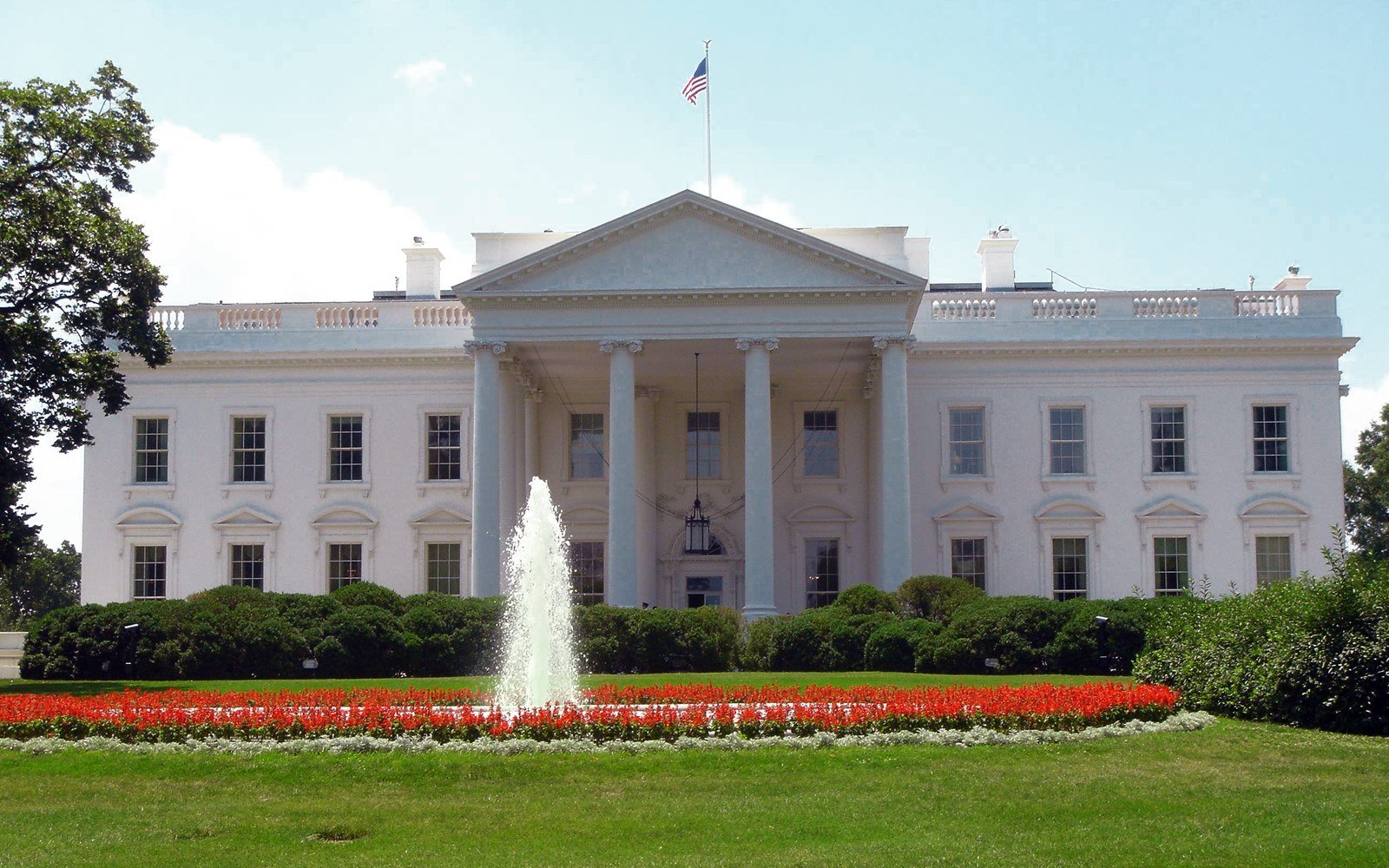
A five to four ruling turned on standing rather than legality, and the court said so expressly. The administration told the court the work runs twenty hours a day, seven days a week, and is more than half done.
The Supreme Court of the United States ruled on 31 August that construction of the new ballroom on the site of the demolished East Wing of the White House may continue. The decision, unsigned and eight pages long, granted the administration's emergency application and set aside the lower court orders that had stopped work above ground. The court divided five to four.
It did not decide whether the project is lawful, and it took the trouble to say so in terms.
Today, we do not pass upon the legality of the government's East Wing project. We conclude only that, based on the submissions before us, the government is likely to prevail in showing that the Trust lacks Article III standing to challenge the project in federal court.
the majority, in an unsigned order of the court
Standing, not merits
The challenge was brought by the National Trust for Historic Preservation, which argued that the President could not build over the East Wing without the approval of Congress. It founded its right to sue on one of its members, an architectural historian whose enjoyment of the building it said was being harmed. The majority rejected that, holding that offence, disagreement or distaste is not the concrete and particularised injury the constitution requires of a plaintiff.
The Chief Justice dissented, with the court's three liberal members, and wrote that the construction was likely unlawful because Congress had not approved it.
The White House is not just any building
John Roberts, Chief Justice of the United States, dissenting
Brent Leggs, president and chief executive of the losing party, said afterwards that it was "deeply disappointed" and drew attention to the same limit the majority had drawn for itself: that the court had not ruled on whether the project was legal.
The programme argument, and why it matters beyond this case
The most instructive material in the file is not the constitutional argument but the construction evidence the administration put in to support it. Hundreds of workers, the filings said, are on the site twenty hours a day, seven days a week, to keep the project ahead of programme and under budget. The works are more than halfway complete. One of the materials in use is a grade of concrete also used at nuclear power plants and, on the filings' own account, nearly impossible to take apart again.
The challenger's answer to that was the sharpest point in the case: that a party which builds fast enough, in materials permanent enough, can make a court's eventual ruling on legality academic before the court reaches it. Whatever one makes of this dispute, that argument is not confined to it, and it will be made again wherever an injunction is refused on an interim application and the works carry on.
The published cost figures do not agree with one another. A rendering the President displayed in October 2025 was described as a 250 million dollar ballroom; one account puts the cost to taxpayers at at least 300 million dollars; records reported elsewhere carry an estimate of 600 million dollars with roughly half falling on taxpayers. None of the three could be reconciled against the others from the records read here, so the spread is reported as a spread.
The procedural history runs back to March, when a first instance judge held that the work must stop unless it involved additions for safety and security, and later drew the line at ground level: below ground could continue, above ground could not. The appeal court held two to one against the administration in August, saying that whether a ballroom of that size should be built was for Congress rather than executive self help. The litigation now returns to those lower courts. It returns to them with the building most of the way up.