
Technology and AI
Data centres have asked American grids for more power than every home in the country uses, and the states have started checking who actually means it
By Staff Writer | 2 September 2026
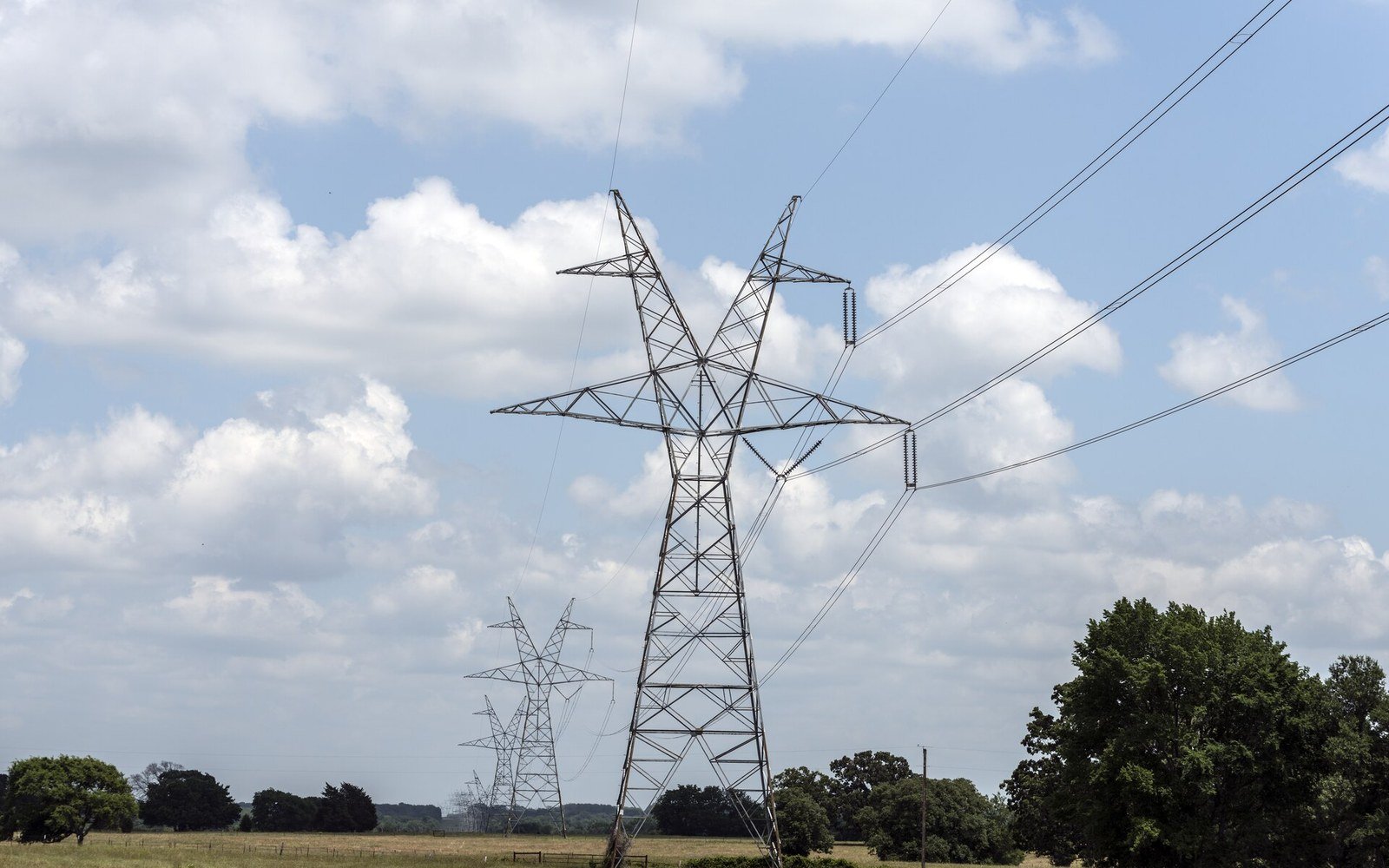
Requests from very large power users across parts of the Midwest, the Mid-Atlantic and the South now exceed 700 gigawatts, more than ten times the electricity the American data centre industry is estimated to use today. Texas has frozen new grid connections for these projects while it audits them, and the utilities that have started asking for money up front are watching large parts of their pipelines disappear.
There is a number circulating in American energy planning that cannot be true. Across portions of the Midwest, the Mid-Atlantic and the South, applications to connect very large loads, almost all of them data centres, add up to more than 700 gigawatts. That is roughly what it takes to power every home in the United States, and more than ten times what the data centre industry is thought to draw at present. In Texas alone, connection requests from data centres and other large users have gone from about 48 gigawatts in 2023 to more than 474 gigawatts.
The Governor's direction records that 474 gigawatts is more than five times Texas's record peak demand, and that around 90 per cent of the new requests are data centres. Texas has become the first large data centre market to stop the queue and look at it.
What the audit actually asks for
On 3 August the Governor directed the Public Utility Commission of Texas and the grid operator, ERCOT, to verify and audit every data centre moving through the interconnection process, and to complete that work before any project proceeds. Building on an earlier direction of 10 June, each project must now disclose the ownership and controlling interests behind it, rather than an affiliate; every tax incentive, grant or abatement it has received or expects; its projected annual and peak electricity use and any on-site generation; its projected annual and peak water use, its water sources and its cooling technology; and its measures on noise, lighting, setbacks, traffic and emergency response.
Our top priority is to protect Texans' safety and quality of life. Any project that fails to comply with the requirements set forth by the PUCT and ERCOT, and by state law, must be denied connection to the Texas grid. Simply put, Texans must come first.
Greg Abbott, Governor of Texas
Where the demand goes when somebody asks for a deposit
The clearest evidence that much of this is queue positioning rather than construction is what happens when money is required. Exelon cut its tally of high-probability data centre demand by about 40 per cent, to 11 gigawatts, after bringing in stricter collateral requirements, and said so in an investor presentation on 30 July. In Ohio, AEP Ohio's data centre pipeline fell by more than half after state rules introduced connection study fees of up to 100,000 dollars. Pennsylvania offers the same arithmetic from a different direction: of more than 100 data centres proposed in that state, only 20 have applied for the permits they need, and an executive order signed on 18 August now imposes stricter permitting on projects of 25 megawatts and above.
None of this means the load is imaginary. Even after the cuts, the substantiated requests are more than the networks can carry, and the cost is already landing on other people. Across the 13 states of the PJM Interconnection, capacity costs rose by 29.4 billion dollars over roughly the last four auctions, which the grid monitor attributes to growth in existing and forecast data centre demand.
I think part of what (Texas) is trying to do is to create some order, and impose some transparency, on an industry that in much of the country is still like the Wild West.
Tyson Slocum, director of the Energy Program at Public Citizen
Why this belongs on a construction desk
Because a connection queue is not an order book, and the people who will be asked to build these schemes are being sized against the queue. Contractors recruit, buy switchgear, take options on land and price framework agreements off pipeline numbers that nobody has tested. A developer with no land, no funding and no customer can sit in a queue as cheaply as one that has all three, and the same project can occupy several queues at once. The Texas audit is, in effect, a due diligence exercise being run by the buyer of last resort on a pipeline the supply chain has already priced.
There is a second point for anyone drafting for this market. Where a contract is conditional on a grid connection, the question worth asking now is which party carries the risk that the connection is refused because the developer could not answer the state's questions.
Around 700 billion dollars of artificial intelligence data centre spending is planned by the largest technology companies this year. The audits will show how much of the queue behind it was ever real.