
World News
Starmer stands down as an MP and a London by-election follows
By Staff Writer | 2 September 2026
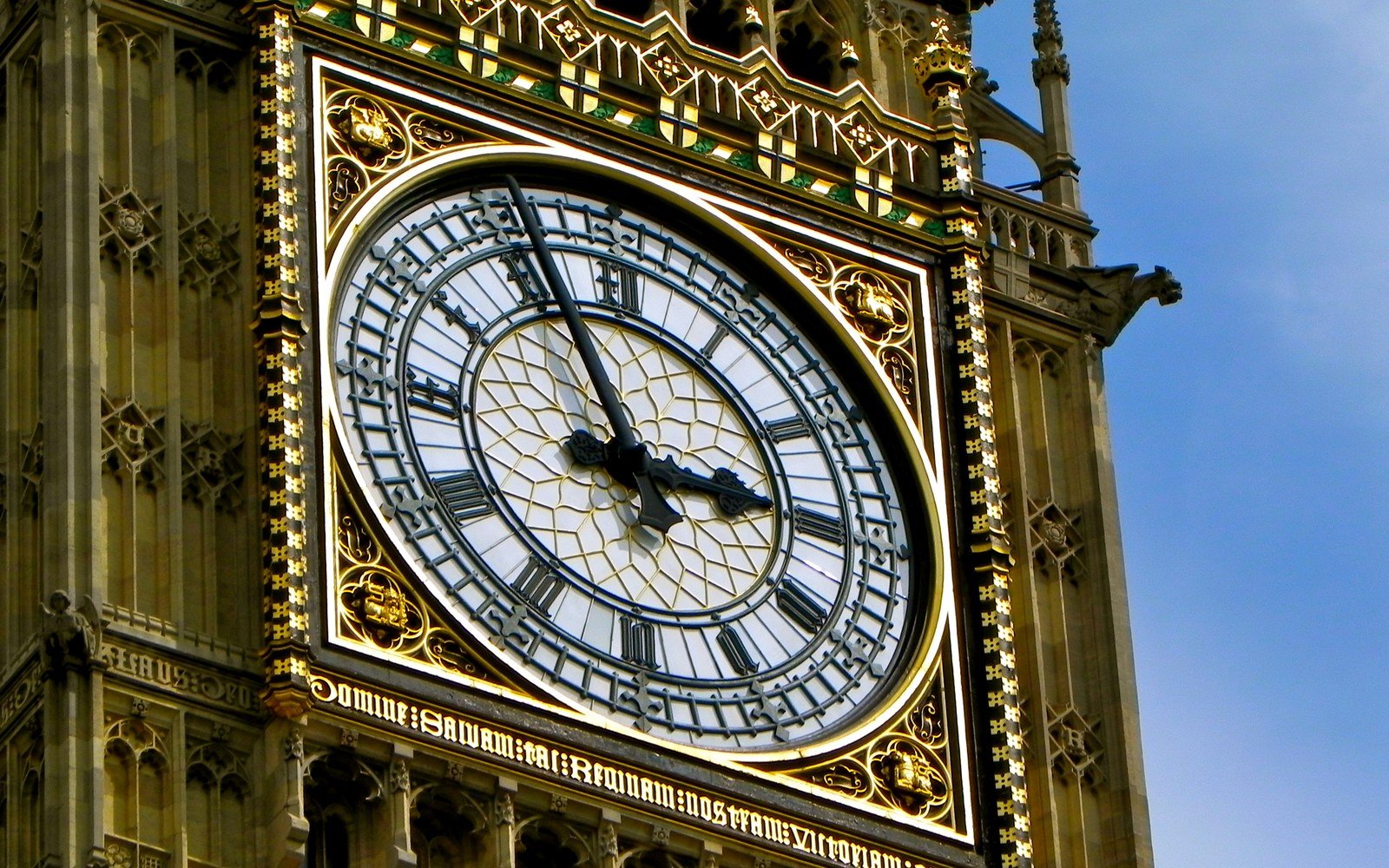
The former Prime Minister announced on 1 September that he is leaving the Commons seat he has held since 2015. The selection of a Labour candidate runs to 9 September and the poll date is not yet fixed.
Sir Keir Starmer said on 1 September that he is standing down as the Member of Parliament for Holborn and St Pancras. He has held the seat since 2015, and he kept it when he left Downing Street in July after Andy Burnham was elected Labour leader and succeeded him as Prime Minister. His departure from the Commons triggers a by-election in a constituency created in 1983 that has never been held by any other party.
Over the summer, I have had time to reflect and consider my future. I have decided that now is the right time to step down as MP for Holborn and St Pancras and hand the baton over to a successor.
Sir Keir Starmer
Speaking separately to a local title in the constituency, he put the length of his tenure alongside that of his predecessor.
It has been a huge honour and privilege to represent the best constituency in the country and to have taken over from Frank Dobson, who was such a great constituency MP and a member of the last Labour government.
Sir Keir Starmer
What happens next, and in what order
The seat does not fall vacant because a member says so. The sequence runs through the Commons. The Chief Whip of the outgoing member's party moves the writ, which is a motion asking members to agree that a new election be held. If the House agrees, the motion becomes an Order for the Speaker, who issues a Warrant to the Clerk of the Crown, who in turn sends the writ to the Returning Officer. The poll must then be held between 21 and 27 working days from the issue of the writ. The sitting member remains in place until a successor has been elected.
No writ had been moved at the time of writing, so no polling date exists. Any date circulating before the writ is issued is an estimate of when a motion might be tabled, not a date on which anyone can yet vote.
The party machinery has moved faster than the parliamentary machinery. Applications to stand as the Labour candidate opened on 1 September and close at noon on 4 September. Due diligence checks and interviews follow, then hustings, with a selection meeting on 9 September.
A tribute from the successor
Andy Burnham, appearing in the Commons for the first time since becoming Prime Minister, said his predecessor had "given this country a lifetime of public service".
Sir Keir set out what he intends to do next in the same statement, naming international affairs including defence, security, trade and technology, and continued work on violence against women and girls. He said he would give his full support to the Labour candidate selected in the seat and to the government.
For readers whose work turns on the parliamentary timetable rather than on party politics, the practical point is narrow and worth holding on to. A resignation announcement is not a vacancy, a vacancy is not a writ, and a writ is not a polling day. Three separate steps sit between the statement made on 1 September and the moment anyone in Holborn and St Pancras is handed a ballot paper, and only the first of them has happened.