
UK Construction
Scotland moves to make Passivhaus the rule for new homes
By Staff Writer | 25 July 2026
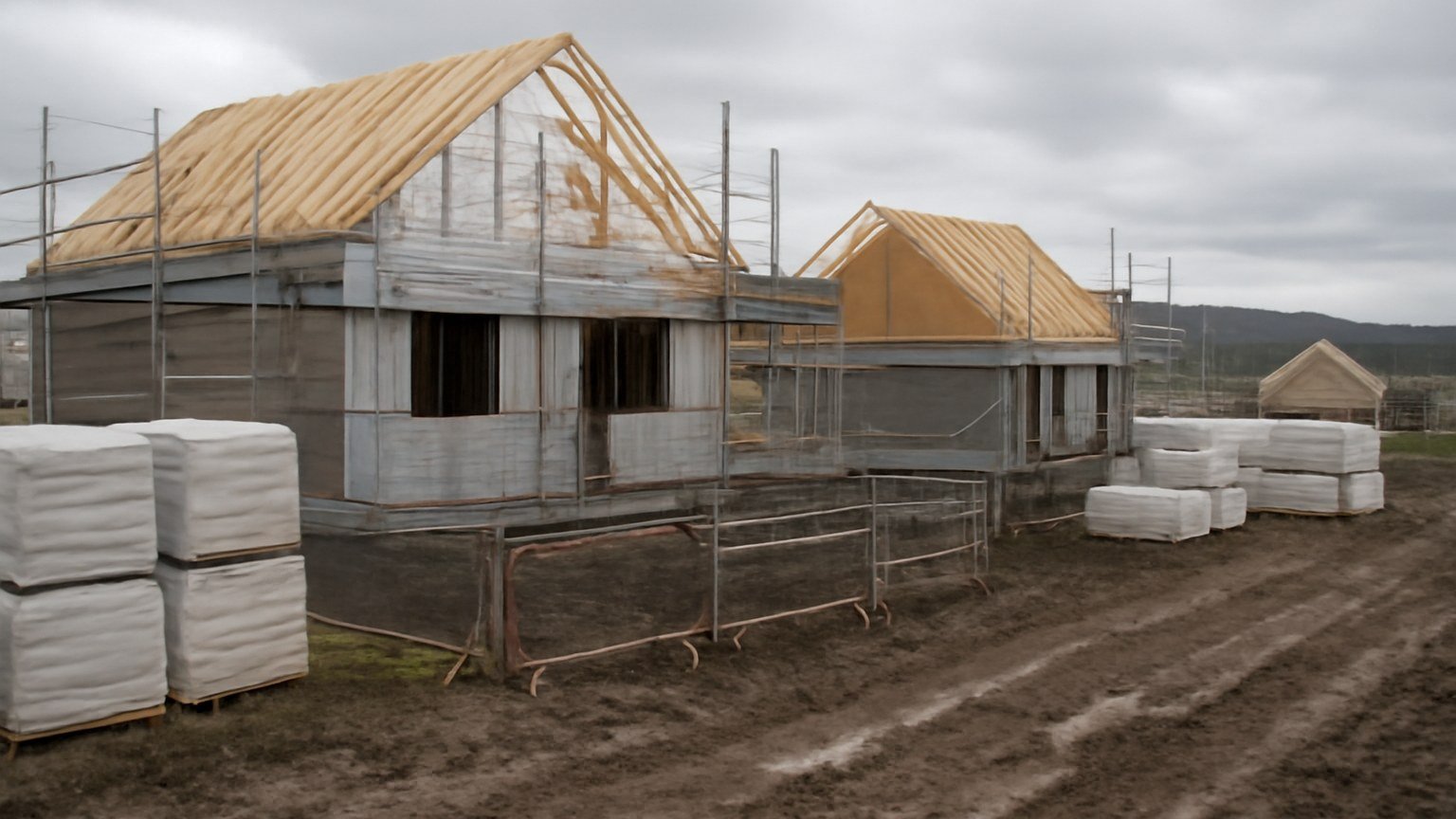
Scotland has opened a fresh consultation on building regulation changes that would create a Scottish equivalent to the Passivhaus standard. The consultation was published on 24 July 2026 and closes on 16 October 2026.
The proposals cover energy and environmental standards in Scottish building regulations. They include delivered energy, space heating demand, new dwellings, new non-domestic buildings, ventilation, indoor air quality, overheating, compliance and assurance.
For contractors, designers and housing clients, the practical question is not whether Passivhaus is a familiar label. It is whether future Scottish rules change design duties, buildability assumptions, testing, commissioning and evidence of compliance.
Our Stage 1 consultation showed broad support for a standard that is ambitious, achievable and deliverable.
Shirley-Anne Somerville MSP, Cabinet Secretary for Social Justice and Housing
The compliance file will matter
The consultation is not only about fabric performance. The foreword links better building performance with indoor air quality, construction quality and assurance. That points to a bigger paper trail than a design-stage calculation.
A standard that depends on measured performance needs clear responsibility for design inputs, specification control, workmanship, airtightness testing, ventilation commissioning and handover information. Weak records at any of those points can become a contract problem.
The consultation also separates new dwellings from new non-domestic buildings. That distinction matters because schools, healthcare buildings, offices and homes do not carry the same use patterns or overheating risks.
If tougher energy standards arrive, the argument will not stop at whether the design looked compliant. It will move quickly to who had to prove performance, when, and using what evidence.
Housing delivery is part of the test
The consultation acknowledges the pressure to accelerate housing delivery. That matters because better performance standards can add design work, supply-chain checks and inspection stages unless the route is planned early.
Developers and public-sector clients should look now at standard specifications, consultant scopes and appointment wording. Contractors should check whether proposed obligations are output obligations or merely duties to build to supplied designs.
There is also a procurement point. If the market needs different products, better testing capacity or more specialist advice, clients will need to allow for that before tender. Leaving performance risk undefined will only move the dispute into the contract administration phase.
Responses are open until 16 October. The firms most exposed are the ones that wait until tender stage before deciding who owns the performance risk.