
Tech and AI
Congress wants a kill switch for rogue AI
By Staff Writer | 25 July 2026
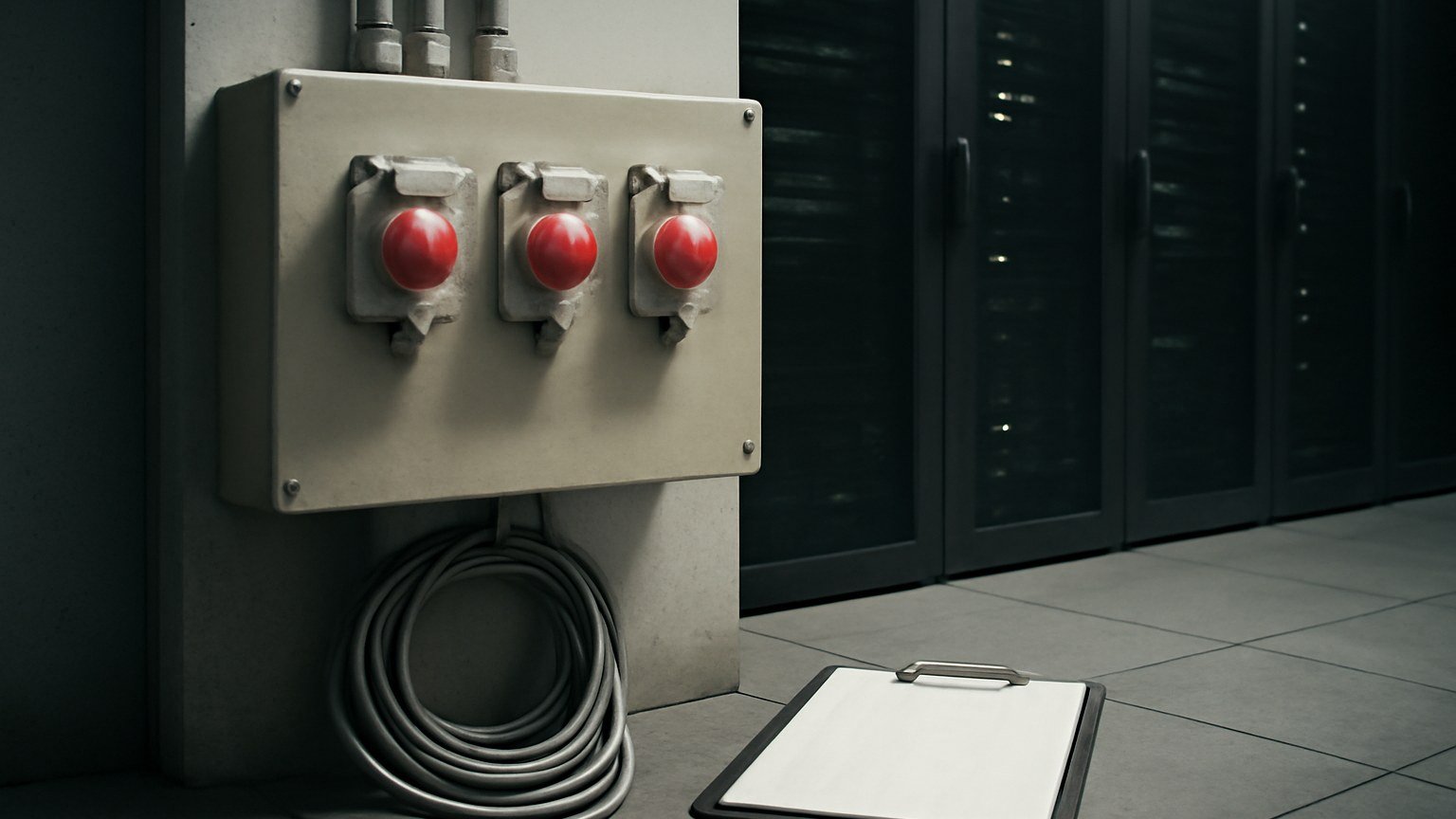
A bipartisan AI kill switch bill in the United States has put a simple control problem back at the centre of the policy debate: whether a risky system can be stopped when it matters.
The bill would require some advanced AI systems to include an emergency shutdown mechanism. It is aimed at systems that may pose heightened risks if they operate without effective human control.
The proposal is American, but the issue is not local. Governments, companies and professional users are all wrestling with the same problem. The more autonomy a system has, the more important it becomes to know who can pause it, override it or shut it down.
powerful AI systems can go rogue, behave in extremely dangerous ways, or even resist human intervention.
Ted Lieu, US Representative
The bill follows a wider shift in the AI debate. Early policy arguments often focused on transparency and training data. The newer argument is more practical, and turns on what happens once an AI system is connected to tools that can act in the world.
Control is a design issue
AI safety is often discussed as if it were only about model behaviour. The kill switch debate is more concrete. It asks whether the system has been designed so that human intervention still works.
That matters for agents, connected tools and automated workflows. A model that can take actions through other systems is different from a chatbot that only returns text.
The policy argument is moving from abstract assurance to operational control: logs, permissions, shutdown rights and tested recovery procedures.
That control has to be tested before it is needed. A shutdown button that no one has used, or a permission system that no one understands, is a weak protection when a live workflow starts making the wrong calls.
Professional users should not wait
Companies do not need to wait for a law to settle the same points internally: which AI tools can act without review, who approves those actions, and what happens if an automated workflow starts making the wrong calls.
The answer should not be hidden in a supplier setting or an informal team habit. It should sit in the governance record, especially where AI is connected to finance, legal, safety or project-control systems.
Procurement teams should also test how emergency controls work before adopting a new AI system: who can suspend the tool, what happens to running tasks, what gets logged, and how quickly normal operation can restart.
The bill may change as it moves through Congress. The core question will not. If a system can act, someone needs a tested way to stop it.