
Middle East Business
Abu Dhabi galvanising bath takes 825 tonnes of zinc ahead of September production slots
By Staff Writer | 21 August 2026
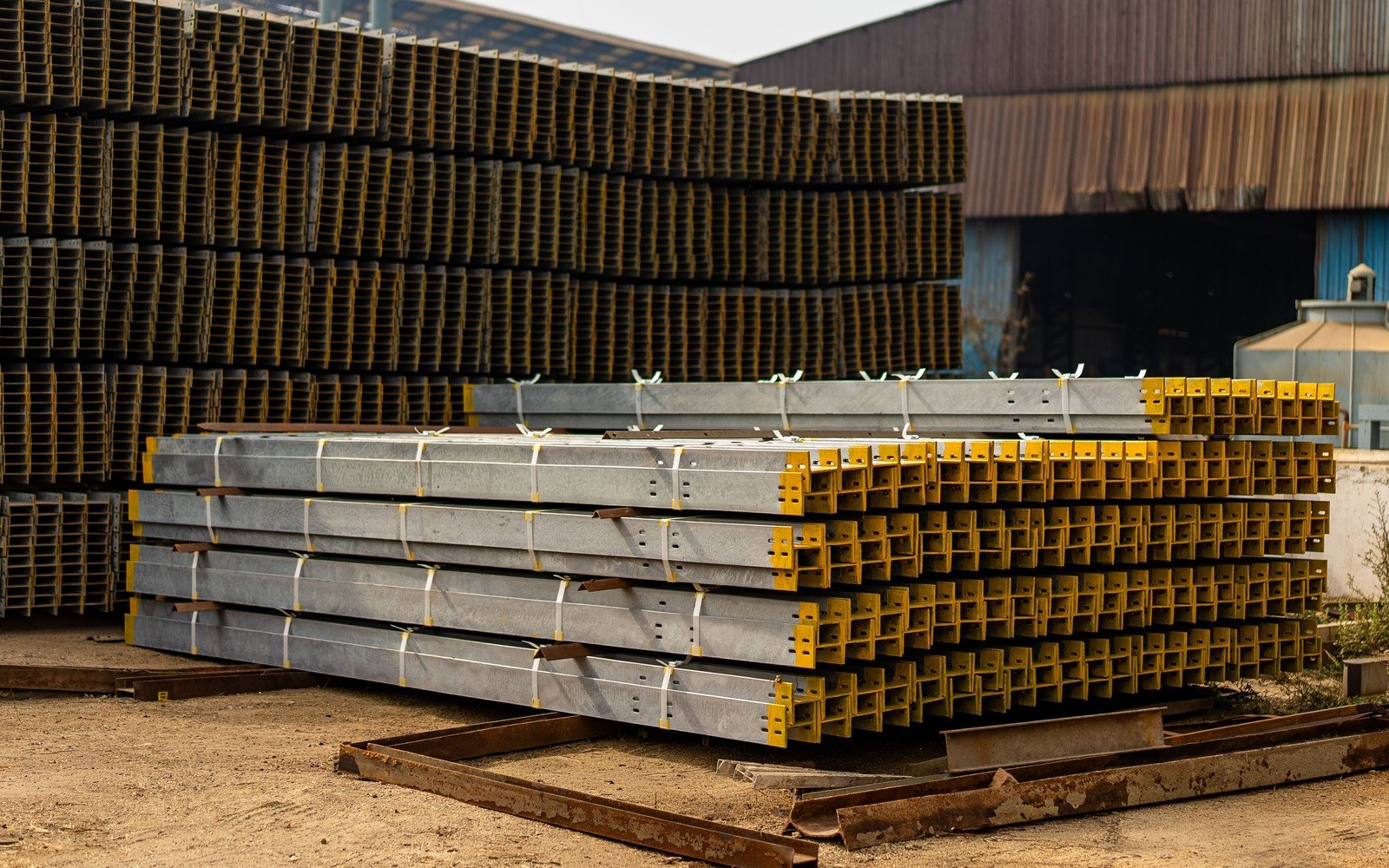
The 16.2 metre kettle at Kezad will hold 610 tonnes of molten zinc and treat structures up to 5.5 metres by double dipping, removing the need to cut large steelwork down or send it out of the emirate.
Galva Hub Metal Coating has taken delivery of 825 tonnes of zinc at its facility in Metal Park, inside Khalifa Economic Zones Abu Dhabi, ahead of the initial meltdown of what the companies describe as the largest hot dip galvanising kettle in the country. Commissioning is expected to continue through August, with production slots offered from September.
The kettle is 16.2 metres long and will hold 610 tonnes of molten zinc at about 450 degrees Celsius, with capacity to galvanise up to 150,000 tonnes of steel a year. Double dipping will allow structures of up to 5.5 metres to be treated. The stated target items are beams, columns, transmission and lighting poles, bridges, telecommunications towers and port infrastructure.
Bringing 825 metric tons of zinc into KEZAD means the UAE's largest steel structures no longer have to be cut down or shipped away to be protected properly. That capability now sits inside one ecosystem, minutes from the fabricators who need it and close to Khalifa Port.
Vahid Fouladkar, Chief Executive Officer of Metal Park
Cutting a member to fit the bath is a design decision
The 5.5 metre double dipping figure is the one a designer should take from this. Where the nearest bath cannot take a member whole, the options are to splice it, to ship it, or to specify a different protective system, and each of those carries a cost that lands somewhere in the contract.
Splicing a member so that it fits a galvanising bath introduces a connection that the frame did not need. It has to be designed, fabricated, inspected and protected, and where it later fails or corrodes, the question of who chose to introduce it becomes a live one.
Long span members, transmission poles and bridge sections are precisely the elements most likely to exceed bath dimensions, which is why they are named. Double dipping is itself a process with consequences: the member enters the zinc twice, the thermal cycle is repeated, and distortion and the appearance of the overlap band are both recognised outcomes rather than defects, a point worth settling in the specification before the first delivery rather than on the first rejection.
The standards named, and what they do not cover
The process is described as cleaning and fluxing before immersion in molten zinc, followed by cooling and inspection in accordance with ISO 1461 and ASTM A123. Those set coating thickness and inspection requirements. They do not govern the design of the item for galvanising, which is a separate discipline covering vent and drain holes, the avoidance of sealed sections and the treatment of faying surfaces in friction grip connections, and it is where most galvanising disputes on structural steel actually start.
Neither standard addresses programme. A galvanising bath is a batch process with a queue, and a fabricator who has priced a coating operation two hours from site rather than in another country has bought programme certainty as much as cost. The initial meltdown alone is expected to take several days to bring the zinc to temperature, after which the kettle is to run continuously.
The plant is stated to use lead free zinc, zinc recycling, fume treatment and heat recovery that can cut fuel consumption by up to 30 per cent. No figure has been published for the plant's throughput in its first year, no price basis has been given, and the operator has not said how the September slots will be allocated between fabricators. Until it does, 150,000 tonnes is a rated capacity rather than available capacity, and those are not the same number when a project programme depends on getting into the queue.