
World News
The UAE has suspended all trade and financial transactions with Iran until further notice
By Staff Writer | 20 August 2026
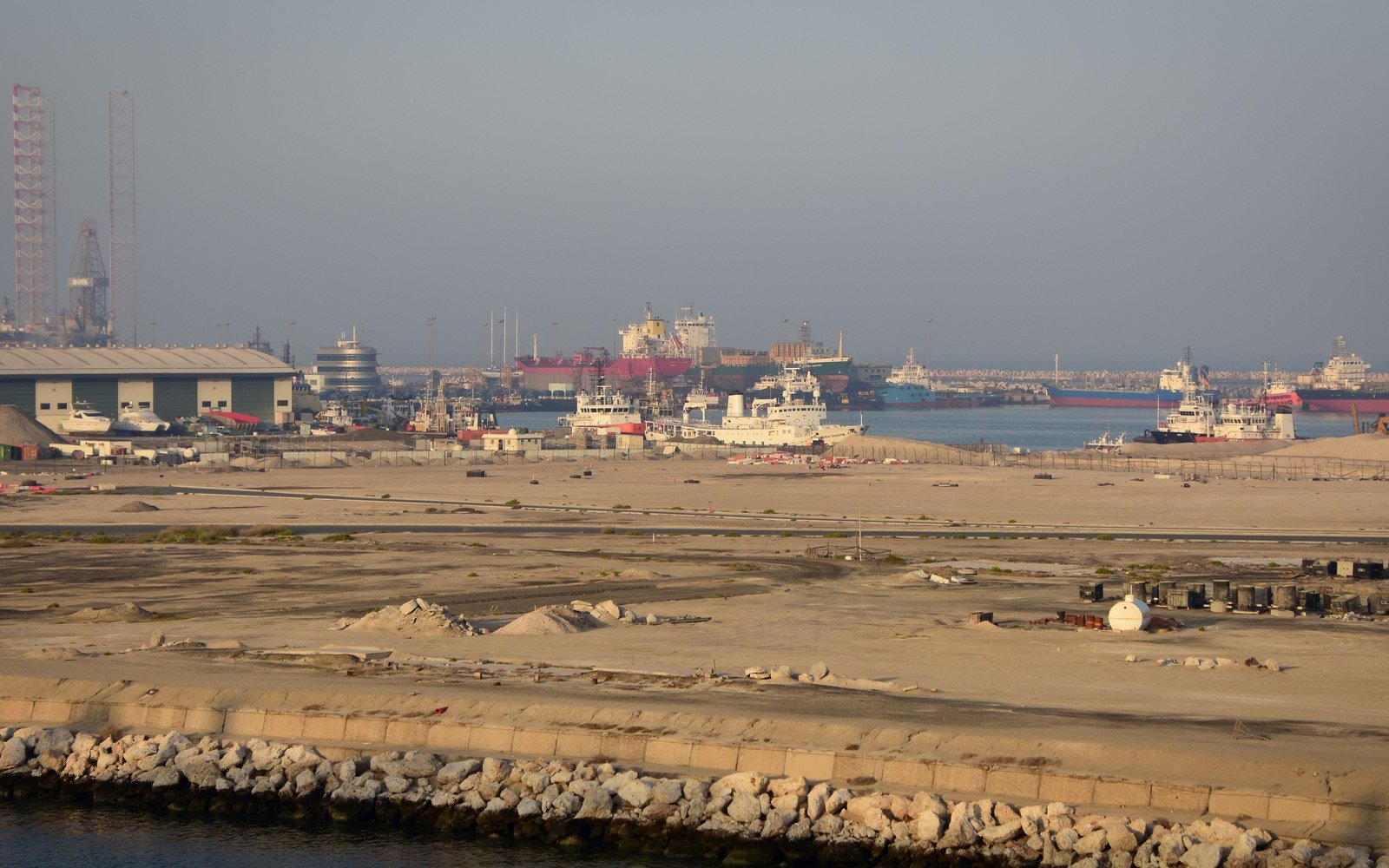
The foreign ministry said the step was taken in light of the regional escalation. It follows the interception of two ballistic missiles on 18 August, one of which fell outside the country and the other within its territorial waters.
The United Arab Emirates has suspended all trade and all financial transactions with Iran until further notice. The decision was announced by the Ministry of Foreign Affairs, whose Director of the Strategic Communications Department, Afra Al Hameli, set out the reason for it and rejected what she described as allegations about the state of the economic relationship between the two countries.
in light of the regional escalation that has undermined regional and international peace and security
Afra Al Hameli, Director of the Strategic Communications Department at the Ministry of Foreign Affairs
The announcement is open ended. No date has been given for a review, no category of goods has been carved out of it, and no distinction has been drawn between direct trade and trade routed through a third country. For a professional working on a contract with any Iranian counterparty, or with a supply chain that touches one, the position as it stands is that the whole of it is stopped.
What preceded it
The suspension was announced hours after air defence forces dealt with two incoming ballistic missiles on Tuesday 18 August. One fell outside the country and the other fell within its territorial waters. The Ministry of Defence later confirmed that the attacks had been aimed at maritime navigation rather than at a land target.
Residents received an emergency alert on their phones for the first time in more than five weeks. The alert was lifted within a few minutes.
The country has been the most heavily targeted in the region since the war began on 28 February, with close to 3,000 missiles and drones directed at it. Attacks on it stopped after a memorandum of understanding between the United States and Iran took effect in June, and Tuesday's interception was the first since that pause.
The waterway behind it
The wider dispute is over the Strait of Hormuz, which both the United States and Iran now claim to control. Tehran's stated position is that the strait stays closed until it reaches an agreement with Washington. The US president has published a map of the waterway captioned as new United States territory, and said on Tuesday that there are no talks under way with Iran and none scheduled.
That combination, a closed strait and no negotiation, is what the ministry's phrase about regional escalation refers to. Almost every cargo that moves between the Gulf and the wider world moves through Hormuz, and a suspension of trade with the country sitting on its northern shore follows from the closure rather than from any separate quarrel.
What is not yet known
Neither the duration of the suspension nor the mechanism for lifting it has been published. Nothing has been said about existing contracts, about payments already in transit, or about goods in bonded storage. Those are the questions a contractor or a supplier will have first, and the answers to them are not in the announcement.
Until they are, the only firm facts are the ones the ministry has given: all trade, all financial transactions, until further notice.