
World News
Nuclear inspectors go into Deir Ez-Zor as Syria puts newly declared material under safeguards
By Staff Writer | 19 August 2026
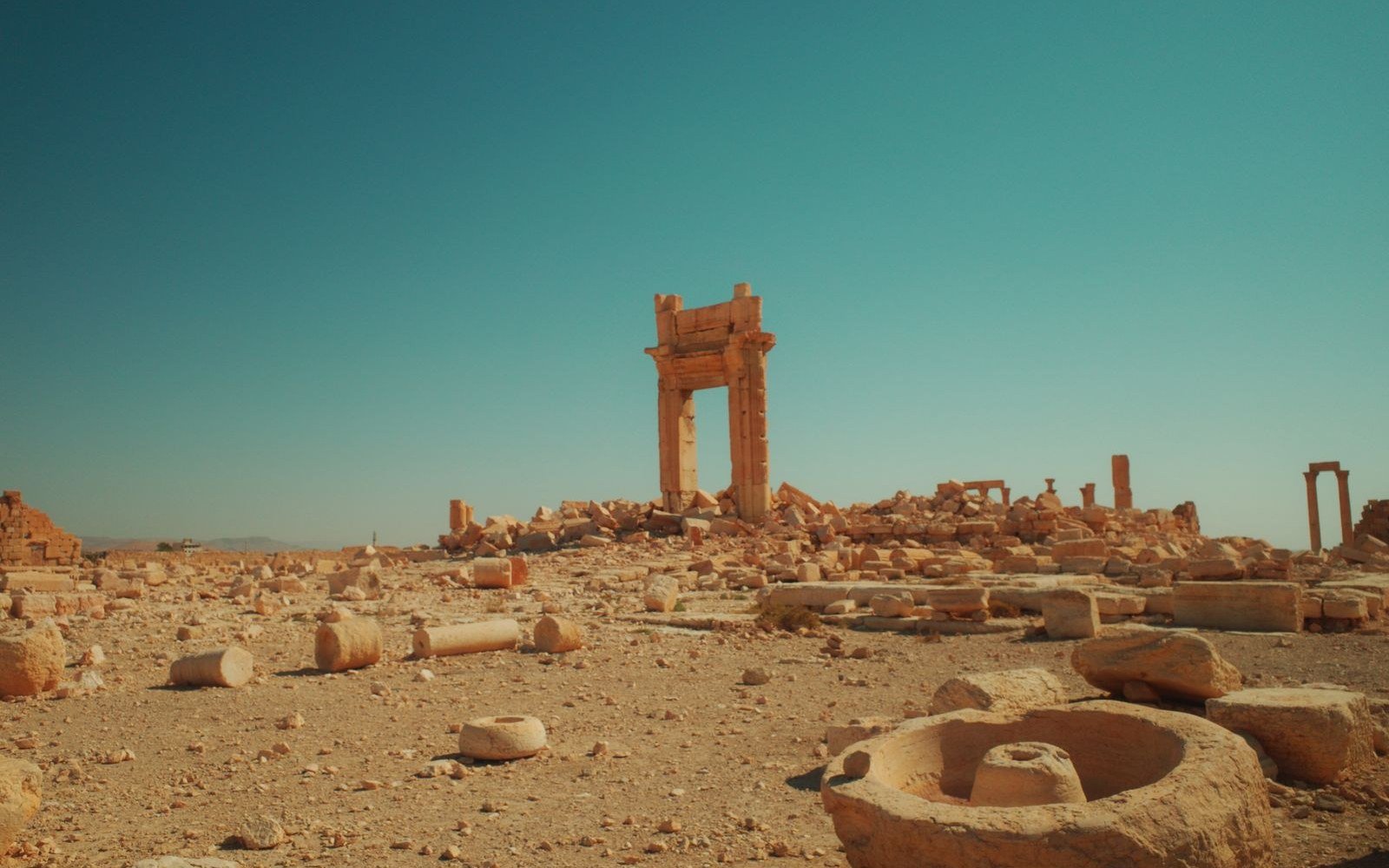
The head of the International Atomic Energy Agency spent two days in Syria and visited the site struck in 2007, where excavation is under way. A second location holding nuclear material declared by Syria in July was also visited.
Inspectors are digging at Deir Ez-Zor. Rafael Mariano Grossi, director general of the International Atomic Energy Agency, visited Syria on 17 and 18 August at the invitation of the government, went to the site in the eastern province and to a second location, and said afterwards that excavation and exploration work was in progress there. The agency and the Syrian foreign ministry issued a joint statement at the end of the visit describing it as the largest step so far towards resolving safeguards questions that have been open for close to two decades.
We're talking about a few tons of nuclear material that could be put to bad use and Syria has decided to open up this site to the inspectors of the IAEA
Rafael Mariano Grossi, Director General of the International Atomic Energy Agency
The second location is the newer part of the story. Syria made a declaration on 17 July this year about nuclear material at a place it had not previously declared, and the agency has now carried out an initial verification there. Grossi said the material would be accounted for and brought within the international safeguards system. He also said another site holding nuclear material had been found, without giving details.
Custody stays in Damascus
The Syrian position, set out at the same news conference, is that cooperation does not mean surrender of the material.
Syria confirms, based on technical evaluations, that this material does not pose any danger
Asaad Hassan Al-Shaibani, Minister of Foreign Affairs and Expatriates of the Syrian Arab Republic
The minister said the material would remain in Syrian custody and would remain subject to the agency's safeguards system. In the joint statement he reaffirmed the country's commitment to the Non-Proliferation Treaty and to full implementation of its safeguards agreement, and said Syria had raised these matters with the agency on its own initiative. The statement also records the support of the interim president, Ahmed Al-Sharaa, for the agency's verification work.
What happened at Deir Ez-Zor
The site became publicly known in 2007, when Israeli aircraft struck and destroyed a facility there. Syria afterwards levelled the ground and never answered the agency's questions about what had stood on it. Inspectors were allowed to take samples at three locations in 2024, and in 2025 the agency reported traces of uranium at one of them. The government that ran the undeclared programme was removed in December 2024, and the administration that followed has opened the sites.
Excavation at Deir Ez-Zor is being carried out by Syria, with the agency observing. The work continues to a timetable the two sides have agreed, and the agency will report its findings to its Board of Governors at the earliest date it can.
The two sides say the remaining steps will be carried out without delay, with a view to the Board considering the file at its forthcoming session. They also agreed to widen cooperation into the peaceful uses of nuclear science and technology, which Syria has said it wants to develop for energy.
The reading for anyone working on the ground
Two things follow for firms weighing Syrian work. The first is that a safeguards file moving towards closure at the Board is one of the conditions on which sanctions relief and export licensing for controlled goods are argued. It does not deliver either, but it removes an argument against both. The second is narrower and immediate. A declared site under active excavation, with an international inspectorate observing and a written timetable, is a controlled environment with documented access arrangements. That is a different proposition from an undeclared one, and it is the difference between a site that can be surveyed and a site that cannot.