
UK Construction and Law
Homes England will put nature criteria into land deals and supplier contracts
By Staff Writer | 31 August 2026
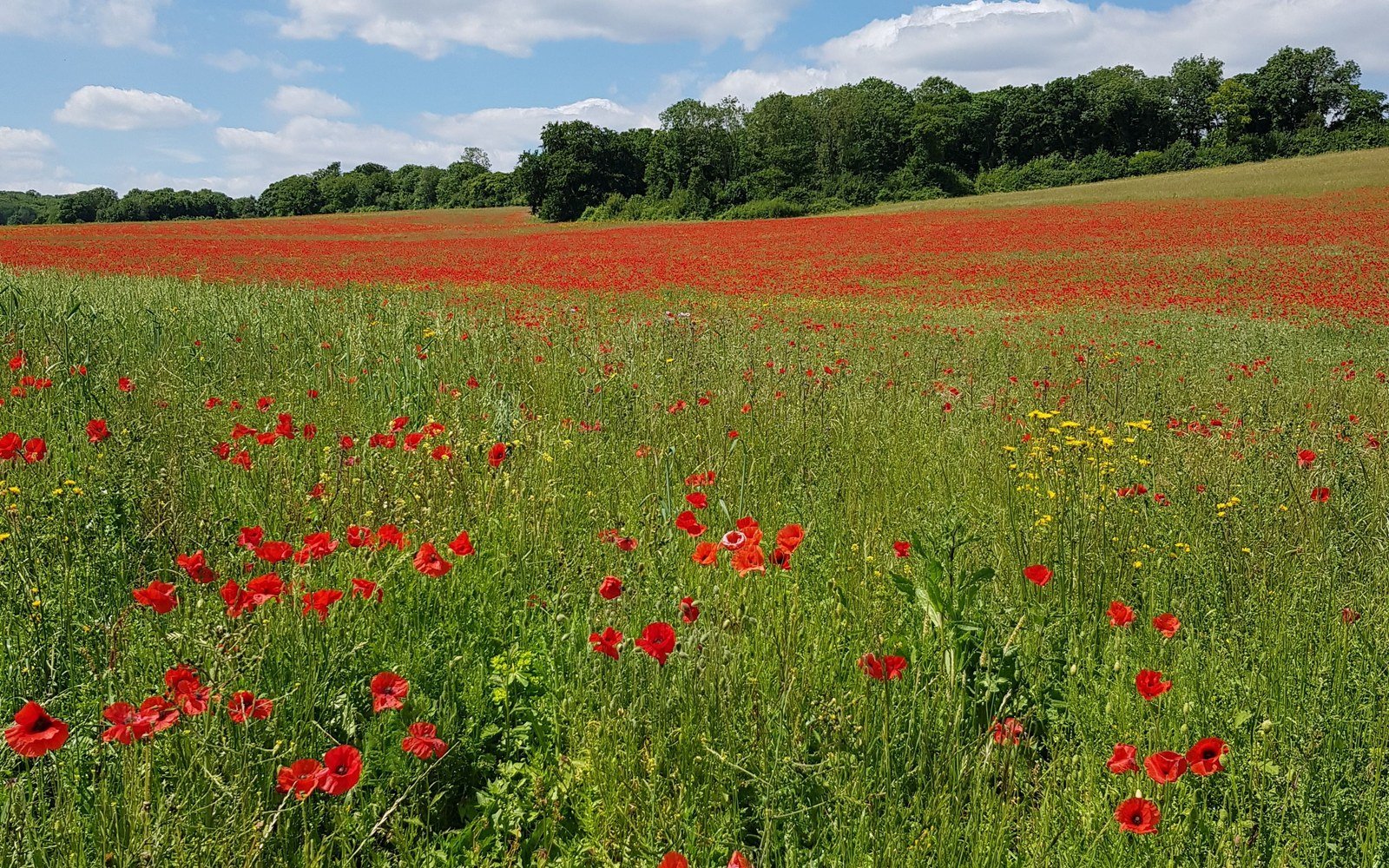
The agency published its first Nature Positive Plan on 26 August. Nine goals commit it to contract clauses for suppliers, nature criteria for partners taking its land, a rule against acquiring ecologically designated sites for built development, and a requirement that every developer on its sites delivers features for native species.
The government's housing and regeneration agency is one of the largest landowners in the development market and one of the largest buyers of consultancy and construction services in it. On 26 August it published its first plan for how nature is to be treated across that estate and that supply chain. Most of it reads as strategy. Four of the nine goals do not, and those are the ones that will turn up in documents.
The commitments with contractual teeth
The second goal deals with commercial activity. The agency says it will promote nature outcomes through a sustainable commercial policy, and that where it has direct influence it will use commercial policy and contract clauses to ensure suppliers contribute to its nature goals. It adds that when providing land opportunities it will ask partners to fulfil nature-related criteria to achieve higher standards. Anyone tendering to the agency, or bidding for its land, should expect those criteria to appear in the tender documents rather than in a policy annexe.
The fourth goal is an acquisition rule and it is stated flatly. The agency will not acquire sites for built development that are identified for their ecological importance. That covers habitats sites, meaning Special Protection Areas, Special Areas of Conservation and Ramsar sites, together with Sites of Special Scientific Interest and Sites of Importance for Nature Conservation, which many authorities call Local Wildlife Sites. It also covers any site where built development would directly impact irreplaceable habitat, which the biodiversity net gain regulations define and which includes ancient woodland.
The fifth goal reaches developers directly. Every developer that builds on the agency's sites will identify and deliver a suite of features to support native species, tailored to the location. Pollinator-friendly planting is to be a requirement of detailed design. Existing woodland cover is to be protected. Nature recovery is to be designed in from the earliest stages of planning rather than negotiated at reserved matters.
The seventh goal points the other way. More than thirty of the agency's non-development sites have already been surveyed to see whether they could deliver biodiversity net gain and other environmental benefits, and the most suitable will be taken forward for the agency's own schemes or for those of partners. That is a public landowner preparing to supply off site units into a market where price and availability are the practical constraint on any scheme that cannot deliver its gain on site.
This is our first Nature Positive Plan. It is a beginning, recognising how we depend on nature, and playing our part in reversing its decline.
Alison Crofton, Chief Regional Delivery Officer at Homes England
The rest of the plan
The remaining goals are internal. The agency has assessed its own nature-related impacts and dependencies and will feed the findings into its risk management. It will endorse initiatives in the sector and use what the document calls its soft power on partners who are further behind. It will protect the designated sites it already manages, including a Site of Special Scientific Interest in Kent, and review its use of pesticides and its control of invasive species. It will train all staff on the basics of biodiversity, with tailored training for those in planning, site management, sustainability, development finance and affordable housing. And it will build spatial data on habitats, protected species and invasive species across the portfolio.
An internal action plan, not published with the document, sets out the specific actions, timescales and resources for the next two years.
Why it matters commercially
Statutory biodiversity net gain sets a floor of 10 per cent. What this document does is signal that on agency land the floor is not the deal. The criteria attach at disposal, the features attach at design, and the clauses attach at contract. For a housebuilder pricing an agency site, the questions are how the nature criteria will be scored at bid stage, whether they are conditions of the land contract or aspirations in the marketing pack, and what the suite of features in the fifth goal costs per plot when it is specified rather than offered. None of that is answered here, and all of it will be answered in the next set of tender documents.