
Middle East Business
Saudi home ownership passed 66 per cent last year, and the rules for foreign buyers are now written down
By Staff Writer | 30 August 2026
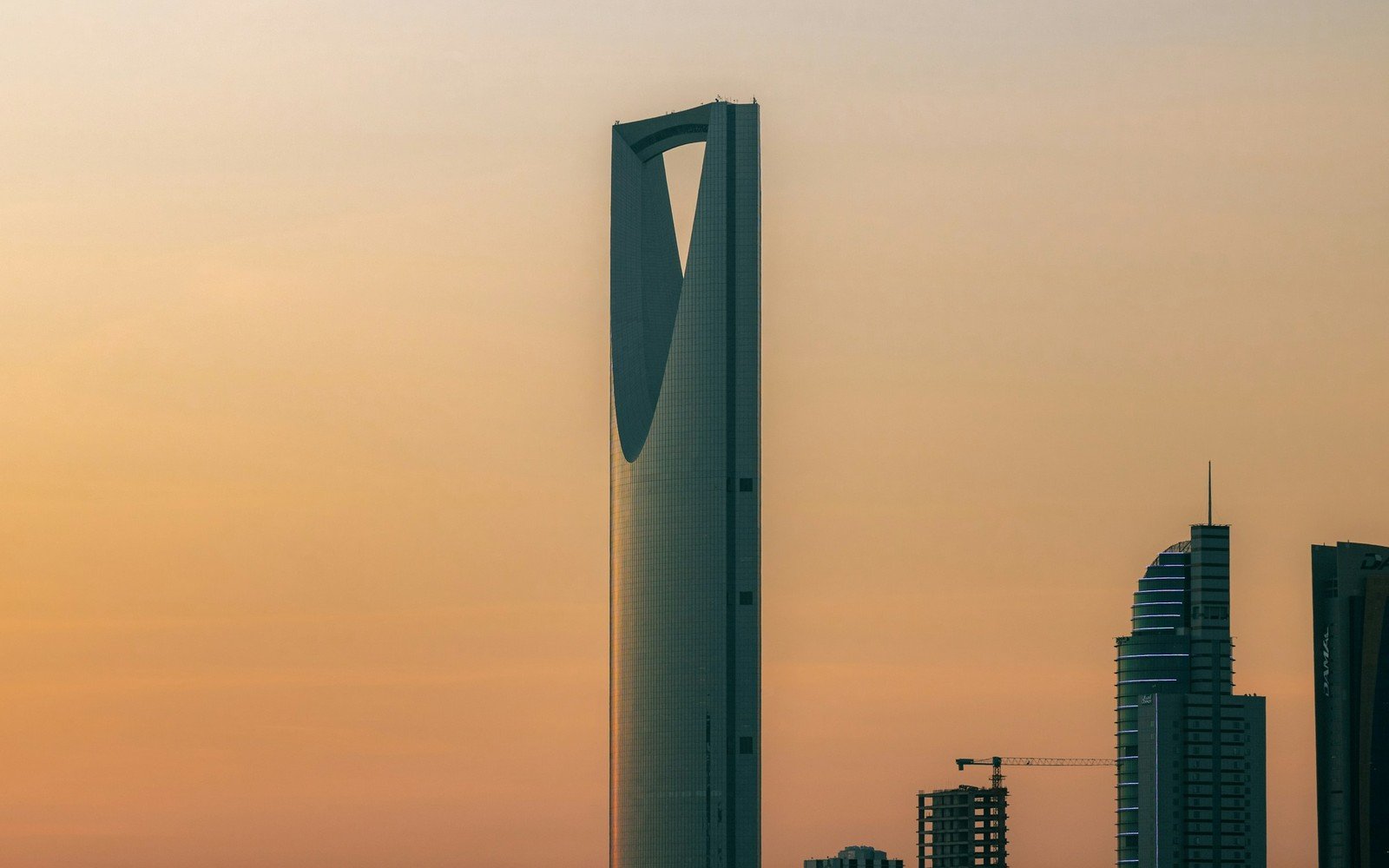
The national rate reached 66.24 per cent against an annual target of 65 per cent, with 107,000 homes and serviced plots delivered, and the implementing regulations for ownership by non-Saudis now published.
Saudi Arabia's home ownership rate reached 66.24 per cent in 2025, on figures published on 29 August. That is above the 65 per cent the year had been set, and it leaves the rate 3.76 points short of the 70 per cent the Kingdom has set itself for 2030. During the year, 107,000 housing units and developed land plots were provided.
Two numbers in that paragraph do different work. The rate is an outcome, and it moves slowly because it is a proportion of every household in the country. The 107,000 is a delivery figure, and it is the one a contractor reads, because it is the volume that had to be designed, serviced, built and handed over inside twelve months to move the first number at all.
The gap that has to be built
The National Housing Company, which acts as the public sector's delivery arm, says its real estate portfolio reached SAR250 billion at the end of 2025, and that it is targeting a portfolio above SAR500 billion and more than 600,000 residential units by 2030. Its chief executive set the sector out this way.
Saudi Arabia's real estate sector is experiencing rapid growth, driven by rising demand for homeownership and growing investor confidence in the market. NHC continues to lead this transformation as the region's largest real estate developer, placing quality of life at the forefront of its priorities by creating integrated urban communities that embody a modern, sustainable lifestyle.
Mohammad Albuty, Chief Executive, National Housing Company
Doubling a portfolio and building 600,000 homes inside four years is a programme, not a forecast, and programmes of that size are won and lost on procurement route and on how early the ground conditions are known.
The rules for buyers who are not Saudi
The second development is regulatory rather than physical. The implementing regulations to the Law of Real Estate Ownership by Non-Saudis have been published. They set out how foreign individuals, companies and other entities may acquire real estate and property rights in the Kingdom, covering eligibility, registration and the ownership requirements that attach.
For anyone advising a developer, that is the more consequential of the two announcements. A stated route to ownership changes who can appear on the buyer side of a residential scheme, and it changes the assumptions behind a sales rate, a phasing plan and a funding structure. Until the eligibility and registration steps are set down, a foreign purchaser is a possibility that cannot be underwritten. Once they are written, it becomes a segment that can be sized.
What the record does not say
The published material does not break the 107,000 down between completed housing units and developed land plots, and it does not give a regional split. It does not say when the non-Saudi ownership regulations begin to show in the ownership figures, and it does not put a number on expected foreign purchases. None of that is estimated here.
Two indicators of demand were published alongside the rate, both drawn from last year's national property exhibition rather than from the market as a whole: 62 per cent of visitors were active home seekers, and 42 per cent of buyers were interested in property valued between 300,000 and 2.6 million dollars. They describe the people who attended an exhibition, which is not the same population as the country, and they should be read that way.
The next figure worth waiting for is the 2026 rate, because it is the first that will be measured with the foreign ownership route already written down.