
World News
Wildfires across Europe are setting off munitions buried since the world wars
By Staff Writer | 24 August 2026
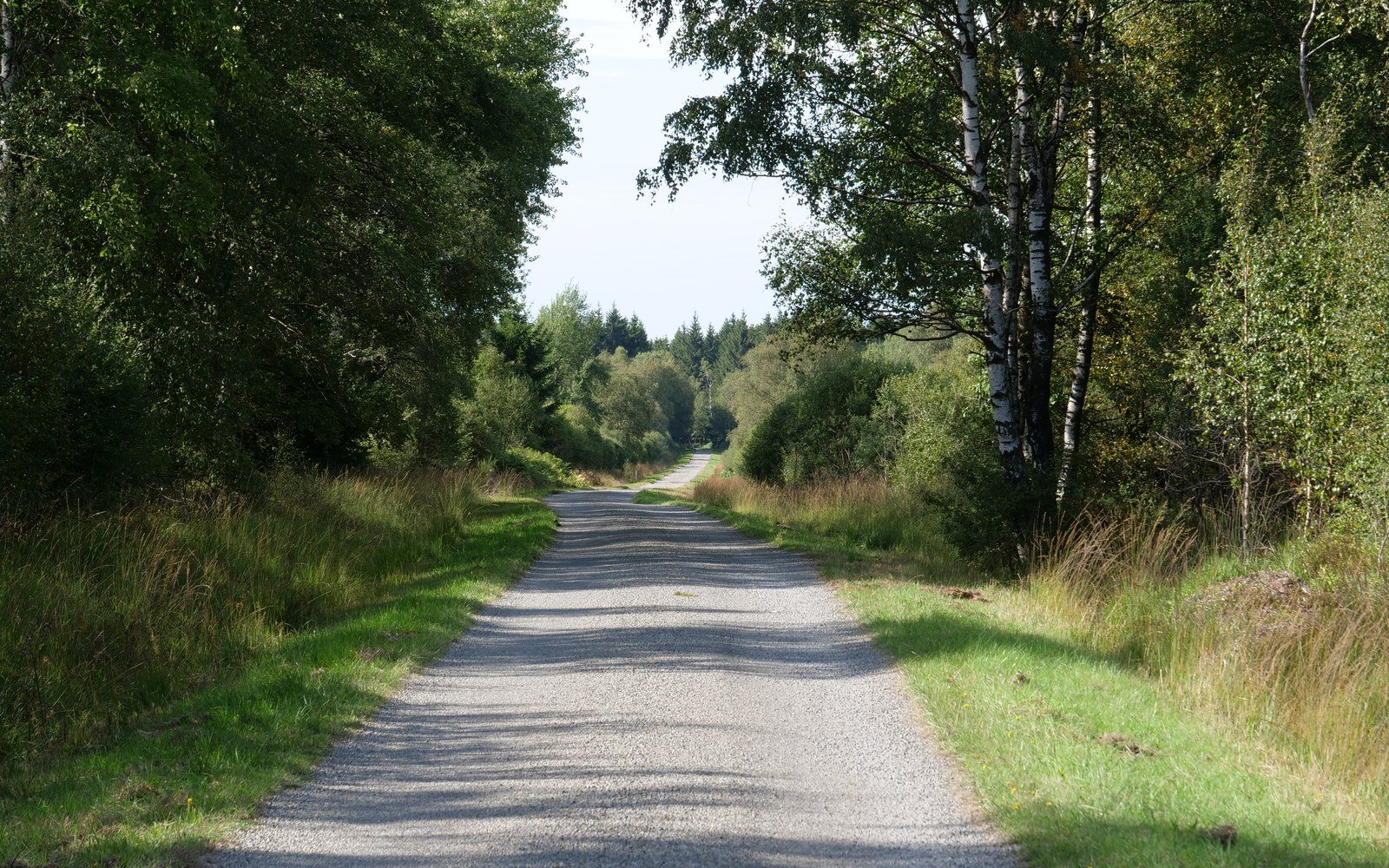
Detonations have been reported in Belgium, France, Germany and the Netherlands as fires reach ground known to hold unexploded ordnance. Drought is exposing more of it in shrinking rivers.
The fires that have run through European woodland and heath this summer are reaching ground that still holds bombs, shells and mines from the two world wars, and some of it is going off. Blasts have been reported in France, Belgium, Germany and the Netherlands, where a disposal team was sent to a forest threatened by flames near the site of heavy fighting in 1944.
In the eastern Belgian province of Liege, the governor, Herve Jamar, said through his office on 18 August that "a few sporadic detonations" had been heard, that the ground known to hold munitions had been identified and written into the plans the emergency services were working to, and that responders had not been put in danger. Local reporting nonetheless carried photographs of a firefighter handling a rusted bomb.
Climate change is now doing the work of unburying and reactivating what was previously stable
Sarah Njeri, a peace and conflict scholar in London
Steady temperatures and predictable rainfall had kept most buried weapons dormant. Fire changes that twice over: heat can set off old ordnance directly, and it burns away the scrub that was hiding whatever does not go off.
The ground in question
The fire in the High Fens, the peat bog and forest that straddles the German border, is burning over a battlefield. The Battle of the Bulge was fought in and around it, and the fire sits closer still to two less remembered actions, on Elsenborn Ridge and in the Hurtgen Forest, the latter lasting 88 days and killing about 33,000 United States and 28,000 German troops. The Belgian daily read for this piece put the burned area at some 3,000 hectares as at 18 August.
Bernard Collard, a local historian who runs a museum of wartime finds near the German border, is authorised to sweep the former battlefields with a metal detector. He has turned up mortar shells, machine guns, helmets, cigarette cases and, once, a human skeleton.
When you go into a forest like this, you are not sure where the explosives are
Bernard Collard, a local historian who runs a museum of wartime finds near the German border
Belgium's disposal and destruction service answers more than 3,000 calls a year and gets rid of 200 to 250 tonnes of munitions left from the two wars.
Drought is doing the same work more quietly
Fire is not the only route. Falling water levels have exposed two naval mines in the Danube in Slovakia, which police lifted and buried in a trench for a controlled demolition; a wartime bomb at the base of a bridge in Budapest, which was closed while the find was dealt with; and another as the Rhine dropped. In the farmland around Ypres the annual turning of the soil brings up so much that it has a name of its own, the iron harvest.
What it means before a spade goes in
For anyone opening ground in northern France, Belgium, the Netherlands or western Germany, this is not a curiosity. An unexploded ordnance risk assessment is ordinary practice on those sites, and it is built from wartime bombing records, aerial photography of the period and the known lines of fighting. What has changed is that fire and drought are now moving material that the desk study assumed was where the records left it.
Two practical consequences follow. A risk assessment written before a site burned is out of date, because the fuel that held the surface together has gone and items have moved. And the contractual question of who carries an ordnance find, which usually turns on whether the condition was foreseeable by an experienced contractor at tender, is harder to answer on ground whose condition changed after the tender went in.