
Middle East Business
The UAE has its first Emirati woman qualified to train and check other pilots
By Staff Writer | 29 August 2026
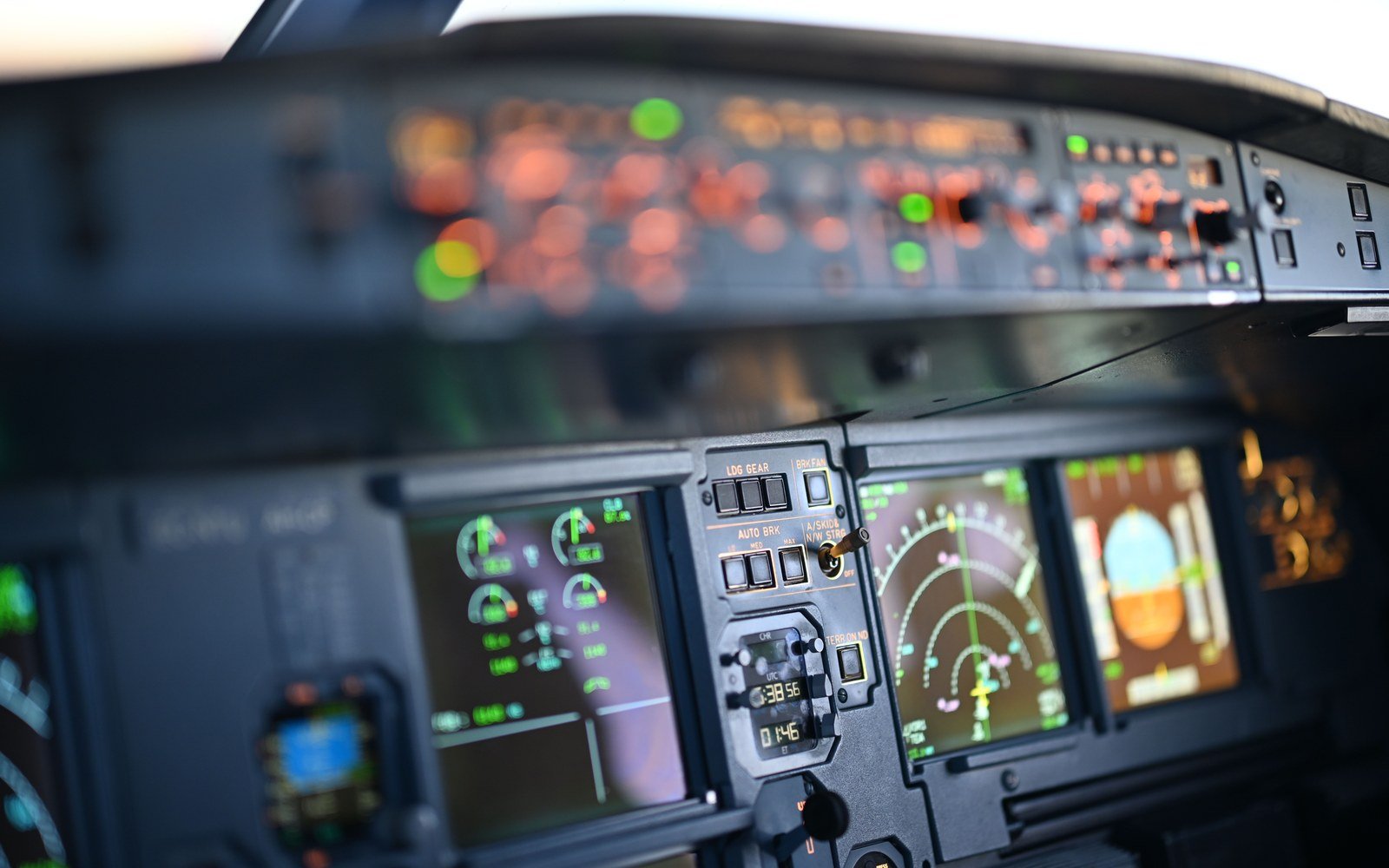
Captain Huda Al Musallami has qualified as a training captain at Etihad Airways, twenty three years after starting in aviation and three years after her command.
Etihad Airways announced on 28 August that Captain Huda Al Musallami has become the first Emirati woman to qualify as a training captain in the UAE. The announcement was timed to Emirati Women's Day.
The title is worth explaining, because it is not a promotion in the ordinary sense. A line captain is responsible for the aircraft and the people on it. A training captain is responsible for the standard of the pilots who will go on to command aircraft of their own: instructing them, checking them, and deciding whether they are qualified. It is the point at which one person's judgement is written into the competence of everyone who follows.
For me, being first was never about the title. It is about making sure I am not the last, and opening the way for more Emirati women to rise, excel and go even further.
Captain Huda Al Musallami, training captain, Etihad Airways
The route to it
The progression is a long one and the dates are on the record. She began her aviation career in 2003 and joined the airline in 2014. She moved from First Officer to Captain in 2023, and qualified as a Type Rating Instructor in 2026 before taking the training captain qualification. She holds a current type rating on the Boeing 787 and has accumulated more than 10,000 flying hours, having previously flown the Airbus A330 and A340 and the Boeing 777. She also holds a bachelor's degree in aviation management and a master's degree in business management and information systems.
Twenty three years from first job to training captain, three of them in command, across four aircraft types and more than 10,000 hours.
What the airline says about its own numbers
The airline states that Emirati women make up 75 per cent of all UAE nationals in its workforce, across roles from the flight deck to senior leadership, and says it will continue investing in Emirati women in aviation, engineering and leadership. The chief people, government and corporate affairs officer described the qualification as an expression of what becomes possible when talent, determination and opportunity come together.
The airline has not published how many training captains it holds in total, how many are UAE nationals, or the timescale over which it expects a second Emirati woman to reach the same qualification. Those figures are not on the record and are not estimated here.
Why an appointment like this reads across
Aviation and construction share a problem and a habit of answering it badly. Both run on qualifications that take a decade or more to earn, both complain about the size of the pool they recruit from, and both tend to measure progress by entry numbers rather than by how many people reach the senior technical grades. A training captain is a senior technical grade in the strictest sense: the airline cannot buy one quickly and cannot substitute for one. Reaching that point, rather than the point of entry, is the number that tells you whether a workforce programme has worked.
The next measurable step is the second such qualification, and how long it takes.