
World News
Ratko Mladic dies in United Nations custody and the tribunal in The Hague orders a full inquiry
By Staff Writer | 28 August 2026
He was 84, had been in the detention unit since 2011 and was serving a life sentence for genocide. He was still waiting for a country to take him and enforce the rest of it.
Ratko Mladic died on Thursday while in hospital in The Hague, the United Nations body that carries the remaining work of the former Yugoslavia tribunal said in a statement issued the same day. He was 84. The medical officer of the detention unit was notified at once, and the Dutch authorities have begun the procedures and investigations that national law requires.
The president of the mechanism, Judge Graciela Gatti Santana, has ordered a full inquiry into the circumstances of the death, using her powers under the statute and the rules of detention, and has assigned Judge Iain Bonomy to conduct it.
What he was convicted of
Mladic commanded the main staff of the Bosnian Serb forces during the war of 1992 to 1995. He was arrested on 26 May 2011 and moved to The Hague shortly afterwards. On 22 November 2017 a trial chamber convicted him of genocide, crimes against humanity and war crimes and sentenced him to life imprisonment. The appeals chamber affirmed both the convictions and the sentence on 8 June 2021. At the time of his death he was still waiting to be transferred to a state that would enforce the remainder of the sentence, a step that had not been completed in the five years since the appeal closed.
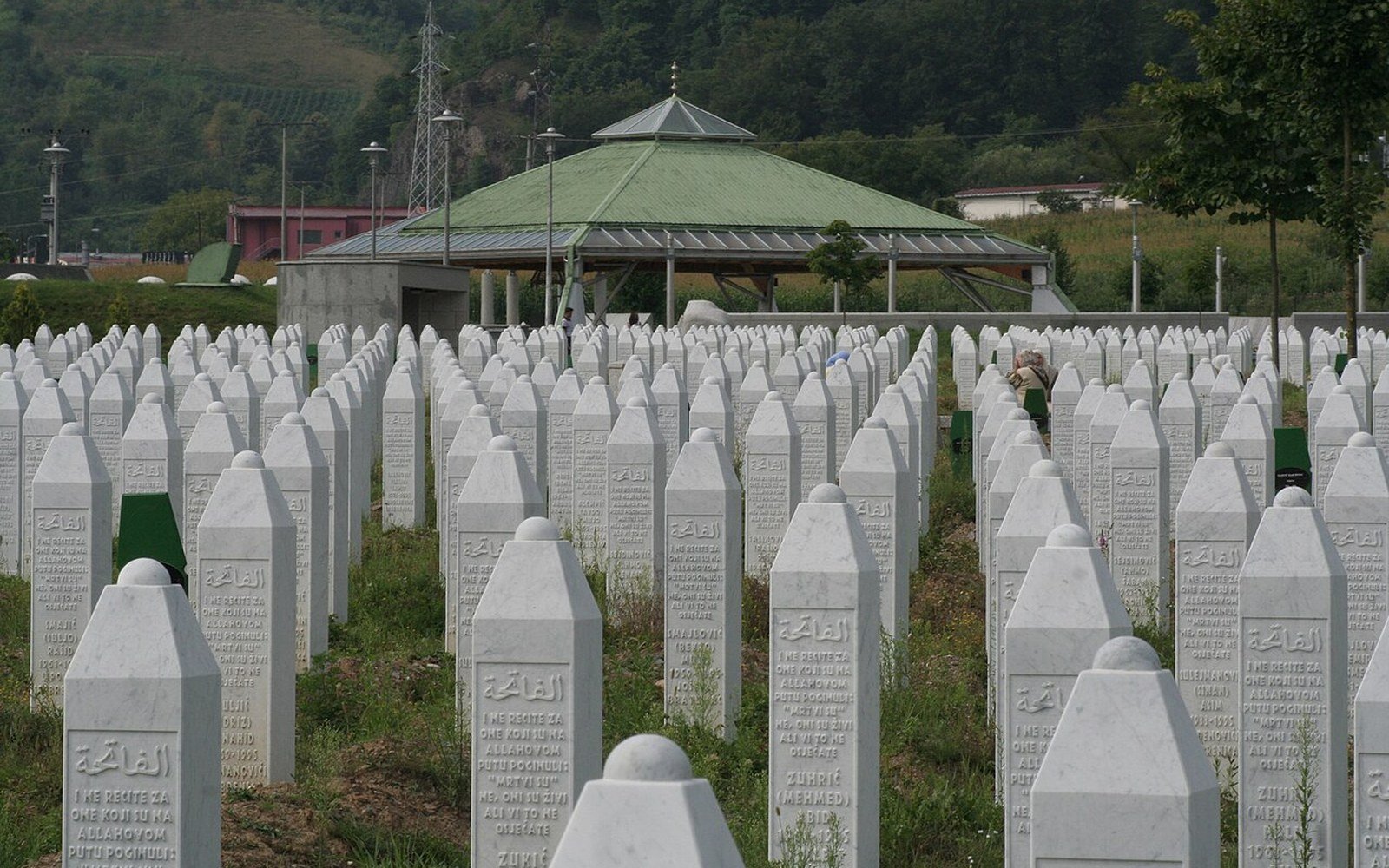
The genocide conviction rests on the killing of more than 8,000 Bosniak men and boys around Srebrenica in July 1995, after his forces took a town the United Nations had declared a safe area. His army also besieged Sarajevo for close to four years.
The people he sent to their deaths did not get the chance to grow old. That is the only fact about his death that matters to me
Emir Suljagic, director of the Srebrenica Memorial Centre
Camil Durakovic escaped Srebrenica on foot in 1995 and is now vice president of Republika Srpska, the Serb entity within Bosnia and Herzegovina. He made the same point about time.
More than anything, we feel the bitterness that he lived to such an advanced age while thousands of others, unfortunately, did not
Camil Durakovic, vice president of Republika Srpska
A death that is being read two ways
In Serbia and in Republika Srpska the response was different in kind. Milorad Dodik, leader of the Alliance of Independent Social Democrats and a former president of the entity, said the death was a killing.
This really is a killing, because everything pointed to his poor state of health, and this was an organised approach that was intended to lead to a fatal outcome
Milorad Dodik, leader of the Alliance of Independent Social Democrats
Aleksandar Vulin, a former Serbian interior minister, said the state owed him a state and military funeral and a day of mourning. Two checkable facts sit around those claims. The court said last week that he was approaching the end of his life. An appeal by Serbia's president the previous week, asking that he be allowed to spend his final days outside a prison cell, did not result in his release. Serbia's justice minister, Nenad Vujic, said his ministry would handle the transfer of the body and that the family and the ministry were waiting for instructions from the court.
The inquiry ordered on Thursday is the reason the competing accounts matter rather than the reason they can be dismissed. A death in United Nations custody is examined by the institution that held the prisoner and, separately, by the state on whose territory it happened. Until those two processes report, everything said about how he died is an assertion by the person saying it.
The convictions themselves are unaffected. They were affirmed on appeal in June 2021 and are final. What ended on Thursday is a life sentence that no state had yet agreed to enforce.