
Middle East Business
Dubai splits lab-grown diamonds out of its natural stone trade
By Staff Writer | 31 August 2026
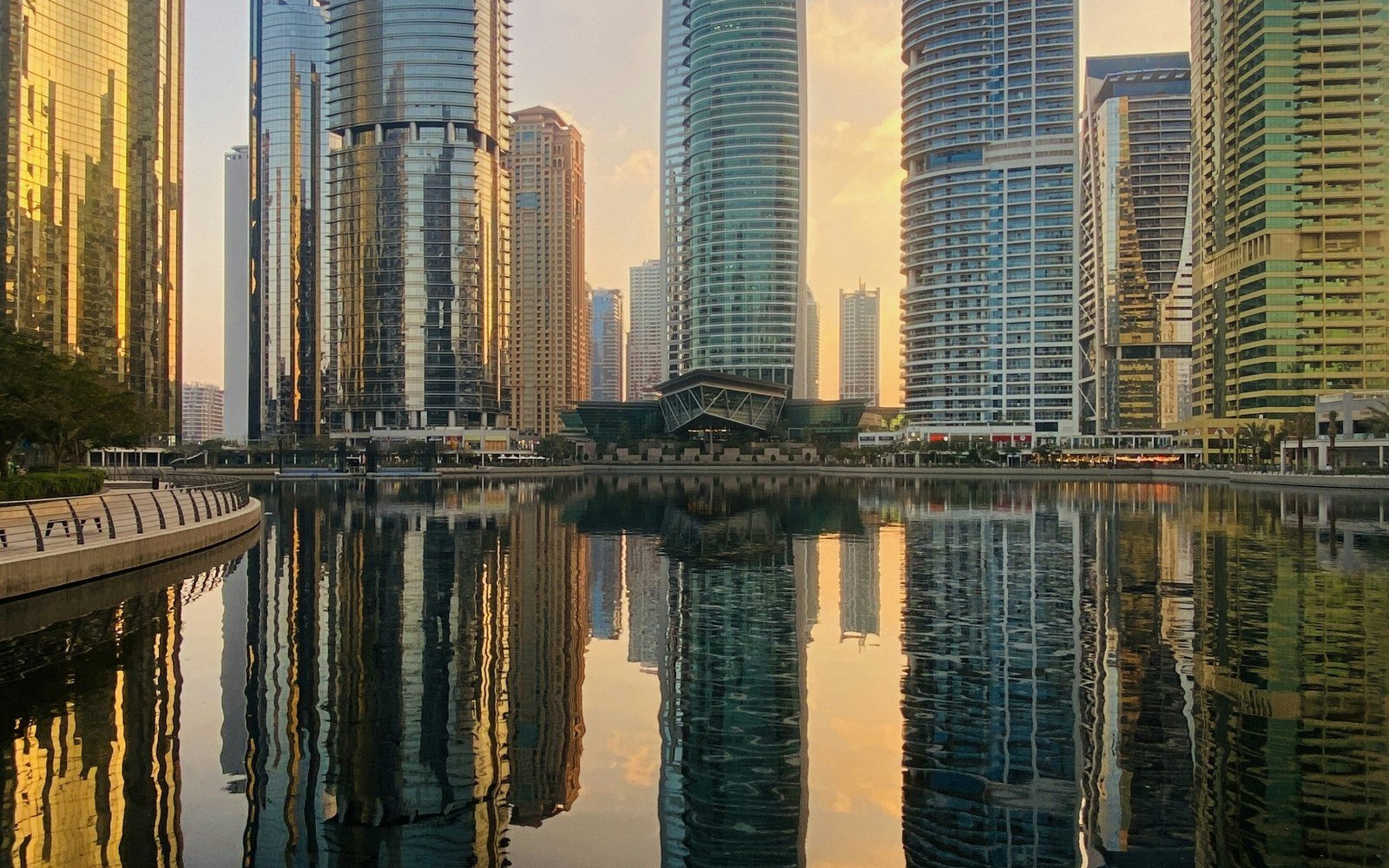
A standalone vertical follows a record year: 76.9 million carats traded through the country in 2025, up 91.5 per cent, worth 1.3 billion dollars.
Dubai's commodities free zone authority has established a Lab-Grown Diamond Vertical, giving the trade its own platform and separating it from the authority's natural diamond and coloured stone activities.
The announcement follows the country's highest recorded volumes. A total of 76.9 million carats of lab-grown stones were traded in 2025, up 91.5 per cent on the year, with the value of that trade rising 7.5 per cent to 1.3 billion dollars. Volumes have risen 109 per cent since 2022, when 36.8 million carats were traded, and imports and re-exports expanded at broadly similar rates, which points to growth across the whole flow rather than in one segment of it.
Why the two trades are being kept apart
The stated reason for a separate vertical is that the economics have diverged. A lab-grown stone is produced at industrial scale to a technical specification, and much of its value now lies in what the material does rather than in what it looks like.
Lab-grown diamonds have reached the point where they need dedicated market infrastructure and a distinct economic case of their own, developed alongside the natural diamond trade rather than in place of it.
Ahmed Bin Sulayem, executive chairman and chief executive of DMCC
Read against the figures, the divergence is visible in the numbers themselves. Volume rose 91.5 per cent while value rose 7.5 per cent. A market whose tonnage nearly doubles while its price line barely moves is behaving like a manufactured commodity, not like a scarce one, and that is the case for treating it separately.
Volume up 91.5 per cent, value up 7.5 per cent. That gap is the whole argument for a separate market arm, and it is why a jewellery frame no longer fits the trade.
The industrial end is where the growth is claimed
The most significant opportunity ahead may lie beyond jewellery, in semiconductors, diamond wafers, quantum technologies, medical devices, aerospace and other advanced applications where the material's thermal, optical and mechanical properties become commercially important.
Ahmed Bin Sulayem, executive chairman and chief executive of DMCC
That is a statement of expectation rather than of current trade, and it should be read as one. The published figures cover carats and dollars moving through the country, not the end use they were put to. What the figures do establish is scale, and scale is the argument the authority is making for hosting the next stage of the sector.
What it changes on the ground
For a firm already trading through the free zone, the practical effect is administrative before it is commercial: a separate vertical means separate rules, separate reporting and a separate set of counterparties to deal with. The authority describes the aim as bringing producers, technology companies and buyers closer together and building market infrastructure for a sector that has been operating inside a framework designed for something else.
For anyone watching the emirate's industrial strategy rather than its jewellery trade, the more useful signal is the direction of the pitch. A free zone that has spent decades selling itself as a trading crossroads is now describing a commodity in terms of wafers, thermal conductivity and aerospace tolerance. That is a different customer.
The figure to watch is next year's value line. If dollars start tracking carats, the industrial demand has arrived. If they do not, this remains a high-volume, low-margin trade with an ambitious description attached.