
UK Construction and Law
Demolition carried out under an earlier permission did not commence the chargeable development, and both levy surcharges are quashed
By Staff Writer | 26 August 2026
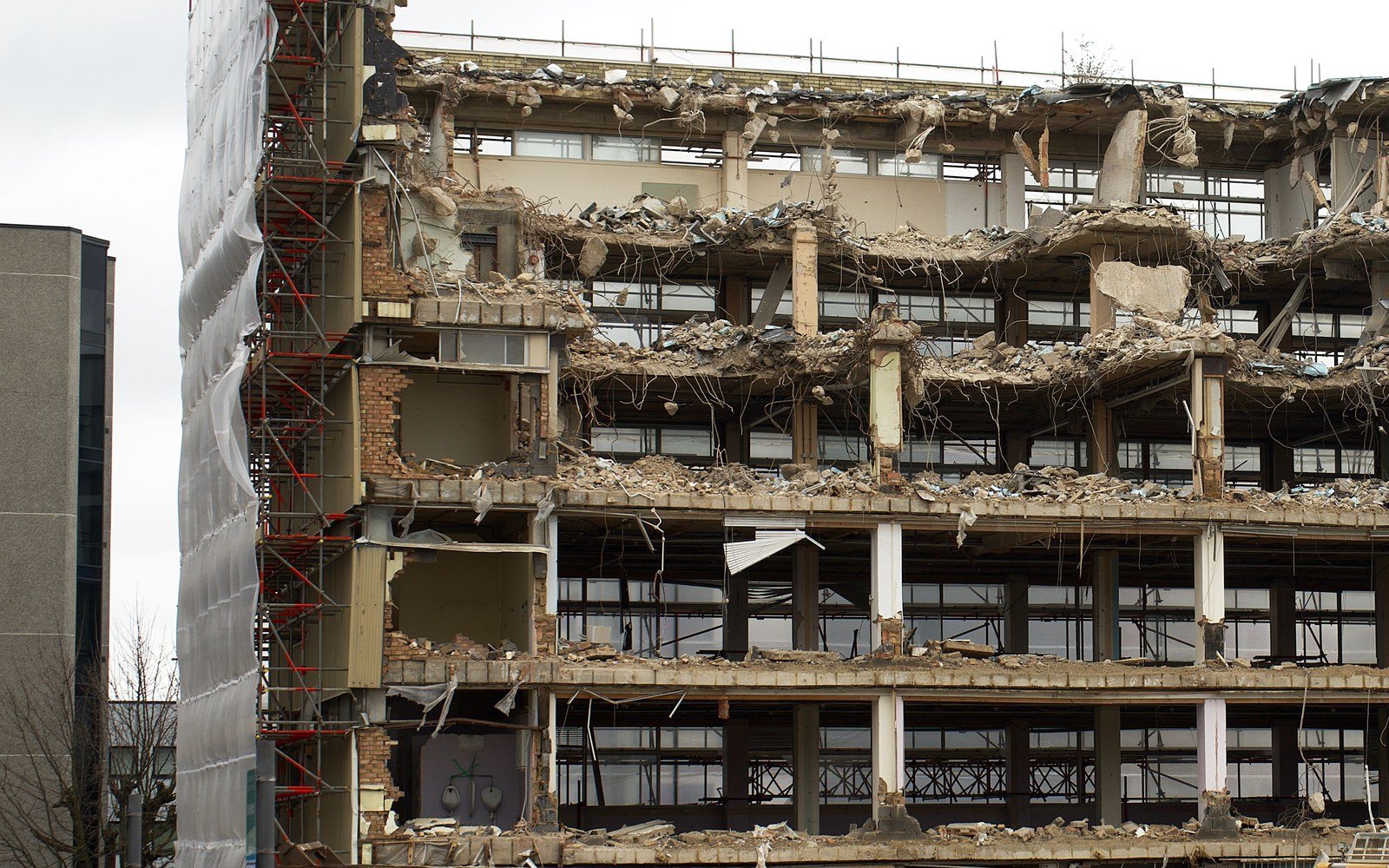
A council treated a permission as part retrospective because the description of development included demolition that had already happened. On appeal, an appointed person has held that the demolition was lawfully done under a separate earlier permission, that no material operation had occurred, and that no commencement notice was ever required.
The appeal was brought under section 218 of the Planning Act 2008 and regulations 117(1)(a) and 118 of the Community Infrastructure Levy Regulations 2010, against surcharges imposed by Southend-on-Sea City Council. Two breaches were alleged: failure to submit a commencement notice before starting works on the chargeable development, and failure to pay the levy within 30 days of the due date. A liability notice and a demand notice were both issued on 31 July 2025, a revised demand notice followed on 11 September 2025, and the deemed commencement date given in the demand notice was 15 July 2025. The surcharge figures are redacted from the published decision.
Why the council said development had begun
The council's position was that the permission was correctly treated as part retrospective, because the description of the development applied for included works that had already been carried out. It also pointed out that the applicant had answered yes to the question on the application form asking whether the work or change of use had already started.
The appellant's answer was that the works in question were demolition, that they had been granted by a separate permission dated 6 December 2023, and that they had been lawfully carried out under that earlier permission. The reason demolition appeared in the description of the later application at all, he said, was that the council's own planning case officer had advised him to include it.
What the appointed person decided
The decision turns on a narrow finding of fact with a wide consequence. Other than demolition, the council did not suggest that any works under the later permission had begun. Since the demolition had been carried out under a different and earlier permission, the later application should have been treated as prospective rather than part retrospective. The answer given on the form was noted and left unexplained, but it could not convert works done under one permission into works done under another.
That produced the conclusion that no material operation had occurred within the meaning of section 56(4) of the Town and Country Planning Act 1990 in relation to the chargeable development, so works had not commenced on it.
That being the case, the appellant was not required to submit a Commencement Notice and therefore the surcharge for failing to do so is quashed
Ken McEntee, a person appointed by the Secretary of State for Housing, Communities and Local Government to determine the appeal
The late payment surcharge went the same way, because the liability notice stated that it was dependent on the commencement of development, and development had not commenced. The second ground of appeal, that the demand notice carried an incorrectly determined deemed commencement date, did not fall to be considered. An application for costs was made against the council and is dealt with in a separate decision.
Two things this decision does not do
It does not decide whether the levy itself is correctly charged, and it does not decide whether a self-build exemption should be granted. The appointed person said so expressly: the jurisdiction on this appeal is limited to the surcharges, and the appellant was separately pursuing an appeal to the Valuation Office Agency under regulation 114. That division of labour is worth keeping in mind, because a surcharge appeal and a chargeable amount appeal are different creatures with different routes and different time limits.
There is also a procedural point buried in the second paragraph of the decision. When the council issued the revised demand notice in September 2025, the earlier notice automatically ceased to have effect under regulation 69(5), and the appeal was determined by reference to the revised notice rather than the one it replaced.
For anyone phasing a scheme, the message is to keep the demolition permission and the development permission apart on paper as well as in fact. Where demolition is authorised by its own consent and carried out under it, describing it again in a later application does not make the later development retrospective, and it does not start the commencement notice clock. Where the description is drafted loosely, or on advice, the burden of untangling it falls on the developer after the surcharge has already been imposed.