
Tech and AI
Chinese farmer loses sesame crop after following AI advice
By Staff Writer | 12 August 2026
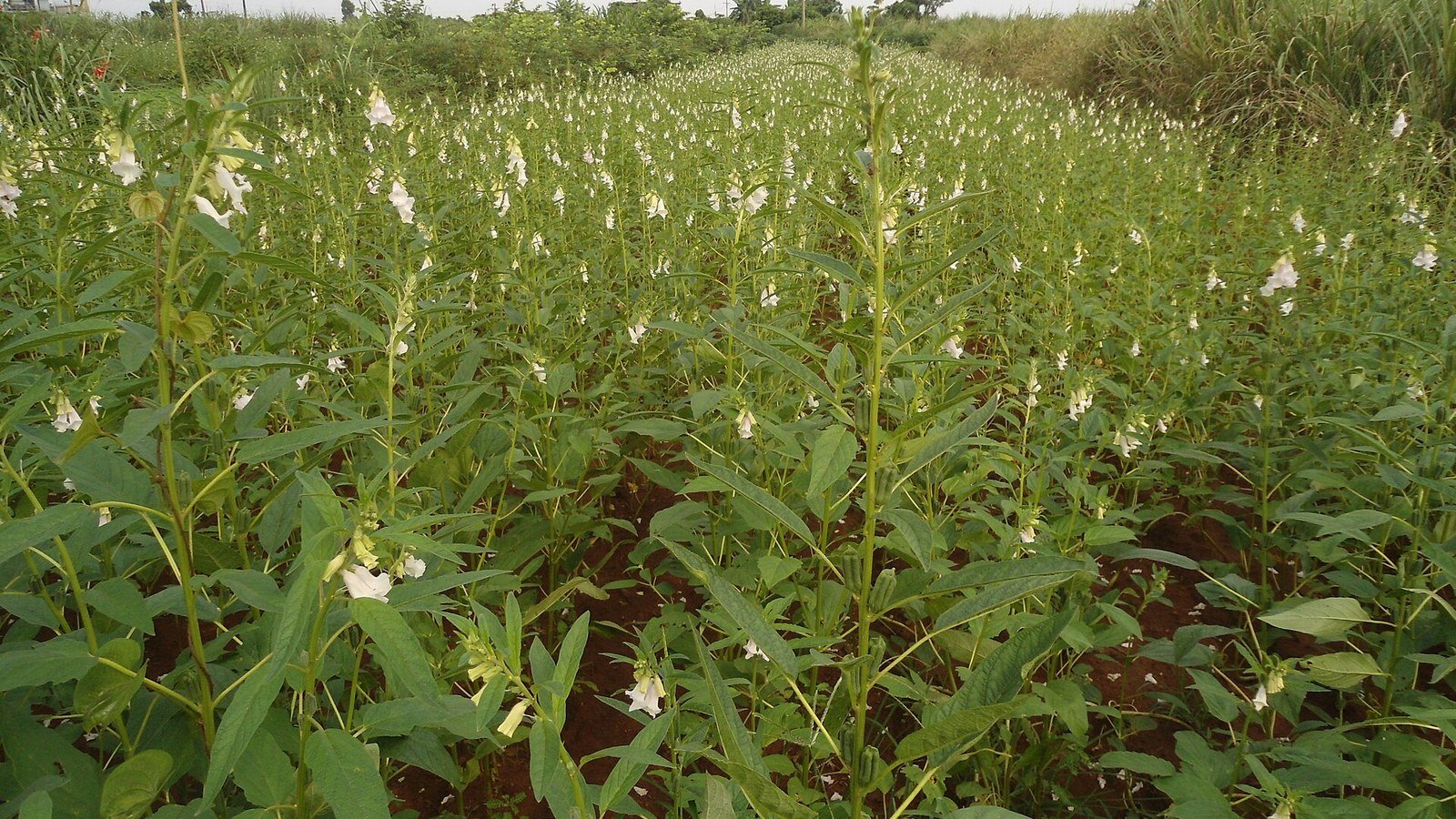
A farmer in eastern China says 150 mu of sesame seedlings died after he followed an AI application's pesticide recommendation.
Wu, a 67-year-old farmer in Chuzhou, Anhui province, had used the application for agricultural questions over several months. He said earlier answers appeared useful, which led him to trust a herbicide mixture suggested for weeds and pests in his sesame field.
He applied the mixture across 150 mu, equal to about 24.7 acres. By the following day, he said, both the weeds and the sesame seedlings had died.
The loss shows the danger of treating a fluent answer as a checked agronomic instruction when crop, product label, dosage and local conditions all require separate verification.
Past success built misplaced trust
Wu's account matters because the failed recommendation did not arrive in isolation. Months of apparently useful answers had created confidence in the tool. That history made the later advice feel tested even though each new answer still required its own check.
If you spray it, the next day the seedlings won't survive. Both the grass and the seedlings will die, and the seedlings will die even faster.
Wu, sesame farmer
The application displayed a warning that AI-generated information could be wrong and should be verified. A disclaimer, however, does not show a farmer how to distinguish a safe recommendation from a plausible but harmful one.
The names and composition of agricultural chemicals can vary between markets, while crop tolerance depends on the active ingredient, concentration, growth stage and application method. Product labels and local agricultural advice therefore matter before a spray reaches a field.
Published sesame guidance directs growers to local specialists for pesticide recommendations and tells them to read and follow product labels. Those checks were absent from the AI answer described by Wu.
The answer lacked a safe stopping point
A safer system would recognise that pesticide mixing is a high-consequence request. It could decline to prescribe a mixture, direct the user to the registered label and recommend confirmation by a local crop specialist.
The same principle applies beyond farming. Advice that can damage property, health or income needs a clear boundary between general information and instructions that a person may act upon.
Wu's crop cannot be recovered by correcting the answer after the event. The practical lesson for AI providers is that a warning at the edge of the screen is weaker than a system designed to stop uncertain advice before it becomes an irreversible action.