
Tech and AI
Anthropic adds watermarks to output from new Claude models
By Staff Writer | 12 August 2026
Anthropic says text and files produced by Claude models released after 2 August will carry machine-readable provenance marks.
The change applies at model level across Anthropic's products. Text generated by newer models will contain a statistical watermark, while files created by Claude will use the C2PA provenance standard. The company says older models will be covered later.
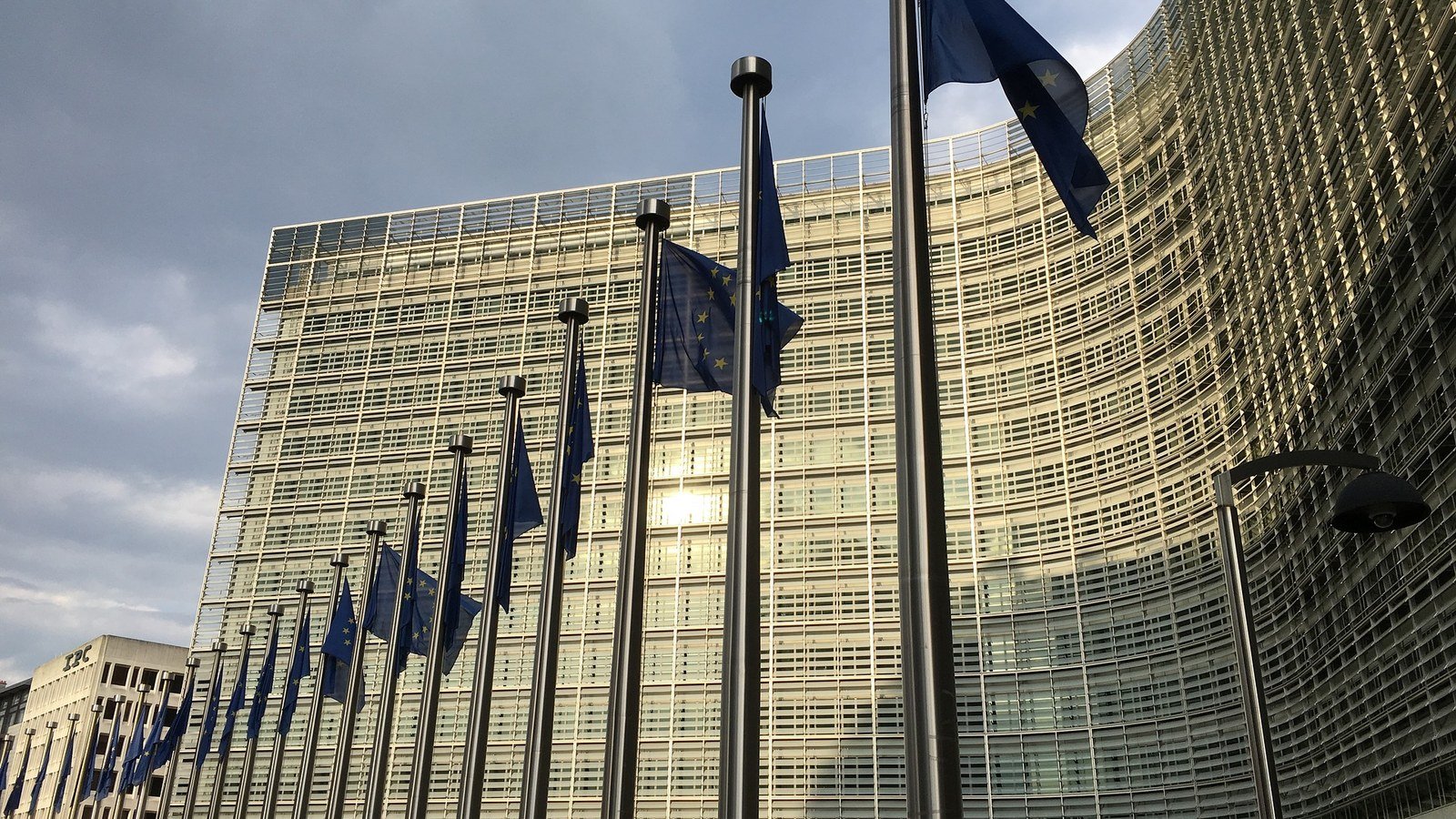
The timing follows the start of European Union transparency duties for certain artificial intelligence output. The rules cover deepfakes and AI-generated or manipulated text published to inform the public on matters of public interest.
The mark can show that Claude processed a passage, but it does not prove that every word was written by the model or that later editing left the signal intact.
The mark travels with copied text
Anthropic says the text watermark is embedded in the pattern of the output rather than displayed as a visible label. A detector can examine the passage for that pattern, so the mark may survive when a user copies text into another application.
The Commission has used voluntary codes alongside its AI rules. When it published a separate code for general-purpose AI models, the commissioner responsible for digital policy urged providers to take part.
I invite all general-purpose AI model providers to adhere to the Code.
Henna Virkkunen, European Commission executive vice-president
The word "may" carries much of the weight. Heavy rewriting, translation, short extracts or a mixture of human and machine text can reduce the detector's confidence. A positive result also indicates contact with the model, not the purpose for which it was used.
Files allow a different method. C2PA credentials can record information about how a digital asset was made or changed. That record is useful only while the file and its provenance data remain together.
Because the change sits in the model, users do not need to switch it on for each response. The company also says the watermark does not reveal the identity of the person who made the request.
Compliance meets a technical limit
The European Commission has published a voluntary code intended to help providers and deployers meet the transparency rules. Watermarking is one route, alongside metadata and visible labelling where the law requires disclosure.
No technical mark settles the separate question of whether a person used AI appropriately. Editors, employers and schools will still need policies that distinguish assistance, drafting, verification and undisclosed substitution.
Anthropic's move gives platforms and investigators another signal to test. Its usefulness will depend on detector access, resistance to ordinary editing and clear explanations of what a result can and cannot establish.