
World News
Border wall work in Big Bend National Park is paused again
By Staff Writer | 2 September 2026
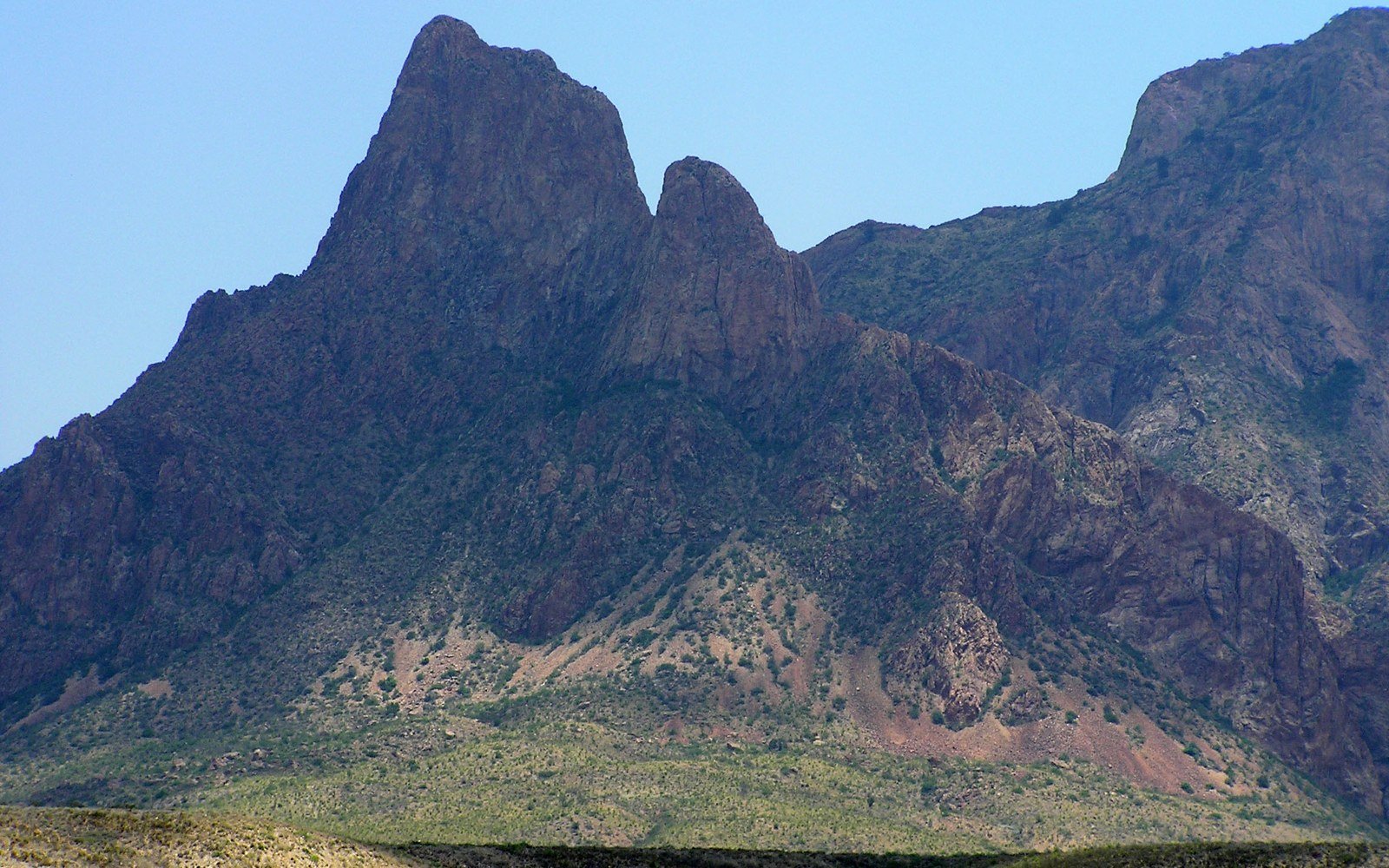
The federal government agreed in court on Friday to hold off construction inside the Texas park until the middle of September. No final design has been settled for what would be built there.
The federal government agreed in a San Antonio courtroom on Friday to extend the pause on border related construction inside Big Bend National Park until the middle of September. The extension covers the park itself and a stretch of land upriver and to the west of it, and it was welcomed by the parties challenging the works.
Customs and Border Protection had already halted activity there once. Its commissioner, Rodney Scott, visited the park to consult local officials after bulldozers began working through parts of it in the far south of Texas, which drew widespread objection. The Department of Homeland Security said at the time that the machines were not beginning full construction but carrying out initial design and survey work. That earlier pause had been due to expire on the Monday.
A scheme without a settled design
What is planned for the park has included a new road, detection technology and barriers to stop vehicles crossing the border. A lawyer for the government told the court on Friday that no final plans have been decided for what will actually be built there.
A pause that runs while the design is still open is a different animal from a pause on a scheme that has been fully worked up. It gives the parties something to negotiate over, which is exactly what the judge asked them to do with the time.
The presiding judge, Orlando L. Garcia, said at the hearing that he hoped the two sides would use the extra period to work out what could be done to meet the concerns on both sides. He is hearing an application for a temporary restraining order.
The authority argument
The lawsuit alleges that the government has reached beyond its powers in seeking to build border infrastructure inside a national park that Congress itself established. It also alleges that the works would interfere with the religious freedoms and cultural practices of Native Americans, for whom access to burial sites and to places where particular ceremonies are conducted is central. Those are the contentions in the pleading, and how they fare is for the court.
The government's answer is that its authority to build the wall and associated infrastructure, and to set aside certain regulations in order to build quickly, comes from Congress itself.
Congress gave them the authority. Congress has spoken.
Pamela Amaechi, lawyer for the federal government
The government also argues that the claimants have not shown the works will in fact prevent anyone practising their religion, and that what is planned inside the park is limited in extent.
The work at Big Bend forms part of a programme the administration puts at 46 billion dollars, running the full 2,000 miles from the Pacific Ocean to the Gulf of Mexico in a mixture of steel bollard walls 30 feet high, vehicle barriers and detection technology. As that programme has accelerated, opposition to it has come from a combination of landowners, environmental groups and Native American nations.
Roland Gutierrez, a Democrat state senator in Texas who argued against the government on Friday, called the result a win even though the pause is temporary, and said that anything slowing the programme before the November midterm elections was worth having. That is a candid statement of what a party gains from delay, and it is worth reading alongside the concrete evidence filed in the White House ballroom case: on schemes of this kind, the calendar is now doing as much work as the pleadings.