
Tech and AI
Australia publishes a digital duty of care with an opt-out from the algorithm and fines up to 109 million dollars
By Staff Writer | 9 September 2026
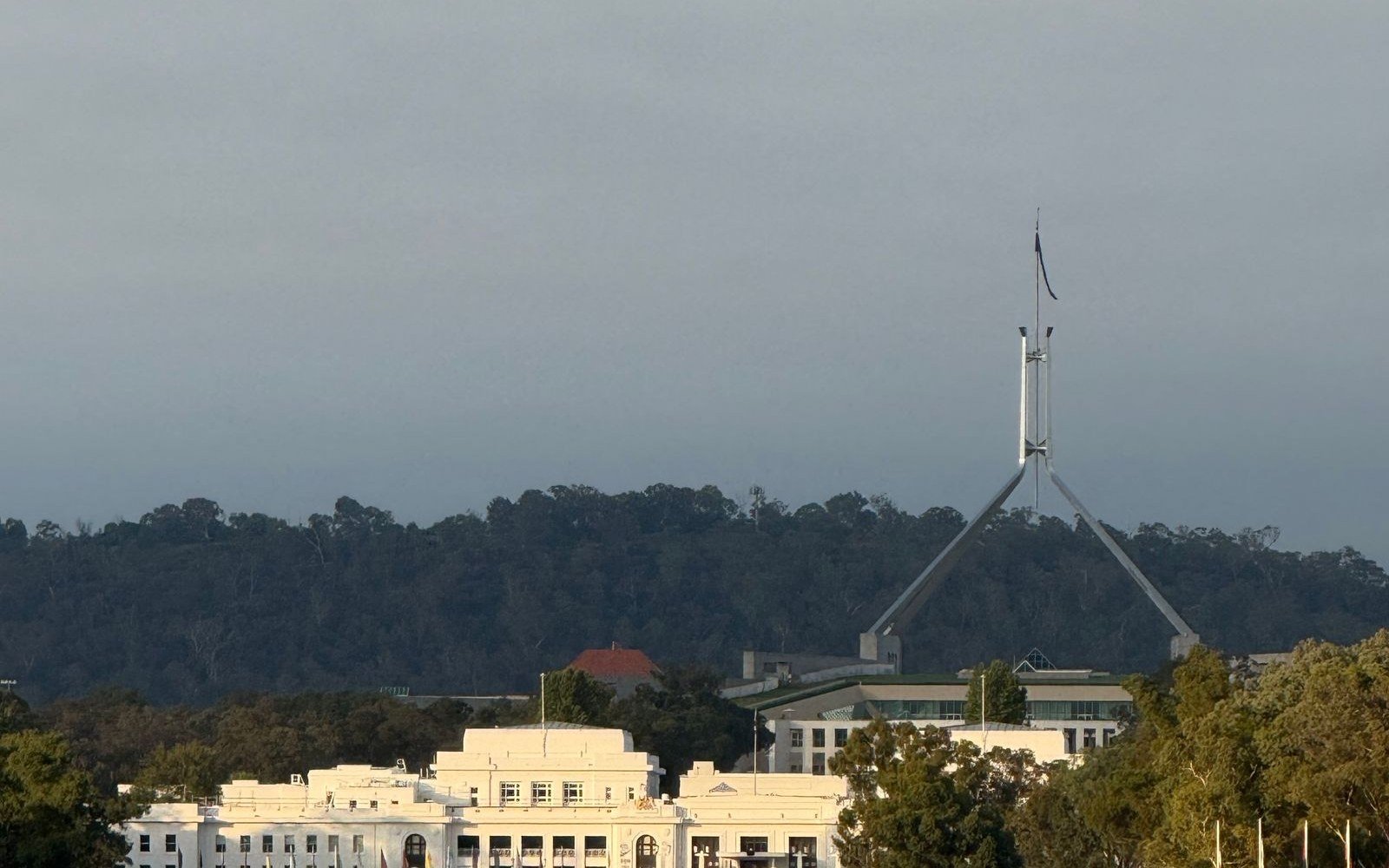
Draft legislation released for targeted consultation would oblige platforms, games, apps and chatbots to meet minimum safety standards, let adults choose a feed of only the accounts they follow, and give the eSafety Commissioner power to order nudify sites removed. The bill goes to Parliament this year.
The Australian government released the draft Digital Duty of Care on Tuesday 8 September 2026, at a press conference at Parliament House in Canberra and in a media release from the Prime Minister's office. It is framed as the next step after the country's social media age ban for under-16s. The duty would put the onus on digital service providers to provide a safe online environment and would set minimum standards for the features and tools they use, with platforms required to document the measures they take against identified risks and to keep them effective over time.
What the draft does
The provision the government leads with is the one it has named My Feed, My Way. Social media platforms would have to send a notification to every new and existing user offering a choice over the default feed: opt in to personalised content recommended by the algorithm, or opt out and see only the friends and creators the user chooses to follow. Anika Wells, the Minister for Communications, said users over 16 will be able to opt in or out easily, change their minds as often as they like, and that platforms will have to respect the choice.
The duty reaches beyond social media. Online games, apps and chatbots would be required to protect under-18s from design features with negative behavioural effects, such as addictive features or those that affect a young person's self-esteem, and from listed categories of harmful content: material that promotes eating disorders, hostile ideas about women and gender equality, pornography, the glorification of crime or life-endangering stunts, and content that causes serious mental health distress including abuse and bullying. The draft also gives the eSafety Commissioner power to issue removal notices for nudify apps and websites and simplifies the child cyber-bullying and adult cyber-abuse schemes.
Failure to comply could attract penalties of up to 109.2 million Australian dollars, with the independent eSafety Commissioner responsible for compliance and enforcement. Feedback is being sought from platforms, industry bodies, civil society and advocates, and the government says the legislation will be introduced to Parliament this year.
Just as we have basic safety standards for cars, toys or food, the duty of care applies basic standards for the online products we use every day.
Anika Wells, Minister for Communications
Control, and who has it
Some in Australia have criticised the plan as government censorship. Prime Minister Anthony Albanese addressed that directly.
This is not about giving government control, it is about giving people control.
Anthony Albanese, Prime Minister of Australia
At the press conference Ms Wells said that for too long technology companies had been running real-time, unregulated product testing on Australians, and that they would still be allowed to move fast but would not be able to break things. The process for declaring a category of content harmful would begin with the minister consulting the eSafety Commissioner, whose recommendation would then be subject to a parliamentary vote before taking effect. Mr Albanese said the age ban was never expected to be perfect, that more than 20 countries have since followed it, and that he expects the duty of care to travel in the same way. There is, Ms Wells said, a global reckoning coming for big technology, and it started in Australia.
The name is a deliberate borrowing from the law of negligence, where a manufacturer's responsibility for foreseeable harm to the end user was settled nearly a century ago over a bottle of ginger beer. Applied to software, the draft asks the same question of a feed or a chatbot that a court would ask of a product: did the maker take reasonable care against the harm it could foresee. The consultation will decide how much of that principle survives contact with the platforms' lawyers, and the rest of the world, which followed the age ban within a year, will be reading the draft.