
Middle East Business
The Red Sea destination's off-grid utilities reach commercial operation on a 340 MW solar plant and a 1,227 MWh battery
By Staff Writer | 9 September 2026
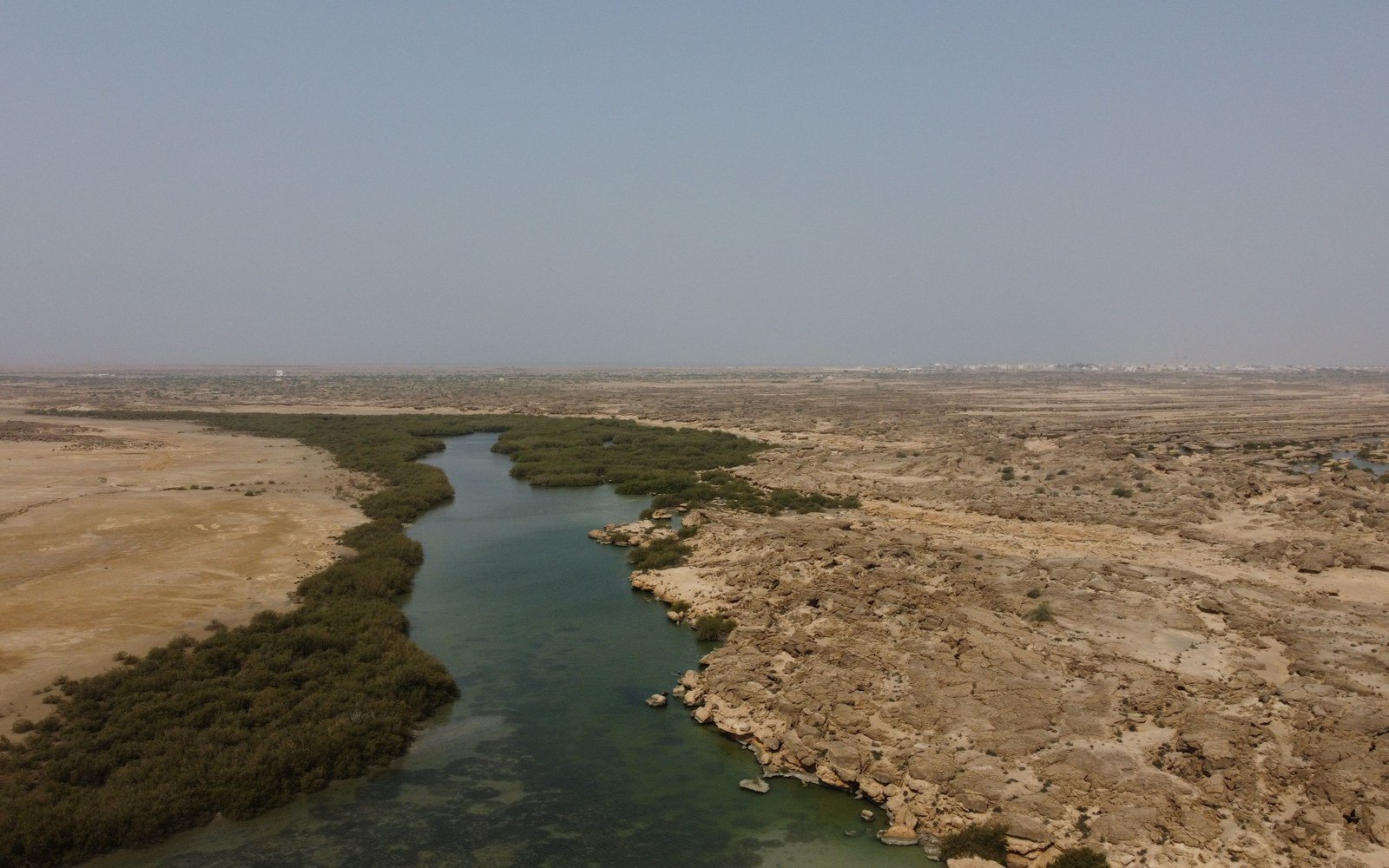
The commercial operation certificate signed on 6 September starts a 25-year concession under which the ACWA Power-led company supplies power, potable water, wastewater treatment, district cooling and waste management to the whole destination without any connection to the country's grid. Construction ran to 30 million hours without a lost time injury.
Red Sea Global and ACWA Power announced on 6 September 2026 the project commercial operation date for the utilities serving The Red Sea destination on Saudi Arabia's north-western coast. The milestone follows the signing of a commercial operation certificate by Marafiq Red Sea for Energy Company, the project company formed by ACWA Power with SPIC Huanghe Hydropower and Saudi Tabreed, and The Red Sea Utilities Company, a subsidiary of Red Sea Global. The signature formally starts the project's 25-year concession.
The partners say it is the first time a giga-project in Saudi Arabia has brought its entire utility infrastructure into commercial operation using only renewable energy and without support from the country's grid. The system serves the hotels already operating at the destination, Red Sea International Airport, the logistics hub, a fleet of electric vehicles, the staff village and the supporting community and operational facilities.
Power comes from a 340 MWac solar photovoltaic plant integrated with a 1,227 MWh battery energy storage system, which the partners describe as the world's largest off-grid battery installation. The battery carries the destination through the night. The generation system produces up to 760,000 MWh a year and is stated to avoid about 600,000 tonnes of carbon dioxide emissions annually.
Five utilities under one concession
The concession covers five services through a single integrated system: renewable power, potable water, wastewater treatment, district cooling and waste management. Water comes from three seawater reverse osmosis plants. A sewage treatment plant handles 16,000 cubic metres a day, with the treated water used to create new wetlands and to irrigate Red Sea Global's plant nursery and the planting around the Shura Links golf course. District cooling capacity of 32,500 refrigeration tons serves the hotels and the airport, and a waste management centre completes the set.
The platform is described as scalable, so that capacity can be added as later phases of the destination open. Financial close was reached in February 2022 with approximately 1.33 billion dollars of senior debt facilities and a total investment of around 1.84 billion dollars.
This milestone brings our vision for a new model of regenerative tourism to life at full scale. By operating without a connection to the national grid and powering the destination entirely through renewable energy, we are demonstrating how sustainable infrastructure can support tourism that gives back to the natural environment and communities on which it depends.
John Pagano, Group Chief Executive Officer of Red Sea Global
Safety and local content on the construction phase
The construction phase reached 30 million safe working hours without a lost time injury, a figure the partners single out given the remote coastal setting in which the plants were built.
Environmental and social impact assessments were carried out for the utility services and permits were obtained from Saudi Arabia's National Center for Environmental Compliance, with monitoring continuing through operations. Saudi suppliers provided equipment, materials and services where specifications allowed, Saudi engineers and technicians worked on the generation and cooling facilities, and the partners say the long-term operation and maintenance workforce will continue to be developed within the country.
What the certificate means in practice
A project commercial operation date under a concession of this kind is the point at which the availability-based payments to the project company begin in full and the risk of the asset shifts from construction to operation. For the contractors and suppliers who built the plants, it is the point from which defects periods and final account processes usually run. The announcements do not state the engineering, procurement and construction contractors, the length of any defects liability period, or the tariff and payment structure of the concession, and those points are left open here.