
Middle East Business
Aramco and Maaden sign a shareholders' agreement to explore a tenth of Saudi Arabia for copper
By Staff Writer | 19 August 2026
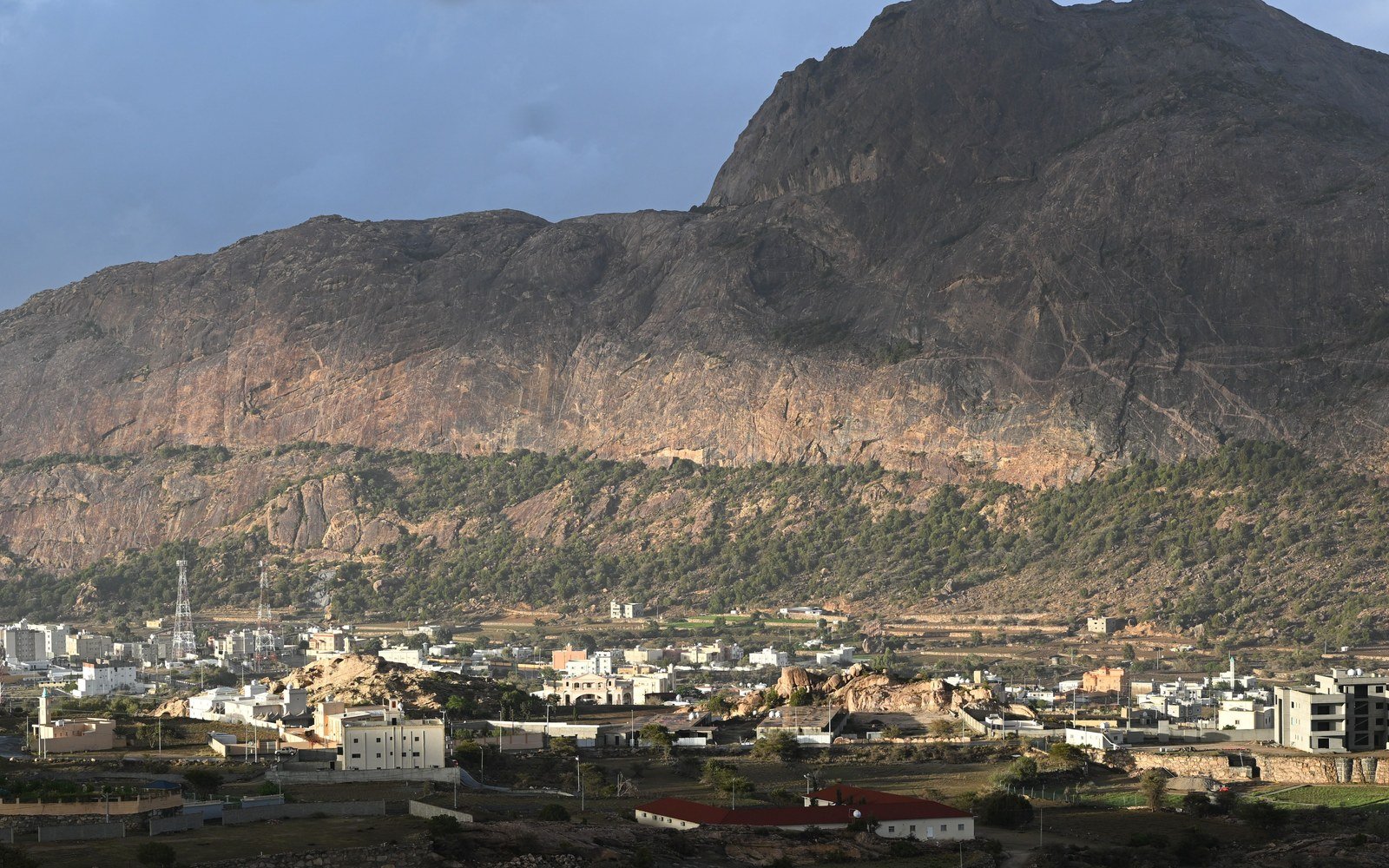
The two companies have agreed to form a joint venture covering about 182,000 square kilometres of the Arabian Platform, aimed at copper and other minerals used in the energy transition. The venture is not yet incorporated, and its effectiveness depends on corporate and regulatory approvals and antitrust clearance.
Aramco and Maaden announced from Dhahran on 18 August that they had signed a shareholders' agreement to form a joint venture for mineral exploration and hard rock mining in Saudi Arabia. The venture is expected to be owned 51 per cent by Maaden and 49 per cent by Aramco. Plans for it were first disclosed in January 2025, so the announcement records the signing of the document rather than the start of the arrangement.
The area is Zone-4, also called the Transition Zone, within the Arabian Platform. It covers approximately 182,000 square kilometres, close to a tenth of the country's total land area, and stretches along a zone about 100 kilometres wide running parallel to the Arabian Shield. Copper is the main target. The venture would also explore for zinc, lead and rare earth elements.
Saleh M. Al Saleh, Aramco Vice President of Transition Minerals, said the company had gathered and examined the largest amount of geological and geophysical data ever acquired in a single basin for the country over 90 years, and that the partnership intends to use that existing information to find minerals inside the venture's area.
The stated method is to read that subsurface record with computational algorithms, artificial intelligence and high performance computing, and to use it to pick the ground most likely to hold copper before any drill turns. On the companies' own account, copper makes up more than 20 per cent of a mined metals market worth 1.2 trillion dollars. They put the copper market at approximately 250 billion dollars now and above 400 billion dollars by 2035.
By combining Maaden's exploration and development expertise with Aramco's extraordinary knowledge of the Arabian Platform, we would have an opportunity to move faster, explore smarter, and create new opportunities to discover the minerals that will power the energy transition.
Darryl Clark, Maaden Executive Vice President for Exploration
What has actually been signed
A shareholders' agreement is not a company. The announcement is explicit that the effectiveness of the agreement and the incorporation of the joint venture are conditional on condition precedents being met, including all required corporate and regulatory approvals and antitrust clearance. Until those are satisfied there is no incorporated vehicle, no board, and nothing that can hold a contract or issue an instruction.
The date worth diarising is incorporation, not the announcement. A signature under condition precedents can sit unsatisfied for a long time, and antitrust clearance in particular is outside the control of either party.
Where the construction work sits, and when
Exploration is upstream of construction, and the two should not be read as the same pipeline. What follows an exploration agreement first is drilling campaigns, access tracks, temporary camps, water supply and sample handling. That work is real but it is small, dispersed and let in short packages, usually to specialist drilling and earthworks contractors rather than to main contractors.
Mine development is a separate question and a much later one. It follows discovery, and only where a discovery proves out at a grade and tonnage that supports a scheme. The gap between an exploration programme opening and a processing plant being tendered is ordinarily measured in years, and most licence areas never produce one at all. An announcement about 182,000 square kilometres is a statement about where somebody intends to look, not about where anything will be built.
The setting for it is a stated national aim to widen the mining sector. Mineral wealth in Saudi Arabia has been valued at more than 9.3 trillion riyals, and the published target is to raise mining's contribution to gross domestic product to 240 billion riyals. The Ministry of Industry and Mineral Resources put a further 50,000 square kilometres forward for mineral exploration during 2025.
For anyone watching this as a source of future work, the useful signal will not be the next announcement of an area. It will be the first published drilling result from inside Zone-4, because that is the point at which a number replaces a map.