
World News
Violence against aid workers reached a record 907 victims in 2025, the global database shows
By Staff Writer | 19 August 2026
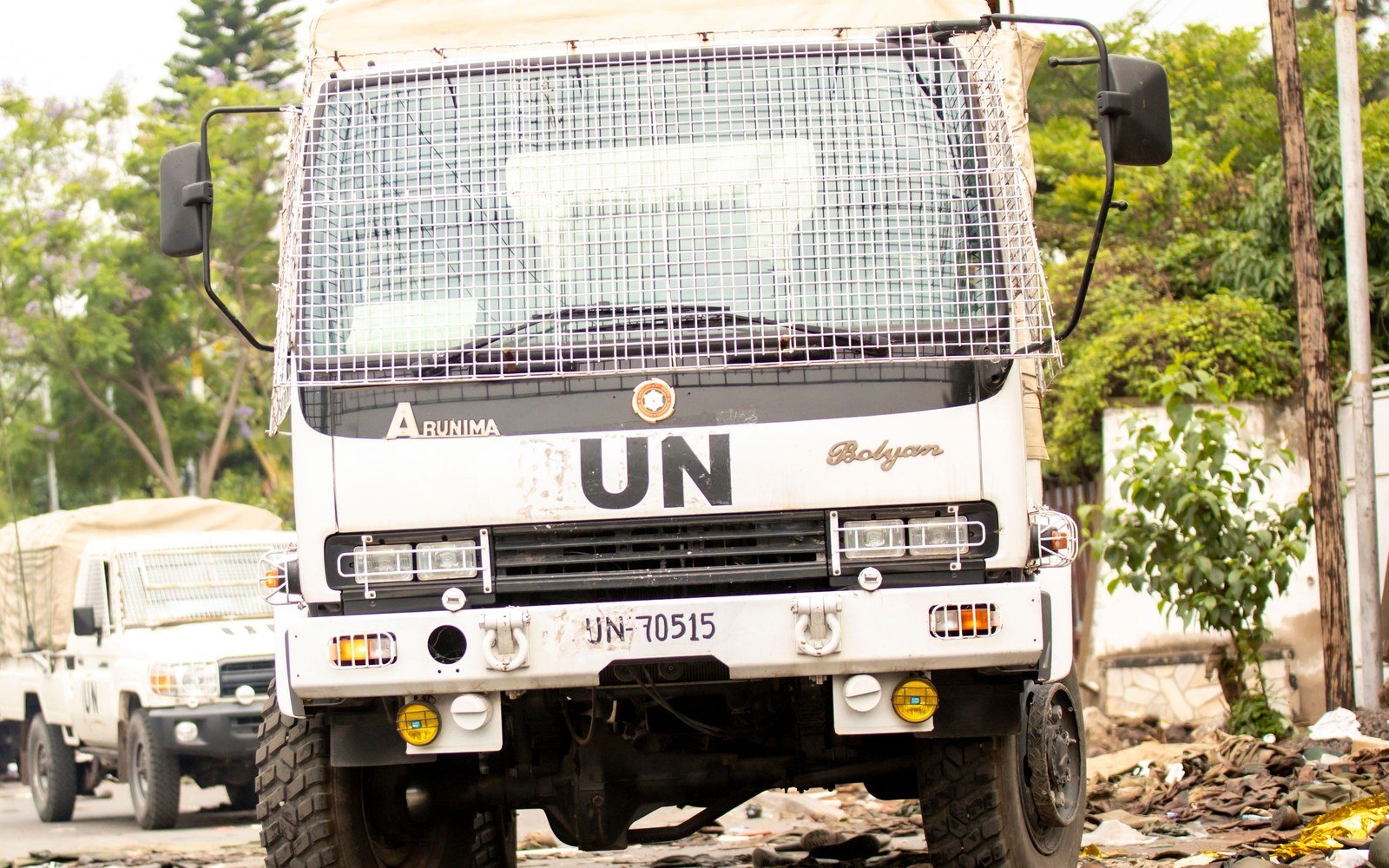
The count of humanitarian staff killed, wounded or kidnapped rose from 833 to 907, with 350 killed, the second highest annual toll on record. Gaza was the deadliest context and Sudan recorded its fifth consecutive annual rise.
Violence against humanitarian workers reached its highest recorded level in 2025. The Aid Worker Security Database, the global record of major security incidents affecting civilian aid operations, counted 907 aid workers killed, wounded or kidnapped during the year, against 833 in 2024. The figure is made up of 350 killed, 322 wounded and 235 kidnapped.
Deaths fell slightly. The 350 killed in 2025 compares with 387 in 2024, which remains the worst year on the record for fatalities, so 2025 stands as the second highest annual death toll while the overall victim count rose.
Serving others has become more dangerous than ever.
Antonio Guterres, Secretary-General of the United Nations
Where the incidents happened
Gaza remained the deadliest context, with 186 aid workers killed there in 2025. The database attributes 68 per cent of those deaths to aerial bombardment. Sudan follows, with a record 71 aid workers killed, the fifth consecutive annual rise in that country, mostly from small arms fire.
Counting all victims rather than deaths alone, the ten worst contexts of 2025 were Gaza with 230, Sudan with 121, the Democratic Republic of the Congo with 97, South Sudan with 85, Ukraine with 57, Ethiopia with 36, Syria with 26, Haiti with 19, and Chad and Cameroon with 16 each.
The Democratic Republic of the Congo recorded the largest increase of any country, with violent incidents affecting aid workers roughly doubling since 2024. Ukraine also rose, which the database attributes to expanded drone warfare. South Sudan returned to the levels last seen in 2021 and 2023 after a quieter 2024.
The pattern behind the numbers
Road travel accounted for 27 per cent of all violent incidents against aid workers in 2025. Offices, compounds and project sites accounted for a further 20 per cent. Between them, movement and fixed premises account for nearly half of everything recorded.
That split matters to anyone who runs field operations rather than reads about them. Nearly half of the recorded incidents occurred either on a road journey or at a place the organisation itself controls and has usually declared. Neither category is a chance encounter at the edge of a battlefield. Both are predictable points in an operating cycle, which is what makes the totals a planning problem rather than only a moral one.
The proliferation of cheap and adaptable armed drones in conflicts is cited by the United Nations relief chief, Tom Fletcher, as one reason the risk has risen. In March, drone strikes hit Goma in the eastern Democratic Republic of the Congo, killing at least three people including a French aid worker, and aid convoys in Sudan and Ukraine have been struck repeatedly.
The Gaza figure and how it is counted
The database counts major security incidents affecting civilian aid operations across all organisations. The United Nations agency for Palestinian refugees has separately reported at least 393 of its own staff killed in Gaza since the war began on 7 October 2023, a count that runs across three calendar years and is therefore not comparable with the 186 recorded for 2025 alone.
The two numbers answer different questions. One is a single organisation's cumulative loss over almost three years. The other is every organisation's recorded losses in one country in one year. Reading either as the other overstates or understates the position, and the database sets its own figures out year by year for that reason.
The figures were released for World Humanitarian Day, marked on 19 August. United Nations ceremonies were planned in New York and Geneva with flags at half staff in honour of those killed. The database has carried incident reports since 1997, and the 907 recorded for 2025 is the highest annual total of victims it holds.