
World News
A dry winter has put Colorado's bears in the kitchens
By Staff Writer | 30 August 2026
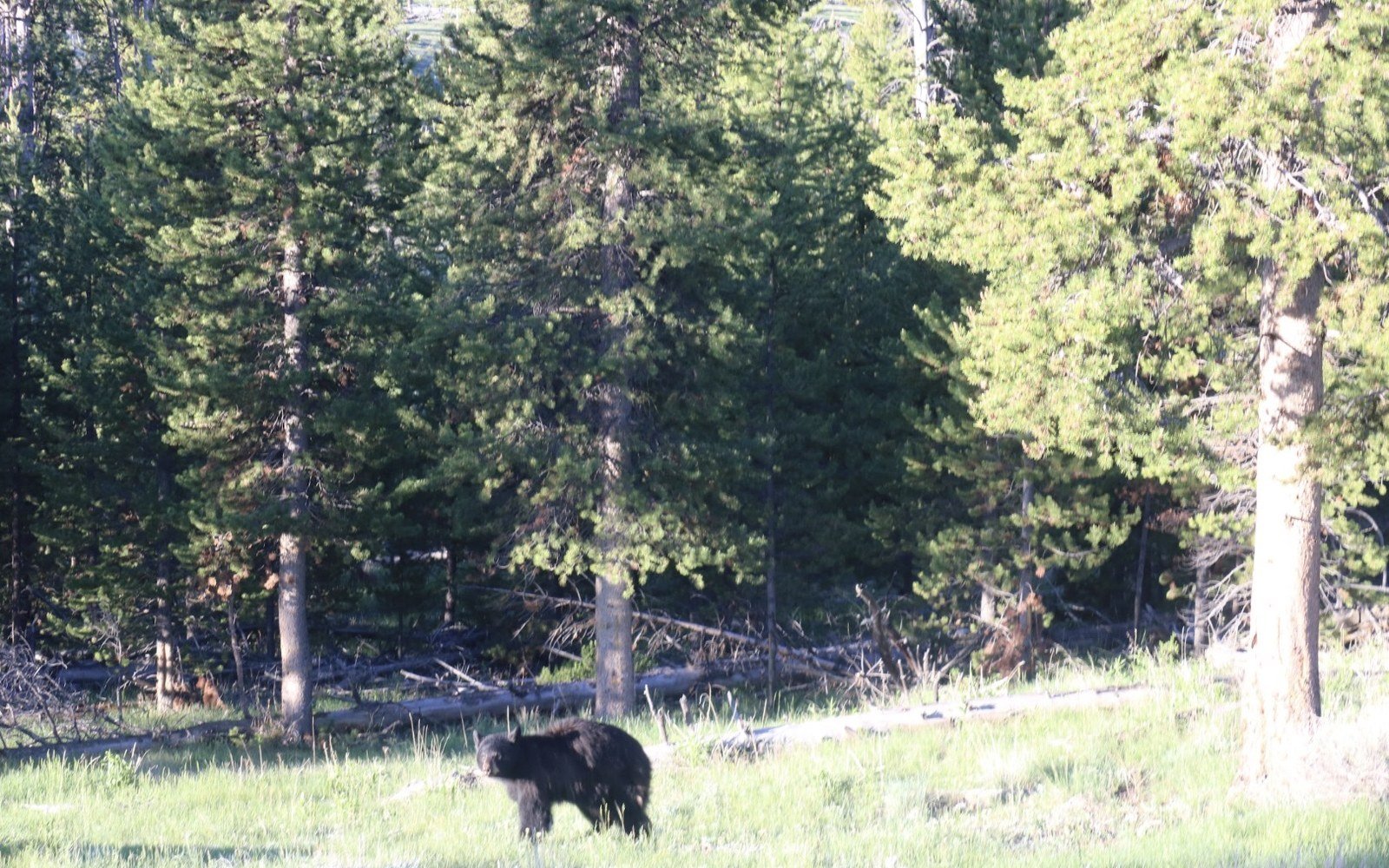
The state wildlife agency logged 6,129 bear reports by 13 August, almost double the same period last year and already past the whole of 2025. Drought removed about 90 per cent of what the animals eat.
Colorado Parks and Wildlife recorded 6,129 reports of bear sightings and conflicts between 1 January and 13 August this year. In the same period of 2025 it recorded 3,115, and across the whole of last year 5,299. By the end of August the count for the year had passed 7,000, ahead of the previous full year record set in 2019, the year the agency introduced its statewide digital reporting system. Six bear attacks have been recorded in the state.
The reason is food, or the absence of it. The driest winter in memory removed the plants, grasses, berries and nuts that make up around 90 per cent of a black bear's diet, and the state agency also points to low mountain snowpack, wildfires and a late freeze in May. Black bears enter a phase in late summer and autumn in which they can spend up to twenty hours a day eating to build the fat they need to get through the winter. This year the woods are empty and the towns are not.
It's like testing the bears in a way that they've never been tested before, and testing humans
Jon Beckmann, black bear expert
What it looks like on the ground
A roofer in Granby, a mountain town about 57 miles north west of Denver, came out of his bathroom this month to find two cubs the size of golden retrievers standing in his hallway. They stared at him and then left through the front door. The same young bears were seen in a vape shop in the town. Elsewhere bears have turned up near a school in Santa Fe and up a tree beside a farmers' market in Denver.
Colorado holds between 17,000 and 20,000 black bears, and its human population has more than doubled in fifty years, pushing housing into country the animals used to forage. Between 1.5 and 2 per cent of sightings end with the bear being put down, according to a spokesperson for the state agency, Jonathan Livingston, usually where it is judged dangerous because it has attacked someone or entered a house. He says that where people report a bear early, officials can generally frighten it off instead.
Clashes tend to start at a bin and can finish with a 200 to 400 pound animal carrying claws three to four inches long standing in somebody's kitchen. The agency's advice is bear resistant bins, no containers left out on the street for days, and no pet food or bird seed within reach.
The same summer across four states
New Mexico is the sharpest case. Officials and landowners there have killed 187 bears this year, the most since 2011, and the state agency has moved 35 adults and 16 cubs elsewhere. A man was killed by a bear in the state last week, the first fatal attack there in twenty five years. Utah has put down 39 animals in 2026, already a record for a full year. In Montana sightings are described by the state agency as too numerous to count, with grizzlies appearing in places they have not been seen for decades; 24 have died there this year, most after attacking livestock or people or being struck by vehicles. A man was killed by a grizzly in Glacier National Park in May. Fatal attacks across the region remain rare, at a handful each year.
The longer worry is behavioural rather than seasonal. With aridification across the western states expected to continue, specialists are concerned that bears will settle into a diet of human food and, if winters warm far enough and wild food stays scarce, stop hibernating at all. Black bears are currently the healthiest of the world's eight bear species, and populations have recovered in states such as Nevada where they were almost wiped out a century ago.
We can't even imagine what September and October are going to look like. It is going to be just Armageddon for us
Heather Reich, formerly bear manager for Nevada's wildlife agency
Her hope is that the animals find life among people stressful enough to go back to the hills once the drought eases. With the weight gain season only starting, she expects the encounters to rise first.