
UK Construction and Law
A discharged freezing order opens an inquiry into what it cost the party who was frozen
By Staff Writer | 31 August 2026
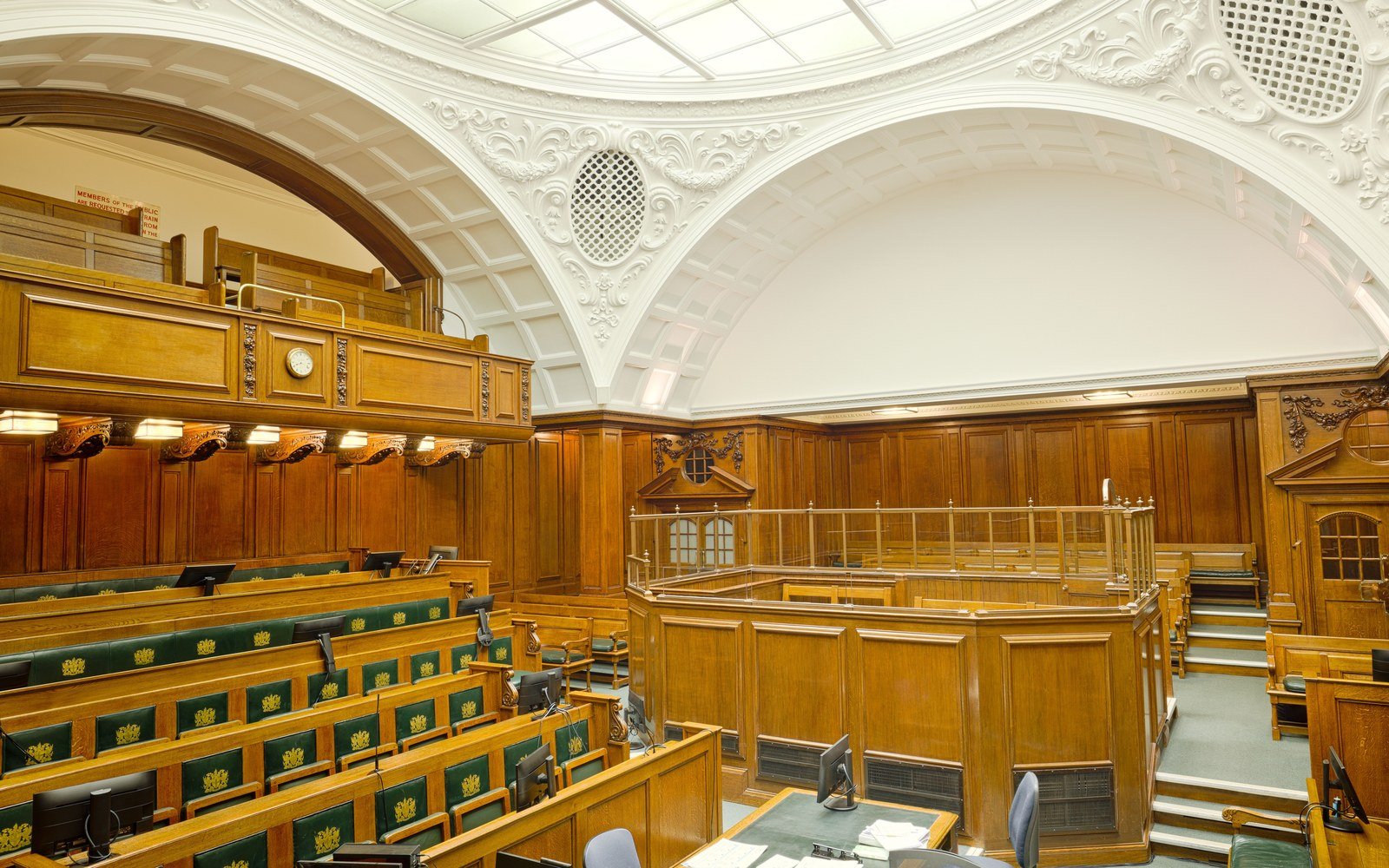
The Commercial Court gave permission to enforce a cross-undertaking in damages and ordered an inquiry into four heads of loss, including delay to a regulatory application, reputational harm and lost management time. The party that obtained the order tried to knock out the claim on the papers and was told that is not what the permission stage is for.
Anyone who obtains a freezing injunction gives the court a promise in return. It is short, it is buried in a schedule, and it reads that if the court later finds the order has caused the respondent loss and decides the respondent should be compensated, the applicant will comply with whatever order the court makes. A judgment of 28 August is a reminder of what that promise is worth when the order turns out to have been wrongly obtained.
The order in question was granted without notice in April 2025 and discharged two months later. The discharging judge found serious failures to give full and frank disclosure at the without notice hearing, held there was no good arguable case, found no evidence of a risk of dissipation, and said continuation would not be just or fair in any event. The claim that the order had supported was later abandoned altogether.
Two stages, and only the first was in play
An inquiry under a cross-undertaking runs in two stages. First, should the court as a matter of discretion order the undertaking to be enforced. Second, if it does, what loss was suffered, was it caused by the order, and was it too remote. This hearing was the first stage only.
The court set out the position bluntly. There is a strong rebuttable presumption in favour of enforcement, and the respondent can normally expect an inquiry virtually as of right. Permission will be given unless there are special circumstances, of which three are recognised: the respondent has behaved inequitably, circumstances have changed materially since the without notice hearing, or the court is satisfied no damages have been suffered. The burden of rebutting the presumption sits on the party who obtained the order.
Here that party ran the third category, arguing the losses claimed were not recoverable at all. The court accepted the analogy with summary judgment: the question was whether the respondent had a realistic prospect of establishing that the order had caused it loss, in the sense of more than merely arguable.
the Court must guard against a respondent seeking to use the 'no loss' category of special circumstances to turn the permission stage into a mini trial. It is a difficult task for a respondent to land a knockout initial blow by which even an inquiry is dispensed with
Mr Nigel Cooper KC, sitting as a Deputy High Court Judge
What can be claimed
The judgment records that there is no conceptual limit to the heads of loss recoverable under a cross-undertaking. Loss of a chance is available unless the chance is so speculative it must be disregarded. Damages at large are available, and cover upset, stress, loss of reputation, general loss of business opportunities and general business disruption. Lost management time is available as a head in its own right.
The four heads advanced were delay to an application to the regulator, reputational damage, business disruption including a drain on managerial time, and that application never being granted. The court declined to take them one by one and let some through, finding credible evidence to support each. Documents from November 2025 recording the regulator's own view that the injunction had materially delayed the application were enough at this stage, and the contrary documents were matters for cross-examination rather than proof of no loss.
Permission was granted on all four heads. The inquiry will be case managed and heard with the substantive claim and counterclaim, with directions to be given at a case management conference fixed for 9 September 2026.
Why a construction practitioner should read it
Freezing orders are not rare in this industry. They are sought against employers said to be stripping a project vehicle, against subcontractors moving retention money offshore, and in adjudication enforcement where the paying party fears the money will never come back. They are obtained without notice, at speed, on evidence assembled in days.
What this judgment sets out is the price of getting one wrong. The presumption runs against the party that obtained the order. The recoverable heads reach well beyond direct financial loss into management time, disruption and reputation. And the attempt to close the argument down on paper, before any evidence is tested, is the wrong move: a respondent has only to show credible evidence, and the applicant needs a knockout blow. The place to be careful is the disclosure made at the without notice hearing, because everything downstream follows from it.