
World News
933 hydropower workers are among the missing as the recorded death toll in Nepal reaches 903
By Staff Writer | 31 August 2026
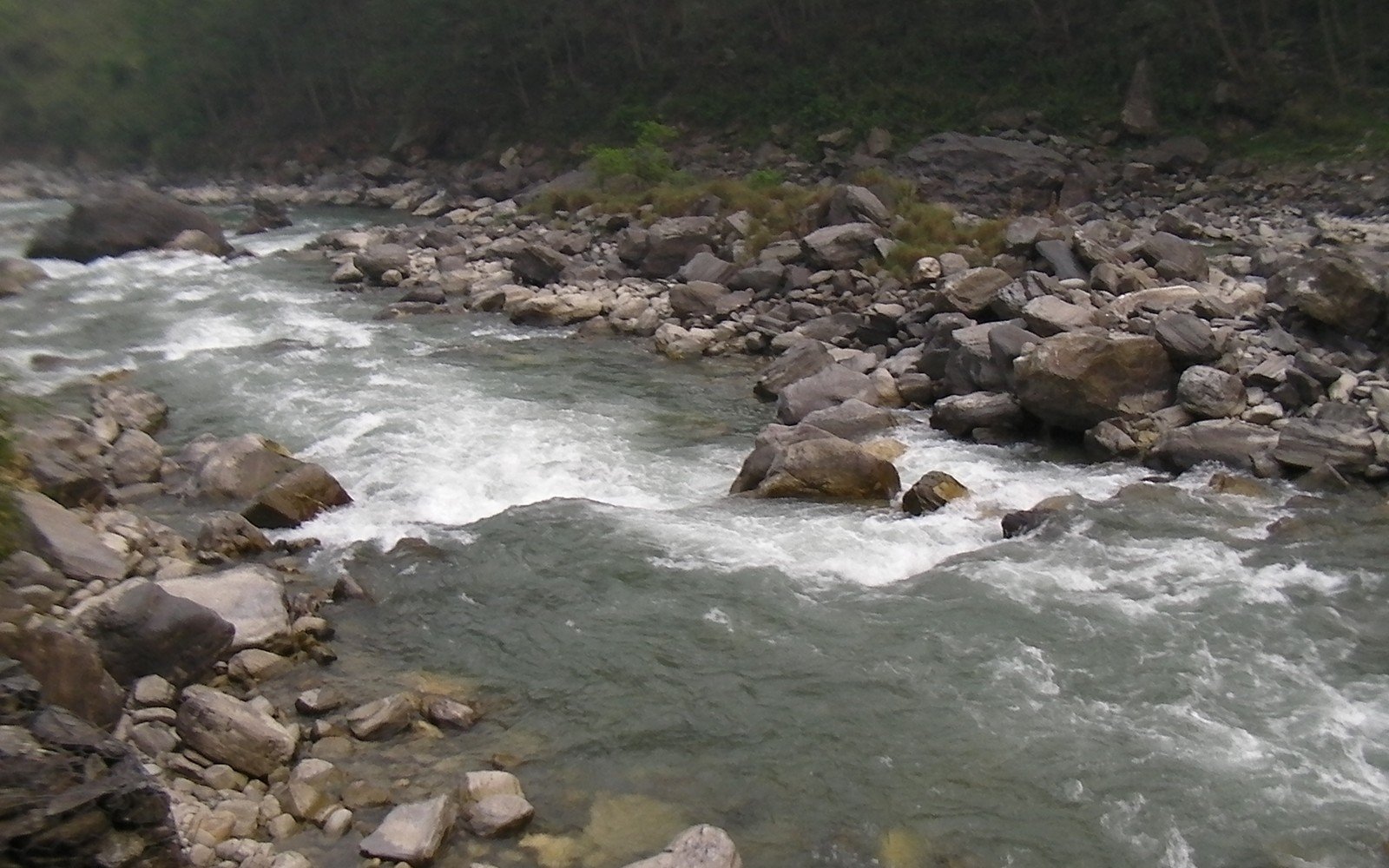
The disaster authority's Monday morning update puts 903 bodies recovered and 4,247 people unaccounted for, six days after a flood came down the Bhote Koshi. The search inside flooded tunnels at one 60 megawatt scheme is being run with drills, excavators and hydraulic cutters.
Nepal's National Disaster Risk Reduction and Management Authority issued its search, rescue and relief update at 9am on Monday and recorded 903 bodies recovered, including human remains, with about 4,247 people still unaccounted for. Bodies are being found hundreds of kilometres downstream of where the water arrived. Chitwan has recorded the most at 272, then Nawalparasi East at 207 and Nawalparasi West at 151, with Nuwakot at 95, Gorkha 62, Dhading 55, Tanahun 37 and Rasuwa 24.
Inside that total of the missing sit three groups that explain why this is a construction story as much as a flood one. There are 933 people attached to hydropower projects along the river. There are 592 foreign nationals, and a further 127 Nepalis who were accompanying them. And there are 83 members of the three security services, 45 from the army, 25 from the police and 13 from the armed police.
The 933 figure is the authority's. The power utility and the independent producers' association have their own count on their own basis, and it comes out at at least 897. Neither has been reconciled with the other and both are reported here as what they are, two bodies counting the same workforce from two sets of records.
The tunnel at Upper Trishuli 3A
The clearest picture of what a rescue inside a flooded headrace looks like comes from the Upper Trishuli 3A project in Nuwakot, a 60 megawatt scheme that entered commercial generation in 2019 and was under its scheduled annual overhaul when the water arrived. Between 30 and 40 people were working inside the underground powerhouse, among them technicians and engineers from the power utility and specialist teams hired in from other projects for the maintenance.
An army team worked for three days to locate the crown, the uppermost section of the tunnel, and reached it on Sunday afternoon using drilling machines, excavators and hydraulic cutters. Rescuers went in through the drilled opening. There was no response when they called.
After drilling a hole, we found that the water level extends high up inside a tunnel with a diameter of around seven metres
Rajaram Basnet, Nepali Army spokesperson
How many people are in there is not settled. Military officials put it at at least 35 following a technical assessment. The police figure is about 200. Work has moved on to bringing in larger equipment and widening the opening by blasting, which is slow and is being done above a body of standing water of unknown depth.
What is running, and at what scale
The authority has 20,819 personnel from the three services in the field, being 8,722 from the army, 7,894 from the police and 4,203 from the armed police. It reports 10,451 people rescued so far across 411 helicopter flights, with 267 injured of whom 156 have been discharged, and six specialised surgical teams sent to the worst affected areas. Unidentified bodies are being held at 21 hospitals.
To avoid duplication and make the operation smoother, the NDRRMA formed 12 teams to carry out the work. We have deployed all three security agencies, the Nepali Army, Nepal Police and the Armed Police Force, to search for and rescue the missing persons.
Dharmaraj Upreti, Chief Executive of the National Disaster Risk Reduction and Management Authority
Specialist help has arrived from both neighbours. A Chinese team came in on Saturday with thermal cameras, drilling equipment and air pumping devices for tunnels rescuers cannot yet reach, and is working at Hakubesi. An Indian air force team with specialised equipment and experts for the collection of genetic material is at Syafrubesi. Fifteen Chinese and seven Indian nationals were taken off a hydropower site on Sunday. Air has been pumped into one tunnel.
The figures on the missing will keep moving, and the district level counts already differ between the accounts available, which is why none of them appears above. What will not move is the shape of the problem the schemes along that river now face. A run of river plant sits in the one place a glacial flood is certain to go, its powerhouse is often underground, and its maintenance windows put the largest number of people inside it at the moment it is least able to run. Every one of those is a design and programme decision taken years before the water came.