
Middle East Business
Gulf infrastructure money moves to shared risk as a development bank takes the tranches commercial lenders will not price
By Staff Writer | 21 August 2026
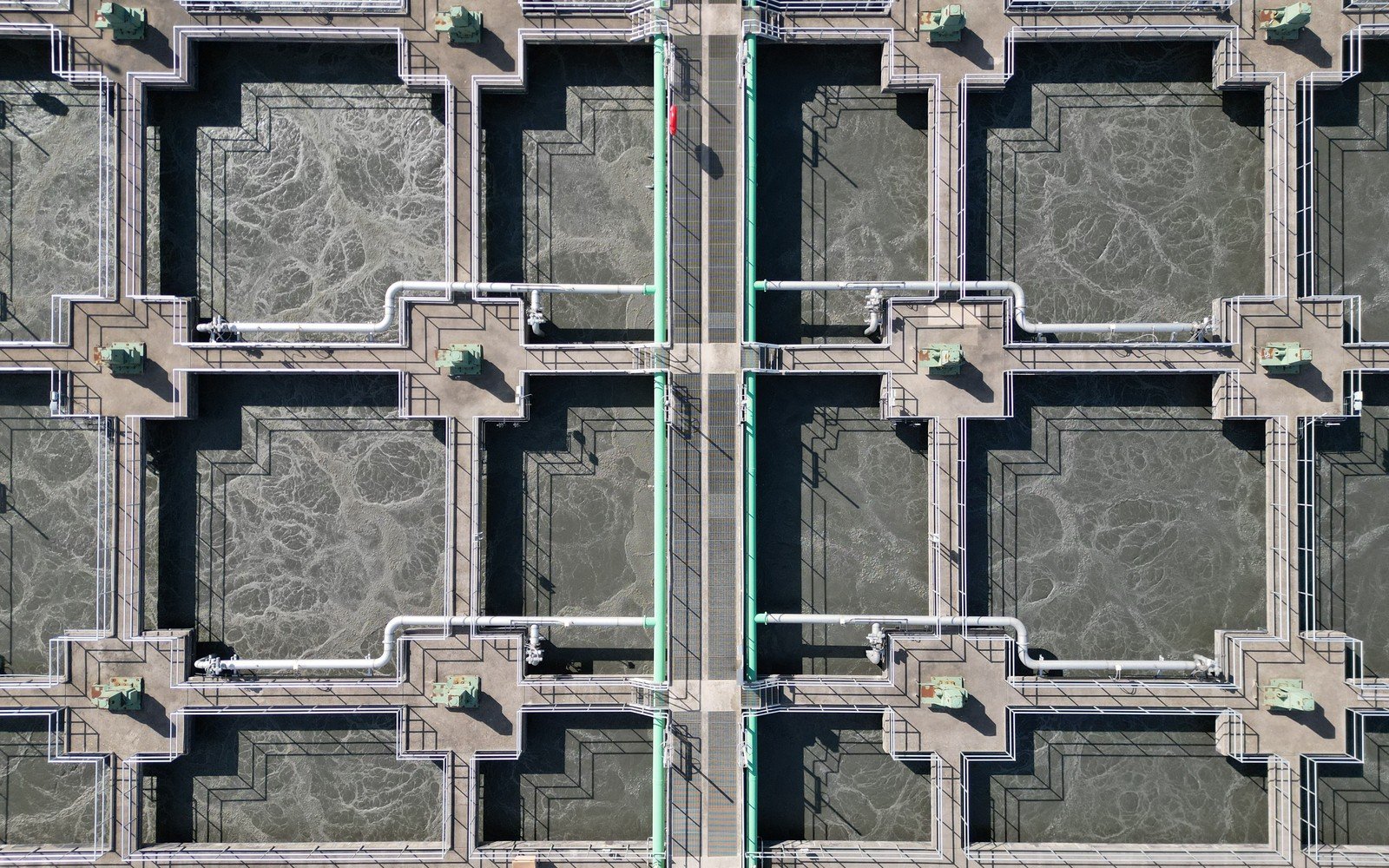
A multilateral lender has put 300 million dollars into rebuilding two desalination plants at Jubail and Khobar, and says the constraint on regional infrastructure is now the allocation of early stage construction and regulatory risk rather than the supply of projects.
Gulf states are changing the way large infrastructure is paid for, moving from programmes funded mainly out of budgets towards structures that spread risk across governments, development institutions, sovereign investors and commercial lenders. The position was set out in an interview published on 20 August 2026 by Saud Alsayyari, Senior Investment Officer for the Middle East and North Africa at the Asian Infrastructure Investment Bank, who said the region's fundamentals are strong and that the question is now how to structure risk and mobilise enough capital to deliver a pipeline, rather than how to find one.
The bank's own project record shows what that looks like in a single case. Its desalination rebuild and upgrades project with the Saudi Water Authority was approved on 27 March 2025 at 300 million dollars, on a non-sovereign backed basis, and part finances the rebuilding of two multi-stage flash facilities, Jubail 1 and Khobar 2. The stated objective is to raise the capacity of each facility, cut the power the plants draw and extend asset lives by at least a further 20 years. The project is categorised A under the bank's environmental and social policy, on account of brine discharge to the marine environment. Alsayyari said the financing was structured with the National Infrastructure Fund and commercial lenders. The published project record names no co-lender.
Our role as a multilateral development bank is to correct that risk allocation.
Saud Alsayyari, Senior Investment Officer for the Middle East and North Africa at the Asian Infrastructure Investment Bank
The risks private capital will not price
Alsayyari said infrastructure risk cannot be eliminated, only allocated, and that trouble starts when investors are asked to carry risks they cannot easily price. He named three of them: regulatory uncertainty, early stage construction risk, and revenue models without a clear track record. The instruments he described against those are non-sovereign financing, which keeps the exposure off the public balance sheet, guarantees, and first loss structures intended to make commercial tranches acceptable to institutional buyers.
Early stage construction risk is not an abstraction on site. It is ground conditions, the interface with an operating asset that cannot be taken out of service, and a completion date. A first loss tranche decides who absorbs the money when that risk materialises. It does not decide who carries the obligation, and that is settled in the construction contract, which is drafted long before the financing closes.
Four conditions, and two of them are drafting questions
Alsayyari set out four conditions for drawing pension funds and insurers into the asset class: stable legal and regulatory frameworks, including clear public-private partnership rules; standardised project documents, procurement processes and structures; instruments that improve a project's credit standing; and reliable environmental, social and governance performance. Two of those four are questions of documentation rather than of policy. Standardised project documents cut the cost of assessing a deal, and they narrow the room a contractor has to negotiate the allocation of the same three risks named above.
That is the model: multilateral development institutions turn ambition into bankable projects through disciplined preparation, blended finance and credit enhancement.
Saud Alsayyari, Senior Investment Officer for the Middle East and North Africa at the Asian Infrastructure Investment Bank
The bank has taken this route in the region before. It approved 60 million dollars in 2020 for the Ibri II 500 MW solar plant in Oman, its first non-sovereign backed financing in that country's renewable energy sector and about 15 per cent of a project cost of roughly 400 million dollars. In 2022 it approved an investment in Rakiza Fund I, which targets brownfield and greenfield infrastructure across telecommunications and digital, transport, renewable energy, waste management, regulated utilities, social infrastructure and logistics, with a stated pipeline of ten to fifteen subprojects.
The bank's eleventh annual meeting will be held in Doha on 28 and 29 September 2026. What has not been published is the pipeline itself. The investment programme Alsayyari said is being developed with the Kingdom carries no stated size, no list of assets and no dates, so the shift he describes is visible for the moment in the refinancing of plant that already exists and not yet in the procurement of what does not.