
Middle East Business
Abu Dhabi regulator puts 89 per cent of first-half sales value in homes not yet built
By Staff Writer | 19 August 2026
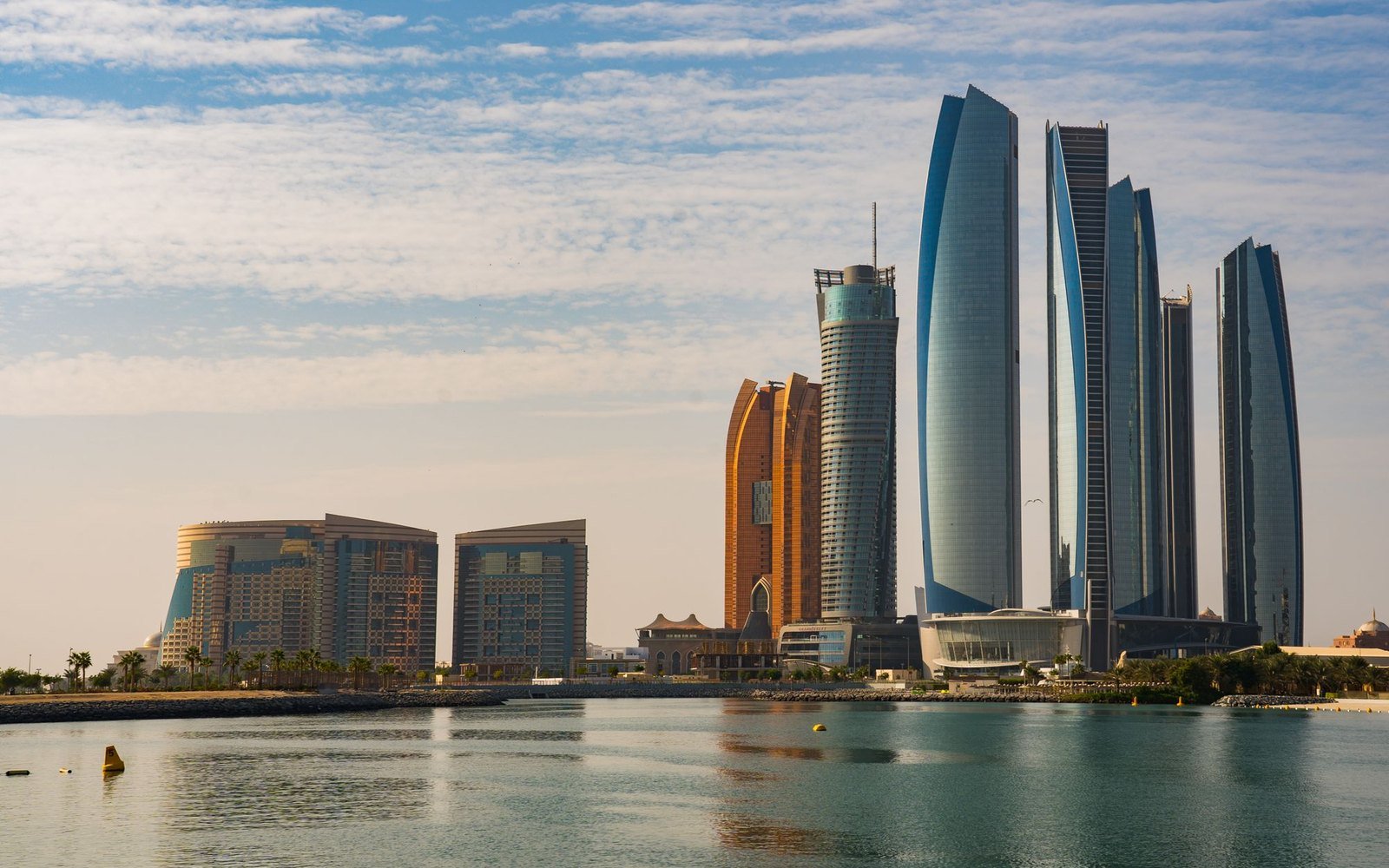
The emirate's real estate regulator has published its half-year market report on registered transactions, recording AED 70.4 billion of residential unit sales, off-plan deals at 89 per cent of that value, and about 71,000 further units projected by 2030.
The Abu Dhabi Real Estate Centre, the regulator of the emirate's property sector and an affiliate of the Department of Municipalities and Transport, published its market report for the first half of 2026 on 18 August. The report is built from sales, lease and mortgage transactions actually registered in the period rather than from asking prices or listings, and it is issued twice a year.
Residential unit sales reached AED 70.4 billion, against AED 25.3 billion in the first half of 2025. Off-plan transactions accounted for 89 per cent of that value and 82 per cent of the deals. In the ready market, 61 per cent of purchases were completed in cash. Repeat sales prices rose 20 per cent year on year for apartments and 12 per cent for villas.
The largest share of residential sales value went to homes not yet built, which places the weight of our regulatory work before completion.
Rashed Al Omaira, Director General of the Abu Dhabi Real Estate Centre
Where the pipeline sits
Residential supply reached approximately 409,000 units, an average annual increase of 2.9 per cent since 2022. Abu Dhabi Region drove that expansion at an annual average of 3.3 per cent and now holds 79 per cent of the emirate's residential stock. Around 71,000 additional units are projected across the emirate by 2030, with deliveries expected to peak at approximately 21,800 units in 2028.
Development projects are estimated to account for 77 per cent of Abu Dhabi Region supply growth between the second half of 2026 and 2030, against 23 per cent from building permits. Six districts will drive that 77 per cent: Al Saadiyat Island, Al Reem Island, Yas Island, Zayed City, Khalifa City and Al Hudayriyat Island.
Nine developers account for 76 per cent of the development projects pipeline. In the first half, ten developers took 90 per cent of off-plan primary sales at AED 51 billion, and ten projects took 43 per cent of residential unit sales at AED 30 billion. Hudayriyat Island recorded AED 19 billion of residential sales value, or 27 per cent of the total, followed by Saadiyat Island at AED 13.3 billion, Al Reem Island and Al Maryah Island together at AED 10.5 billion, and Yas Island at AED 7.3 billion.
Why the off-plan share matters to a contractor
A market in which 89 per cent of residential sales value is committed before completion is a market whose construction risk sits with the buyer's money. That has two practical consequences for anyone pricing or administering work in the emirate. The first is programme. Where sales precede delivery, handover dates are sold to buyers before the contract is let, so the completion obligation reaching a main contractor has usually been fixed by a marketing commitment made earlier and elsewhere. Extension of time provisions are read in that light.
The second is payment. Off-plan proceeds are held under escrow rules and released against progress, so certification further up the chain governs cash reaching subcontractors two tiers down. A concentration in which nine developers hold three quarters of the pipeline narrows the number of payment regimes a supply chain has to work with, which cuts both ways: fewer forms to price against, and less room to absorb a single account going slow.
Retail supply reached 3.85 million square metres of gross leasable area, growing 5 per cent on an annualised basis, with occupancy in the mid nineties and new lease prices up 9 per cent. Office supply reached 3.4 million square metres, up 0.3 per cent from the end of 2025, with occupancy at 95 per cent across both the overall market and the prime and Grade A segments, and new lease prices up 13 per cent.
On the rented side, the emirate recorded 233,000 active residential lease contracts with a total value of AED 9.3 billion, up 8 per cent year on year against contract volumes up 2 per cent. Rental units make up 69 per cent of occupied units in Abu Dhabi Region.
What to watch
The number that will move first is the 2028 delivery peak of about 21,800 units. Packages for a peak in that year are tendered from now, so procurement volume should be read off the projection rather than off completions. The report states that all findings derive from registered transaction data under a stated methodology covering price range validation, transaction filtering and geographic stratification, so the figures record what was registered rather than estimate what was agreed.