
World News
Trump says no talks are scheduled with Iran as Tehran keeps the Strait of Hormuz shut
By Staff Writer | 19 August 2026
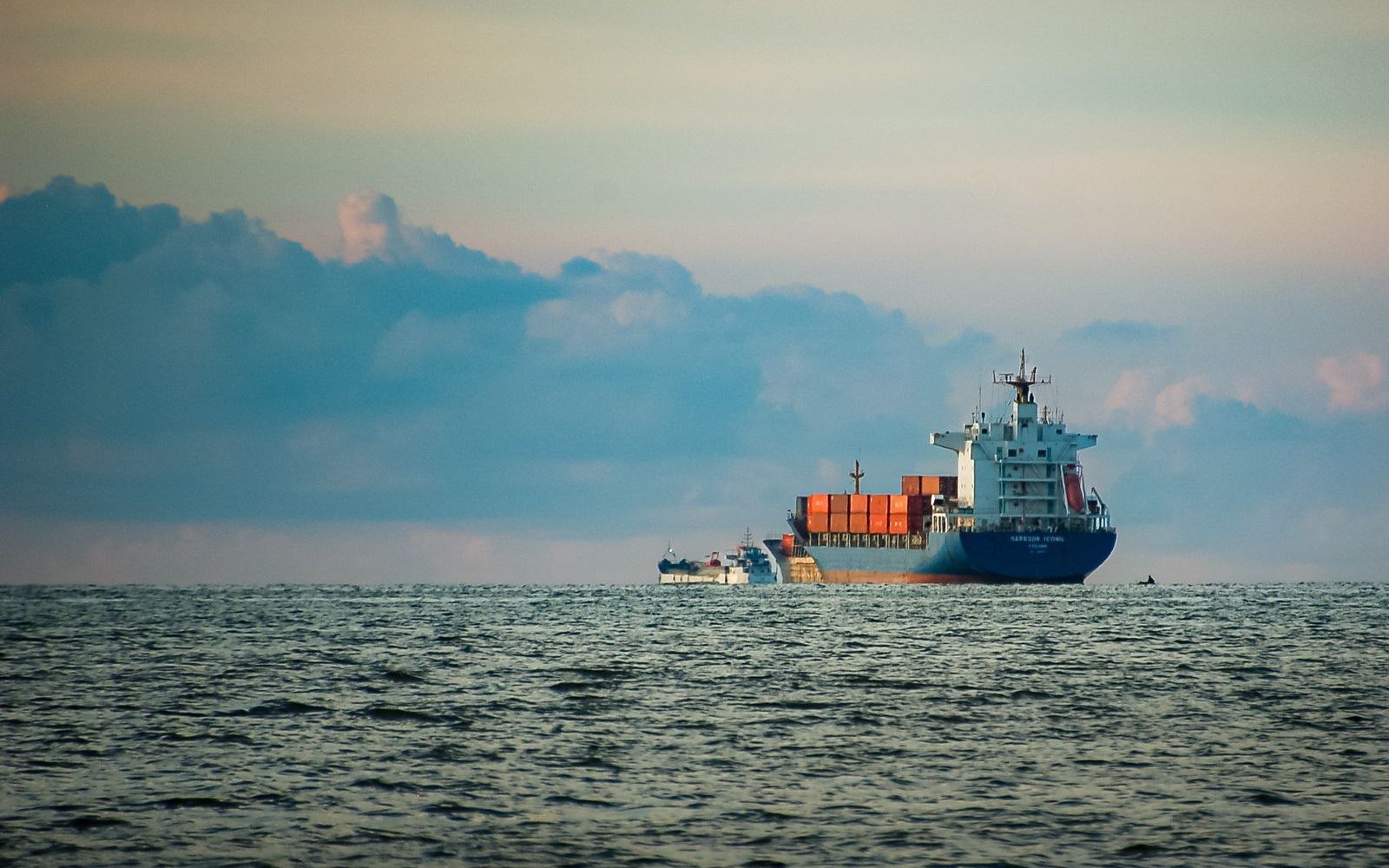
The sixty day window agreed in June lapsed on Monday without a settlement. The United States president said on Tuesday that nothing is being discussed and that the strait is open, while Iran's chief negotiator told parliament it stays closed until four conditions are met.
The two governments now disagree in public about whether the Strait of Hormuz is open. On Tuesday the United States president said that no talks were taking place with Iran and none were scheduled, and that the waterway was working normally. Tehran said the opposite on the same day. For anyone moving plant, steel or fuel through the Gulf, the second account is the one the shipping counts support.
There are no talks or conversations going on, or scheduled, with Iran
Donald Trump, President of the United States
A memorandum of understanding signed on 17 June set a sixty day period for a wider settlement covering Iran's nuclear programme and United States sanctions. That period ran out on Monday and the president said he had no plans to extend it. The June document had declared the immediate and permanent termination of military operations on all fronts, and it came apart within weeks over who controls the strait.
Four conditions, stated to parliament
Iran's chief negotiator, Mohammad Baqer Qalibaf, told the Iranian parliament that the strait would stay shut until the United States met the conditions of the June deal. He named four: lifting the blockade of Iranian ports, lifting oil sanctions, releasing Iranian assets held abroad, and ending threats and military operations on all fronts. His remarks were published by Iranian state media and are recorded here as the position he stated, not as an account of what will happen.
Mohammad Mokhber, an adviser to Iran's supreme leader, said on the same day that Iran remained open to dialogue with the United States but did not confuse negotiation with surrender, and that pressure and sanctions would not change its position. On Monday the United States special envoy, Jared Kushner, had said talks were still running and were in better health than at any earlier point. The three accounts were given within a day of each other.
What the water says
The Naval Blockade remains in full force and effect. The Hormuz Strait is open and operating. All water mines have been removed or detonated
Donald Trump, President of the United States
Preliminary movement data for Monday put ship crossings of the strait in single figures. Before the war about a fifth of the world's seaborne oil and liquefied natural gas passed through it. Separately, a maritime reporting body said on Tuesday that it had received a report of a vessel struck by an unidentified projectile while transiting outbound, causing damage to the engine room and one casualty among the crew. The remaining crew were being assisted by the Omani coastguard.
A strait that is legally open and commercially unusable produces the same result on a programme as one that is closed. Charterers price the risk, not the statement.
The United Arab Emirates reported a further incident on Tuesday evening. Its Ministry of Defence said air defences had detected two ballistic missiles launched from Iran towards the country, the first falling outside UAE territorial waters and the second within them, and said assessments indicated the missiles were aimed at maritime navigation. A brief telephone alert went to residents in Dubai and Sharjah and was lifted shortly afterwards. The ministry said it remained on high alert. It was the first such alert in the country since 12 July.
The price of it
Brent crude has run at a level the market has not held for years. It reached 126 dollars a barrel at the peak of the conflict, roughly 75 per cent above the pre-war level, and settled up 20 cents on Tuesday at just over 91 dollars. Borrowing costs for several major economies reached multi-decade highs on the same day. In the United States, petrol has gone above 4 dollars a gallon from under 3 dollars before the war.
The conflict began on 28 February with United States and Israeli strikes on Iran. Thousands have been killed, mostly in Iran and in Lebanon, and Iran has struck targets in Oman, Jordan, Kuwait, Israel, the United Arab Emirates and Saudi Arabia.
For a contractor with Gulf exposure the practical question has not changed since June, and it is not whether the strait is described as open. It is whether the vessel carrying your equipment can get war risk cover this week, at what rate, and what your contract says about who carries the delay when it cannot. Six months in, that clause is doing more work than any of the announcements.