
Middle East Business
Emirati port operator delivers first three harbour cranes under 800 million dollar Tartous programme
By Staff Writer | 18 August 2026
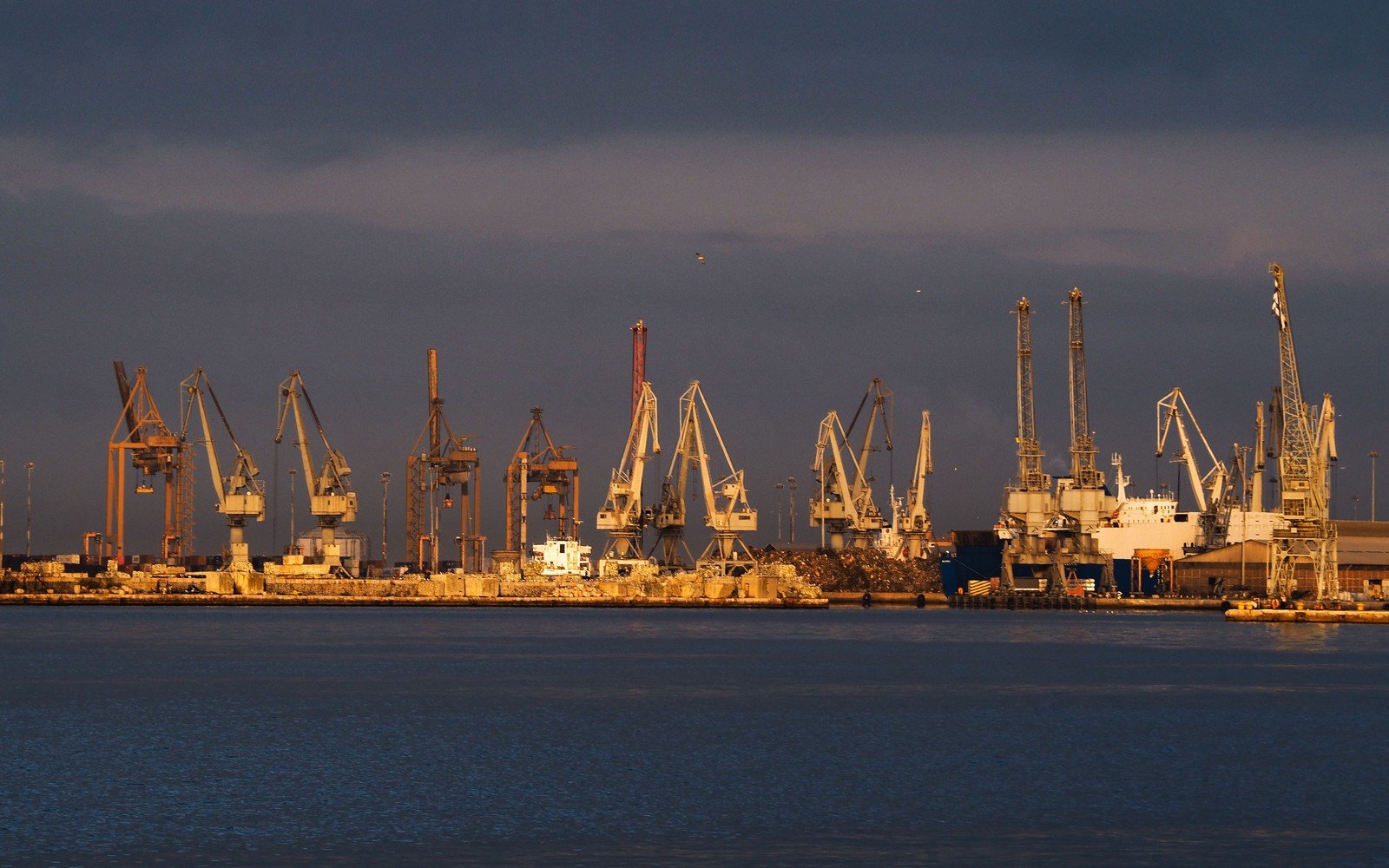
DP World has completed delivery of three mobile harbour cranes at the Port of Tartous under a 30 year concession, with dredging, quay wall refurbishment and a further ten cranes scheduled through to 2028.
DP World has completed the delivery of three mobile harbour cranes at the Port of Tartous, the first equipment milestone under an 800 million dollar investment programme at the Mediterranean port. The three machines are expected to raise cargo handling capacity by approximately 40 per cent, and to shorten vessel turnaround across containerised, bulk and breakbulk traffic. The delivery was announced on 17 August.
The cranes sit inside a 30 year concession to develop and operate the port. The operator has set out the works that follow: forklift trucks and reach stackers later this year, nine further light duty mobile harbour cranes during 2027 and early 2028, and a new quay crane scheduled for delivery in 2028.
This milestone represents much more than the delivery of new equipment. It reflects our long-term commitment to supporting Syria's economic recovery by rebuilding critical trade infrastructure. A modern port reduces the cost of doing business, attracts investment and creates skilled jobs.
Fahad Al Banna, Chief Executive Officer of DP World Tartous
Civil works follow the equipment
Two civil packages are now named with dates against them. Dredging to deepen the harbour, so that larger vessels can be accommodated, is to commence shortly. Refurbishment of the port's quay walls is expected to be completed by the end of 2027. Both are ordinary marine civils, and both carry the risk profile that goes with them: unknown ground and seabed conditions in the first, and unknown existing structure in the second.
Quay wall refurbishment to a fixed completion date of end 2027, running alongside a live operating port and a phased crane delivery programme, is a sequencing problem before it is an engineering one.
Where the delay risk sits
A programme of this shape puts three sets of works on the same quay at once. Equipment deliveries arrive to their own manufacturing and shipping dates. The dredging campaign depends on plant availability and on what the survey finds. The quay wall works depend on what is behind the existing facing, which nobody knows until it is opened up. Each of the three can disrupt the other two, and access to the berth is the resource all three compete for.
Where a concession sets out phased dates in public, those dates tend to find their way into subcontracts as fixed milestones. A contractor asked to accept them should be looking at what happens when the operator's own equipment programme moves, because a crane arriving early can be as disruptive to a quay wall gang as one arriving late.
The wider position
The operator describes the port as a gateway connecting to Iraq, Jordan, Lebanon and Turkiye, and to trade across the eastern Mediterranean, the Gulf, Europe and North Africa. That is the commercial case for the spend. For anyone pricing work, the point to take from the announcement is narrower and more useful: the investment programme has now moved from commitment into delivery, and the civils have dates attached.